
What Is Crypto Currency for Beginners
When you ask me to explain cryptocurrency to me , I keep it simple. Crypto currency for beginners is digital money that lives on computers. No paper bills. No metal coins. You can send it to someone far away without a bank in the middle. The point: pay online or hold value without a third party looking over your shoulder.
The word crypto comes from cryptography - the math that keeps trades safe. Satoshi Nakamoto first wrote the idea because they worried normal money relied too much on banks and governments. The plan: let people trade direct, person to person. That’s a big shift from dollars or euros today.
This money runs on a shared record called blockchain. Some call it a step-by-step system, not a gamble. But plain truth: it can swing hard in value. Learn before you put in cash. Crypto currency for beginners means starting small and asking good questions. A coin may or may not be real money depending on how many shops take it. My test: can I actually buy a snack with it?
Most coins have no physical form. They exist as lines in a public ledger. That ledger is open for anyone to read. No central boss - that’s why some love it and some fear it. Know both sides before you dive in.
How the Blockchain Works
Let me explain the blockchain like a public notebook. Every time someone sends coins, that move gets written down. The notebook is copied to many computers. If one copy lies, the others reject it. That keeps things honest without a boss. Each page is a block, and pages link in order.
New trades are bundled into a block. Each block links to the one before it with a code. To add a block, miners use computers to solve hard math - proof of work. It takes power and time, but makes the chain tough to hack. To change an old block, you’d need to rewrite every block after it on most machines at once. That’s why I feel safe about the record itself.
Main parts of blockchain
- Shared ledger copied across many machines
- Blocks that hold batches of trades
- Miners who check and seal blocks
- Links between blocks that stop edits
- Open view so anyone can read history
Because the chain is open, anyone can read it. That’s why some say it’s clear and fair. But it’s not perfect. Energy use is high, and mistakes can cost you. Still, the base idea is easy: a blockchain is a database that says no to changes after the fact.
Think of it as a town book where every person has a copy. When you pay me, all copies write it down. No single clerk can erase it. That’s the heart of crypto currency for beginners - and why banks aren’t needed for record keeping.
Kinds of Coins and Tokens
There are thousands of digital coins. Bitcoin was first. All others are altcoins. Some have their own chain; some ride another chain as tokens. A token doesn’t have its own blockchain - it borrows one. Example: many small projects use Ethereum and are called ERC-20 tokens.
Common coin types
- Bitcoin, the original and most known
- Ethereum, which runs smart contracts
- Litecoin, made for faster trades
- Stablecoins and DeFi projects like UniSwap
- Privacy coins like Monero for anonymous use
Some coins focus on private use, like Monero. Others track supply chains, like VeChain. The label crypto currency for beginners can be misleading because many projects aren’t really money. They’re tools or apps. I pick the ones I understand. A coin may be currency, a platform ticket, or a vote in a game. Read what it does before you buy.
Altcoins = alternative coins. They offer twists on Bitcoin’s plan. Ripple aims for speed; Litecoin for quick small payments. Tokens like Chainlink add data feeds to chains. The space is wide - take your time to learn the map.
Bitcoin for Beginners
Bitcoin launched in 2009. Hard limit: 21 million coins. That scarcity is why folks call it digital gold. For many, it’s the best cryptocurrency for beginners - widely known and easy to buy. Code is open for all to see. No single owner controls it.
Price has swung hard over the years. Halvings - which cut new coin supply about every four years - happened in 2012, 2016, 2020. Those are facts written in code. The cap can’t change unless most users agree, which is rare. I like clear rules that set limits you can count on.
Bitcoin is often regarded as digital gold.
You can store Bitcoin in a wallet and send it to another address. Exchanges let you buy with dollars. But watch: value can drop fast. Never put in more than you can lose. Historically, one coin went from near nothing to tens of thousands, then fell by more than half. That’s the ride you sign up for.
Many big payment networks say they’ll accept crypto payments soon. That suggests Bitcoin may become a normal option at shops. Still, today most treat it as a store of value, not daily cash. I keep that in mind when deciding how much to hold.
Ethereum and Litecoin
Ethereum launched in 2015 from Vitalik Buterin. It’s more than a coin - it’s a platform. Its coin is Ether. People build apps (DApps) on it. Smart contracts run themselves when conditions are met. Neat, but complex for fresh users. The network lets folks lend, borrow, trade without a bank.
Litecoin started in 2011 by Charlie Lee. A lighter Bitcoin. Trades confirm four times faster. Uses a mining method normal computers can handle. Some call it digital silver. Both show the range in crypto currency for beginners - from slow and scarce to quick and handy.
Quick compare
- Bitcoin: slow but widely accepted
- Ethereum: programmable and flexible
- Litecoin: fast and low cost
- All three use public blockchains
- Ethereum moved to proof of stake to save energy
Ethereum’s code lets developers write deals that execute themselves. No middleman to enforce a bet or sale. Litecoin’s low fee makes it good for small buys. Both are useful steps beyond the first coin.
Hot and Cold Wallets
A wallet doesn’t hold coins like a pocket. It holds keys to find your coins on the chain. Two main kinds. Hot wallets stay online. Cold wallets stay offline on a device or paper. Public key is like your email; private key is your password. Never give out the private key.
Hot wallets are easy. Trade from phone. But more hack risk. Cold wallets safe from remote thieves - yet if you lose the device with no backup, money’s gone. I lean cold for savings, hot for small spends. Both need care.
Wallet good and bad
- Hot: convenient but more open to attacks
- Cold: safe offline but slower to use
- Both need private keys kept secret
- Seed phrase can restore access if saved
- Hardware wallets cost money up front
When you set up a wallet, you get a seed phrase of 12–24 words. Write it on paper, hide it. If your phone dies, those words bring coins back. Can’t stress this enough: lose the phrase, lose the money forever. Don’t skip this part.
Set Up Your Account and Wallet
To trade, you first need how to set up a cryptocurrency account on an exchange like Coinbase or Binance. Sign up, prove who you are, add dollars. The site may give a custodial wallet where they hold keys. Fine to start - but know they control it.
For self-control, get your own wallet. Download a hot wallet app or buy a cold device from maker direct. Write seed phrase on paper. Never share private key - it’s your password, guard it. Avoid third-party resellers for hardware in case box was tampered.
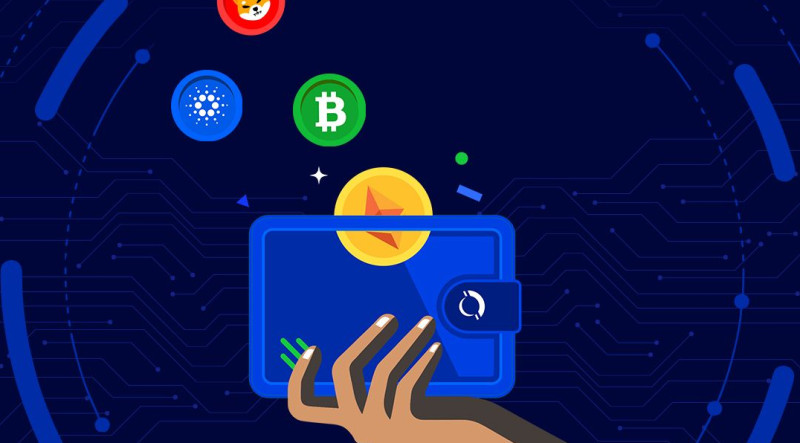
Crypto wallets need to locate the crypto associated with your address in the blockchain.
If you wonder what do i need to buy crypto , answer: phone, ID, some cash to start. No bank visit. Pick a trusted app, learn the buttons before big moves. Custodial exchange account is quickest start; move coins to your own wallet later.
Setup takes minutes. For hot wallets, confirm app is real before download. For cold, install brand software from their site. Transfer a small amount first to test. I always send a tiny bit before moving savings.
Steps to Trade and Invest
Many ask me how to get started investing in crypto . I say take it slow. Learn how to start crypto investment by reading basics first. The easiest way to invest in crypto is a well-known exchange app where you link a card or bank.
Four steps to trade
- Choose a reliable exchange with good reviews
- Pick a coin like Bitcoin or Ethereum
- Make a plan such as hold or small buys
- Buy, then store coins in a safe wallet
- Start with a little cash you can afford to lose
You also need to know how to invest cryptocurrency without losing your head. Use limit orders for control. Don’t chase hype. Skip any free crypto coin giveaway that asks for your key - that’s a scam, plain and simple. Real giveaways don’t need private info.
Two main trade styles. One: buy and sell at spot price. Other: derivatives where you bet on price without owning coins. Beginners stick to spot. Crypto currency for beginners is about building know-how, not getting rich quick. I suggest dollar-cost averaging: buy a fixed sum weekly or monthly to smooth bumps.
After buy, leave coins on exchange for quick trades or move to self-custody. Cold storage safer for long hold. Either way, track your keys and tax duties - many places tax gains.
What Moves the Market
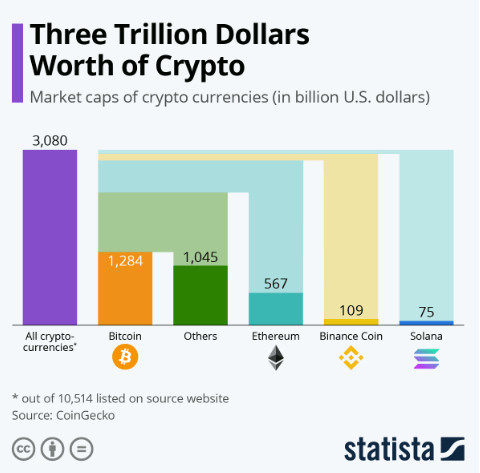
Prices bounce wild. Supply and demand rule. Many want, few sell → price climbs. News pushes too. Hack report drops trust fast. Total market cap shows size of whole space, hints at stability.
Key market movers
- Supply limit and demand from buyers
- News and media coverage
- Regulation changes or big partnerships
- Total market cap size and health
- Whales selling large amounts
Cryptocurrencies are also speculative assets, which are riskier due to large fluctuations in price.
Unlike stocks, crypto runs all day every day. Trade at midnight. But lack of rule means less protection. I sleep better with small positions. Historically, Bitcoin dropped from peak to less than half within months. Normal here, sadly.
FOMO (fear of missing out) pushes people to buy at top. FUD (fear, uncertainty, doubt) pushes them to sell low. Learn these words, keep a clear head. Market is open, but your brain stays switched on.
Key Terms to Know
New words pop up fast. HODL = hold on for dear life. DeFi = decentralized finance without banks. NFT = unique item on chain. Whales = big holders. Gas fees = cost to process trades. Rug pull = scam where makers vanish with funds.
Beginner glossary
- Blockchain: shared record of trades
- Wallet: tool to store keys not coins
- Altcoin: any coin besides Bitcoin
- Proof of Stake: random pick to verify
- HODL: hold through ups and downs
- DeFi: bank free financial apps

Learning these helps you not feel lost. The phrase crypto currency for beginners covers all this ground. Take your time with terms, trade with more calm. Slang like rekt (wrecked) or mooning (price soaring) describes wild market mood.
A token isn’t a coin if it lacks its own chain. Proof of work uses miners with fast gear. Proof of stake picks validators by coins they lock up. Knowing difference helps pick greener options. I prefer networks that cut energy waste.
Staying Safe Out There
No government backs these coins. Lose your key, money’s gone. Scams like rug pulls happen when makers vanish with funds. Always check team and code. Use known exchanges and wallets from official sites.
A decline in value or a complete loss are possible at any time.
I keep most savings in cold storage. Never trust a link promising double coins. Safety is boring but keeps you in game. Crypto currency for beginners must include this warning: don’t skip this part. Hackers target hot wallets and fake apps - check source every time.
Rules around crypto still thin in many places. Little help if scam hits. Some neobank apps now let you trade, but new. I treat every new project guilty until proven safe by time and use.
Why Folks Like Crypto
Some like low fees. Banks take cuts; crypto can be cheaper. Trades finish in minutes any day. Others like no single state controls it. Yes, some hope for big gains. Open ledger means anyone can verify - builds trust in math if not price.
Reasons for popularity
- Fewer fees than normal banks
- Fast and open all hours
- Security from blockchain math
- Freedom from government control
- Chance to learn a new money system
For me, draw is learning a new system. Crypto currency for beginners is a path to understand money without middlemen. I’m still learning, that’s fine. Take step by step, you’ll be okay. Some use it to send money across borders without high costs - real win for families far apart.
Space will likely keep growing as more apps tie in. But base idea stays: you hold your own money keys. That’s both power and duty. I like the power, respect the duty.












Comments on “Crypto Currency for Beginners: A Step-by-Step System for Getting Started”
No comments yet. Be the first to share your thoughts.