
What a Crypto Staking Site Is
A crypto staking site lets you put idle tokens to work. You lock them up to help secure a blockchain. You don’t need to be a technical expert to grasp this. The site handles the lockup, clarifies the validator’s role, and points out the risks you should know before jumping in.
When you use a crypto staking site, you’re taking part in a system called Proof of Stake. The site may run the validator software for you or let you delegate your coins to someone else. Either way, a crypto staking site connects you to the staking process without making you build everything from scratch. That’s a neat way to put your coins to work instead of letting them sit cold in a wallet.
This kind of site is not a bank. It doesn’t lend your money out. It simply facilitates the lockup the blockchain requires. The short version: you lock coins to secure a network and collect rewards. My take - anyone curious about crypto should understand this before buying a single token to hold.
Where Staking Came From
The staking idea showed up in 2012. Sunny King and Scott Nadal wrote about Proof of Stake as a fix for Bitcoin mining’s energy problem. Then in 2013, King launched Peercoin - the first coin to use staking to validate transactions on its blockchain. That’s a bit of history I mention when friends ask about this space. Staking grew a lot after Ethereum switched to Proof of Stake in its big upgrade.
That switch showed a crypto staking site could serve many users at once. Before, staking was niche. After the merge, ETH became the largest staked asset by far - hundreds of billions in market value. Staking scales the security and growth of PoS blockchains. It gives experts and beginners a chance to earn. I like that the barrier dropped for normal folks.

Staking means you commit crypto to support the blockchain. In return, you may earn rewards. The PoS model pays people to join, pulling more folks into crypto. A crypto staking site makes that join step easier - it wraps the tech in a simple interface and clarifies the validator’s role so you know who’s doing the heavy lifting.
Early papers called staking a novel opportunity to earn rewards. I’d say it still is - with clear limits. The long description notes you don’t need to be a technical expert to grasp it. That matches my read. You just lock tokens and understand the basic trade-offs.
Proof of Stake vs Proof of Work
Both PoS and PoW secure blockchain transactions without a bank in the middle. They just do it differently. In PoS, validators lock crypto in a smart contract and get picked at random to make new blocks. In PoW, miners solve hard puzzles to win the right to validate. Bitcoin uses PoW. Ethereum now uses PoS.
I find PoS simpler to grasp - you aren’t burning power with machines. Validators risk their own staked coins if they act badly, which adds safety. That’s why a crypto staking site feels less like a race and more like a lockup with a prize at the end. The validator who adds a block earns new coins plus transaction fees.
In PoW, the miner who solves the puzzle first broadcasts the block and gets paid. It works, but uses massive energy. PoS flips that - economic stake becomes the shield. A crypto staking site will usually show you which model a coin uses before you stake. My advice: stick with PoS coins if you want lower power and simpler steps.
Validators and Delegators
There are two main roles in staking. Validators are node operators who verify transactions and build new blocks. They must stake a chunk of their own crypto as collateral. Cheat, and they lose some of that stake through a penalty called slashing. Ethereum asks for at least 32 ETH to be a solo validator - a high bar for small holders.
Delegators are the rest of us. We lock a smaller amount and hand it to a validator. That lets us join without meeting the big minimum. Both sides earn rewards. Both have skin in the game. I appreciate that delegators can help the network and get a piece of the payout without running software.
Polkadot calls delegators nominators and asks for at least 502 DOT to join a pool. Minimums vary by chain. A crypto staking site will list these numbers in plain view. My read: knowing the threshold saves you from surprise when you stake.
Two Key Staking Roles
- Validators run nodes and put up big collateral
- Delegators stake small amounts and back a validator
- Both earn rewards for honest work
- Slashing penalizes bad validators by taking stake
How a Crypto Staking Site Works
Getting started on a crypto staking site takes homework. Pick a token. Learn its project. Get the coin itself. The site shows minimum staking needs and lockup times. I always say read the project wiki before committing funds. A good crypto staking site lays out the steps so you don’t feel lost.
You also decide whether to stake alone or join a pool. The site may offer native staking or a custodial service. Each path trades off control and ease. My advice: match the method to your skill level and risk comfort. And don’t skip the part about when payouts happen.
Before staking, ask plain questions. Do you understand the chain? Does the chance fit your risk tolerance? How reliable is the validator? A crypto staking site should surface these so you can answer. I never move funds until I’ve ticked those boxes in my head.
Don't invest unless you're prepared to lose all the money you invest. This is a high-risk investment and you should not expect to be protected if something goes wrong.
Ways to Stake Your Coins
A crypto staking site will show a few common methods. Solo staking gives full control but needs tech skill. Delegated staking means you trust a validator. Pooled staking joins many small stakers together. Staking as a service via an exchange is the easy path for beginners.
Staking Methods Explained
- Solo or self-staking: run your own validator node
- Delegated staking: entrust a validator with your coins
- Pooled staking: a group pool handles the work for you
- Staking as a service: a CEX custodies and stakes for you
Each method changes your reward and how much trust you give others. A crypto staking site may mix these under one roof. I think beginners should start with the service route to learn the ropes. Move to solo later if you want more control and can meet the minimum.
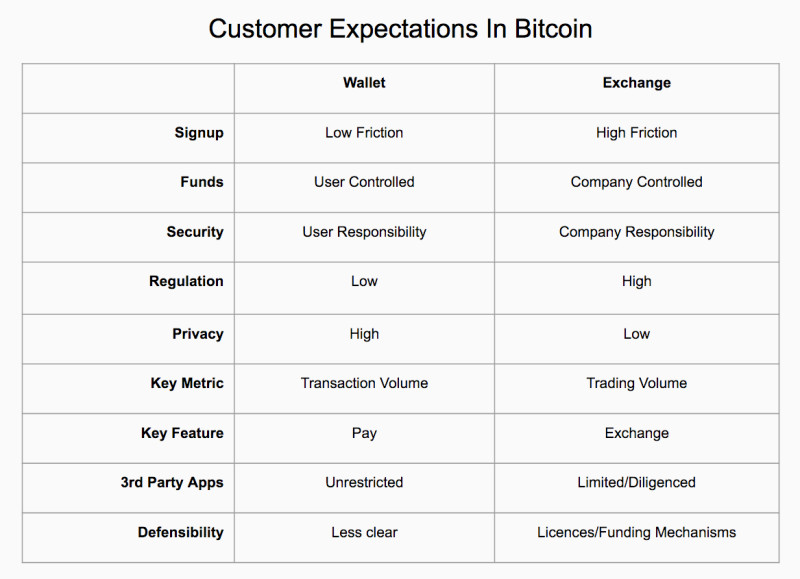
Native staking is the validator’s part - best for folks with crypto experience. It offers the most control because you secure blocks yourself. Staking through a CEX is user-friendly but assumes high trust since the platform holds your coins. That trade-off is real. I’d weigh it carefully.
Picking a Staking Platform
When you look for a place to stake, you might search for the best crypto platform to earn interest - but read the fine print. Popular centralized exchanges like Coinbase, Kraken, and Binance offer staking. They’re user-friendly and good for new stakers. Still, they hold your crypto, so you trust them not to get hacked or delist tokens.
Want self-custody? You need a wallet that fits your phone or computer. Hardware wallets back up and recover access. A crypto staking site should tell you which coins it supports. I check compatibility first - a wrong wallet means stuck coins and a bad day.
You can get crypto to stake a few ways. Buying from a CEX is easiest for beginners. A crypto ATM works if you already have a wallet. A DEX needs your own wallet setup, so it fits experienced users. Peer-to-peer services are another route. My first coins came from a simple exchange buy - that kept things calm.
Questions Before You Stake
- Do I understand the blockchain and its staking process?
- Does the staking chance fit my risk tolerance?
- Do I want a pool or to stake by myself?
- How reliable is the validator or pool I pick?
Popular Staking Coins
Many tokens can be staked, but ETH is the most popular on any crypto staking site. Other big PoS tokens include Solana, Toncoin, Cardano, and Polkadot. Each has its own community and use case. Cardano processes fast. Polkadot links chains. I find it helpful to look at the team and active users behind a token.
Some folks ask about what crypto is best to buy for staking, but that depends on the project. The best upcoming crypto to buy might be new, yet established coins like ETH have proven track. A crypto staking site often lists supported coins so you can compare. My take: stick to coins with clear docs and real use instead of hype.
Top PoS tokens by market size have shifted over years, but ETH stays on top because Bitcoin doesn’t use PoS. Cardano launched in 2017 and attracts stakers with speed. Polkadot pushes scalability and interoperability. I mention these so you see the spread beyond one coin.
Rewards You Can Earn
Staking rewards vary by role, method, and platform. Validators earn more - they do the block work. Delegators get a slice of the fees. Rates differ: ETH validators around 3.6%, Cardano delegators about 4.6%, Polkadot around 14.88% historically. A crypto staking site shows these rates in its info pages so you can plan.
You might wonder about how to invest cryptocurrency for passive income. Staking is one path, not a get-rich plan. The easiest way to invest in crypto for many is buying on an exchange and staking there. I like that rewards can grow if the network gets popular - but prices can drop too. It cuts both ways.
Rewards are often shown as APY, and each token has its own structure. After a transaction validates, the delegator waits a set period to get paid. A crypto staking site should state that waiting time clearly. My rule: note the payout date before I lock anything up.
Staking is not some exotic or complex financial product. In fact, it is not a financial product at all.
Why Staking Helps the Network
Staking spreads influence among many holders, making attacks harder. It stabilizes the network because funds are locked to validate. Anyone with a computer can run a validator, so it stays open. Decentralized by design - no single company controls it. A crypto staking site just opens the gate wider for normal users like you and me.
It’s also kinder to the planet. PoS uses far less energy than PoW mining. Post-switch, Ethereum uses a tiny fraction of its former power. I care about that - huge power burn never sat right with me. Staking keeps the lights low while securing transactions globally.
Staking encourages holding, which can lift a token’s value when fewer coins float free. Participants may join governance and vote on changes. A crypto staking site often shows these extras in its dashboard. My view: helping a chain while learning its rules is a solid deal.
No one company or government can control staking, because it is decentralized by design.
Notes on Some Platforms
Kraken built a stack called Kraken 360 to help protocol teams launch with staking support. It covers liquidity, custody, and staking after a token goes live. Aim: cut fragmentation for new projects. A crypto staking site like that serves teams more than solo users, but it shows where the industry goes as more chains appear.
Bitstamp stopped supporting ALGO staking after Algorand changed its reward program. Users kept their ALGO but earned no more rewards from that site. Reminder: a crypto staking site can change support based on network upgrades. I always watch project news before assuming a coin stays listed forever.
Coinbase has spoken up for staking, calling it not an investment but a way to secure the chain. They offer staking in many countries and note users keep ownership. In 2023, the SEC sued Coinbase over staking services, and some states limited new staking. Existing stakes were unaffected. A crypto staking site must navigate such fights. Coinbase argues bans push users offshore.

Risks to Keep in Mind
The big risk on a crypto staking site is illiquidity. Your coins are locked for a set time, so you can’t sell if you need cash. If the token price falls while locked, you feel the loss. Other risks: bugs, third-party pools, unclear rules in some countries. I never skip reading lockup terms before I stake - no matter how friendly the site looks.
Main Staking Risks
- Illiquidity during the lockup period
- Token price drop while funds are stuck
- Reliance on third-party pools or exchanges
- Unclear regulatory status in some places
Slashing is a specific risk for validators, but it’s rare. Only a small fraction of Ethereum validators have been penalized since staking began. Many service providers cover losses if it happens. Still, the how to get rich from crypto dream can blind people to these basics. A crypto staking site should warn you - mine does.
Counterparty involvement is another worry. Stake via a pool, and the operator’s choices affect you. On a CEX, the platform custodies coins and can be hacked. Token devaluation hurts even honest stakers. My plain warning: only stake what you can afford to leave put for the whole lock.
Liquid Staking and Other Choices
Advanced users may try liquid staking. It lets you stake yet keep a token that proves your stake, so you can use that receipt elsewhere. Think of it like borrowing against your home while still owning it. That raises leverage risks. I mention it so you know a crypto staking site might offer it - but it’s not for beginners who want simple rewards.
Some people trade crypto options to hedge - different from staking. Others ask what crypto is worth buying right now , but that timing talk doesn’t fit staking’s slow lock. The staking cryptocurrencies we discussed stay put for a while. My view: keep liquid staking for when you know the ropes and can handle extra moving parts.
Educational barriers are real too. Without good knowledge, validators and delegators make poor calls. A crypto staking site helps by publishing guides, but you must read them. I still google terms when something feels fuzzy - that’s okay for any learner.
What I Think About Staking
My overall read: a crypto staking site lowers the barrier to help secure blockchains. You don’t need to be a coder to join. Rewards are real but not a magic bullet. I’d tell any friend to learn the lockup and risks first. And sure, some search buy stocks in yahoo finance instead - but crypto staking is its own thing with its own rules.
If you want to try staking cryptocurrencies , start small on a known exchange. Read the docs, check the minimum, never stake what you can’t lock away. A crypto staking site can be a fine tool if you stay alert. That’s my plain take after reading the source material and watching the space.
I hope this post gave you a clear map. The topic stays useful years from now because PoS chains keep running. Keep your eyes on the lockup and the validator’s record. Remember: a crypto staking site is just a door, not a promise of wealth.














Comments on “What a Crypto Staking Site Is - and How You Earn Rewards”
No comments yet. Be the first to share your thoughts.