

What Does Mine Cryptocurrency Mean
I keep hearing the same question: what does mine cryptocurrency mean? At its core, it’s the mechanism for creating new coins and verifying transactions on a network-without a bank in the middle. Miners run computers to solve computationally hard puzzles. First to solve it wins a coin. That’s proof-of-work (PoW). The goal is simple: keep a public ledger of trades secure. It’s a wild idea when you sit with it.
When you hear how a crypto miner works , think of a race. Lots of machines guess random numbers at high speed. The one that finds a special number-called a nonce-gets to add a new block of transactions to the chain and earns fresh coins. It’s a lottery where the ticket is raw compute power. You don’t need to be a math whiz. You need hardware that guesses fast. The network trusts the block because the work proves real effort was spent.
Like real-world mining, crypto mining is hard work, needs luck, and there’s no guarantee you’ll strike gold.
The ‘mine’ in cryptocurrency doesn’t mean digging dirt. It means using GPUs or specialized chips to confirm transactions. Bitcoin, Ethereum, and many others started this way. Miners prevent double-spends and keep the system honest. They also mint the coins you buy on exchanges. Without them, the chain freezes. That’s pretty remarkable for a network of strangers.
Blockchain Basics And How Mining Fits
To see why mining matters, you need the blockchain basics. A blockchain is exactly that: a chain of blocks. Each block holds roughly one megabyte of transaction data. On Bitcoin, a new block appears every ten minutes. That block carries a reward for the first miner to solve it. Think of it as a page in a never-ending notebook. Each page links to the previous one. Tampering becomes obvious.
The puzzle is finding a nonce-a special number that makes the block valid. Because the chain has no boss, anyone can try. That decentralization makes cheating hard. To hack it, you’d need to rewrite every block before the next appears, which is impossible with today’s tech. No single person holds the keys. That feels fair in a weird way.
I like to think of the blockchain as a public notebook. Every ten minutes, a new page gets written. Miners are the ones with the fast pens. They write the page and get paid in coins for their work. If someone tries to erase a line, the crowd sees the mismatch. That’s why it’s called secure. You can trust it without knowing the writers.
How Proof-Of-Work Mining Works In Bitcoin
Bitcoin uses proof-of-work to confirm transactions. Miners pull transactions from users and verify they’re real. This stops double-spending-sending the same coin twice. You typically wait for a few confirmations before coins hit your wallet. Three confirmations take about thirty minutes. Six is safer. That wait is miners doing their job behind the scenes.
A miner is a device with a CPU, GPU, or an ASIC crypto miner . It solves a SHA-256 hash function. Whoever finds the right nonce first gets the block reward-also called finding a block. Speed is measured in hashes per second. The whole network competes, so combined speed is massive. A slow machine has slim odds.
The math isn’t about being smart. It’s about guessing fast and getting lucky. After checking about one megabyte of transactions, a miner must be first to solve the number problem. Do that, and they verify the next block and unlock new coins. No math degree required-just patience and good hardware. It’s more like rolling dice than taking a test. The network adjusts rules to keep block time near ten minutes.
Mining Rewards And The Halving Schedule
Miners get paid in new coins plus fees. The block reward starts large and gets cut over time. That keeps total supply limited. Bitcoin will never exceed twenty-one million coins. The cut happens roughly every four years. Satoshi Nakamoto designed it this way in 2009. It’s a slow release of money into the world.
Bitcoin block reward history
- 2009: 50 BTC per block
- 2012: 25 BTC per block
- 2016: 12.5 BTC per block
- 2020: 6.25 BTC per block
- 2024: 3.125 BTC per block
The drop in reward is called a halving. Miners earn half as much for the same work. Some argue less new supply can push price up if demand holds. History shows big price moves after halvings-but not instantly. It’s a neat trick to enforce scarcity. The twenty-one million cap means no one can print more at will.
The reward covers the power used. If coin price is low and electricity is high, a miner might operate at a loss. That’s the risk. Still, the network needs miners or it stops. Large farms plan years ahead for each halving. Small operators may quit if margins shrink. Tough business-but essential to the coin.
Mining Hardware Pools And Algorithms
You won’t mine Bitcoin profitably on a laptop. The total network speed is enormous. A single ASIC might do fifty terahashes per second, but the whole net is millions of times larger. So most miners join a pool. A pool acts as one big miner and splits the prize by work contributed. You get small payments often instead of a rare big win.
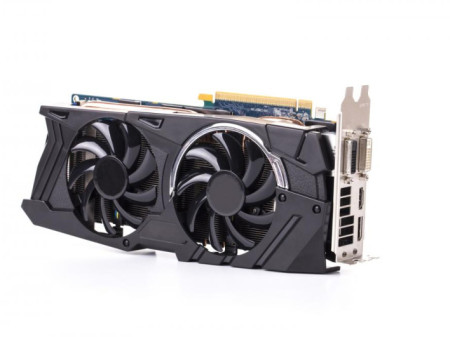
If you want to start, you look at affordable crypto miners or maybe the best mining GPUs for coins that use graphics cards. An ASIC crypto miner is built for one algorithm and is very fast. Pools help small players get steady pay instead of lucky shots. You send hash power to the pool and get a cut. It’s like a lottery club with friends.
Common coins and how they are mined
- Bitcoin uses SHA256 and is mined with ASIC
- Litecoin uses Scrypt and is mined with ASIC
- Ethereum uses DaggerHashimoto and is mined with GPU
- Monero uses RandomX and is mined with CPU or GPU
- Raven uses KAWPOW and is mined with GPU
Each coin has its own twist. Some have faster block times. Some try to block ASICs so regular folks can join. The list above is a few common ones. You pick based on your gear and electricity cost. Read up before buying hardware. The wrong pick leaves you with a space heater that loses money.
Mining Ethereum And Other Coins
Ethereum is the second-largest coin and was mineable under proof-of-work. The ideas mirror Bitcoin but rules differ. Ether block time is about twelve seconds with a reward of three Ether. Most join pools like SparkPool or NanoPool for steady pay. The network also runs smart contracts, not just coin transfers. Miners there help execute those too.
Some ask about the most profitable crypto to mine . That changes with coin price and hardware. Bitcoin and Ether rigs are most common. But many countries ban mining, so location matters. Cheap power is key to profitability. If you pay ten cents per kWh or less, you might stay in the green.
Ethereum planned a switch to proof-of-stake, which changes the game. But while proof-of-work was valid, miners earned. Other coins like Monero and ZCash remain mineable. The basics stay the same: secure network, earn block reward. Moving rigs to cold places with cheap power is a common trick. Know the rules where you live.
Proof Of Stake And Non-Mineable Crypto
Not all coins are mineable. LUNA on the Terra network is one example. It uses proof-of-stake. No miners. Instead, validators lock up a large deposit and the system picks one to write the block. They still earn new coins-but no math race. This uses far less electricity. A different way to keep trust.
Validators do the same job as miners but with a lock-up. Cheat, and they lose their deposit. LUNA holders can delegate coins to validators and earn a share. That’s staking. It uses less power than mining. Think of it as a security bond. Bigger bond, better odds to be picked.
Roles of proof-of-stake coins like LUNA
- Make the blockchain secure
- Pay network fees
- Governance through voting
- Incentive to help network security
LUNA also burns coins to mint stablecoins. Burn means sending to a dead address. This cuts supply and can push price up. Different model from mining but still creates coins. At one point, price climbed from a low of ten cents to around ninety-three dollars as supply dropped. That shows how burn can shift value. The burn idea is clever-even if risky.
Costs Pros And Cons Of Crypto Mining
Mining has upsides and downsides. On the plus side: with the right gear and cheap power, you can make cash. You also help crypto grow. Without miners, coins wouldn’t be worth much. The network would stall and trades fail. Honest work in a digital field.
Advantages of mining crypto
- You can make good money with right hardware
- You contribute to the growth of crypto
- Miners keep the network safe from fake trades
- New coins get created in a fair way
On the downside, electricity bills are huge. Mining uses as much power as a small country by some estimates. Gear is expensive too. High-end GPUs and ASICs are pricey and often out of stock. Noise and heat at home can drive you nuts. Not a silent hobby.
Disadvantages of mining crypto
- Astronomically high electricity bills
- Expensive hardware like GPU and ASIC
- Hard for average user to compete
- Some places ban mining fully
Straight talk: don’t start mining if you can’t pay the light bill. Profit margins vanish if coin price drops. Big firms use crypto mining companies in the USA to scale and survive. They buy tons of machines and hunt cheap power. Small guys can still pool up but must watch costs. Don’t skip the math on your electric rate.
Cryptojacking And Malicious Mining
Bad actors use a trick called cryptojacking. They hide software on your device to mine coins without permission. Your computer slows, your electric bill rises. They get the coins; you get the pain. Theft of compute. The code often runs quiet in the background. You may not notice till the fan screams.
Types of cryptocurrency malware
- CryptoLocker holds files for ransom
- Prometei botnets mine Monero on many devices
- PowerGhost hits servers without files
- Trojan malware steals info and hijacks system
This nasty stuff can come from one click on a bad link. It hides in web ads or free game sites. The code runs your processor at max constantly. That wears out your machine fast. Some scripts keep running after you leave the site. Plain greedy.
Impact is clear: slow PC, high bills, lost files, identity theft risk. Plain theft of your power. Stay sharp online. Companies lose money from downtime and cleanup. Regular users just see a laggy box. I hate that this trick exists, but it’s part of the crypto world.
How To Protect Yourself From Mining Malware
You can fight back with simple steps. Use ad blockers to stop browser mining. Keep antivirus on and updated. Turn off JavaScript on shady sites. A good blocker stops most drive-by scripts. Easy and free.
Ways to stay safe from cryptojacking
- Use ad blockers in your browser
- Install and update antivirus software
- Avoid suspicious emails and links
- Use strong passwords and two-factor auth
Keep your system patched. Close tabs you don’t trust. If you run servers, guard them with cyber tools. A little caution goes a long way. I tell friends: if your laptop fan sounds like a jet, check for malware. Don’t let strangers use your power to get rich.
One more tip: use complex passwords-eighteen plus characters. Mix cases, numbers, symbols. Add biometric login if you can. That keeps crooks out of your wallet too. Goal: make their life hard. You owe it to your own gear.
Broader Context And Perspectives
Crypto prices move on supply and demand like stocks. Some distrust banks and prefer decentralized coins. Bitcoin started in 2009 after a financial crisis. Mining adds production cost, which can support value. The more it costs to mine, the higher the floor some argue. A weird link-but real.
I am very excited about the prospect of using cryptocurrency, not just as a money equivalent, but using it as a way to earn something as a result of doing some type of work. - William Mougayar
You could say that cryptocurrency is equivalent to the bartering principle of the early ages and the paper money we use today; cryptocurrency is a money equivalent for the modern age.
If you want to try mining yourself, look at the best crypto mining software or apps to mine cryptocurrency . But know that iPhone crypto mining is weak and the best crypto mining app won’t make you rich overnight. It’s a hobby more than a job for most. The phone just lacks the punch.
At the end of the day, I find the whole system kind of beautiful. Strangers worldwide keep a ledger honest. That’s what does mine cryptocurrency mean to me: a weird, power-hungry, luck-based way to build trust online. If you made it this far, thanks for reading. I hope the plain words helped.








Comments on “What Does Mine Cryptocurrency Mean? How Miners Validate Transactions and Earn New Coins”
No comments yet. Be the first to share your thoughts.