
Calendar 2: The Mac App Store’s Hidden Miner
I read about a free calendar app called Calendar 2 on the official Mac App Store. Built by Qbix, the bundle was named CalendarFree.app. A security researcher dug in after Dan Goodin’s report and found hidden tricks. Apple pulled it after the flag. The old way: trust the store as safe. The new world: apps to mine cryptocurrency can slip right through. The app looked like a plain calendar. It even noted using spare CPU cycles in settings - most users missed that.
On launch, it ran background code. Users saw a calendar, not a miner. That’s the sneaky part. The maker called it a free feature trade; users felt tricked. I’d be mad too if my Mac fan spun up for someone else’s coins. This is why we’re talking about apps to mine cryptocurrency on devices you own. Apple signed it as valid - looked clean. The binary told a different story.
How the Mac App Mined Monero
Analysis showed mining code inside. Pulling text from the binary revealed strings like MinerManager and updateMiner - clear miner signals. It shipped a framework named Coinstash_XMRSTAK.framework, wrapping the known xmr-stak miner. Target: Monero, a privacy coin. This is not the best crypto mining software you’d install on purpose.
Things found inside the app
- Strings with Miner: Start and cpuLimit
- A class called MinerManager with many methods
- Link to Coinstash_XMRSTAK.framework
- The xmr-stak binary set to mine monero
The miner ran on app launch. It called a start method. The command included a pool address and token like qbix:greg@qbix.com - coins routed to the maker, not you. Classic apps to mine cryptocurrency without consent. A loop checked status; ping reports hit a server. No mine button required.
I looked at the dumped class info. MinerManager had 32 methods - runMining, stopMining, checkMiningStatus. Built to run a mine job. CPU limit set to 25 percent; still slows you down. Swift framework obscured it, but the bits exposed truth. A preference pane mentioned spare cycles - buried in small text as a free offer.
What the Miner Did to the Mac
Once running, the miner used Mac CPU to solve Monero math. A watch tool showed XMR-STAK process spawned. CPU limit 25 percent - slows machine, spins fan. It sent server reports with hash rates: average 0.9, max 21. Proof of work on your dime.
Although Apple claims to thoroughly vet all applications submitted to the Mac App Store, the Calendar 2 application possesses hidden cryptocurrency mining capabilities.
I found it wild: the app disclosed spare cycles yet earned bad reviews. Users didn’t want their Mac as a miner. Free features for mining felt unfair. One review called it a power rip-off. Store stars dropped. Users care about device health. The report JSON listed ports 7777, 5555, 3333 with weights - showing where mine work went.
Server got data: CPU battery limit 10, so it stopped on low battery. Plugged in, it ran free. Pool: pool.graft.hashvault.pro:7777. Token tied to greg@qbix.com. Coin went there. This is the core of apps to mine cryptocurrency behind your back. It logged Miner: Stopped when inactive - but the power bill was still yours.
Google Play Apps That Mined Coins
Another case: two Android apps on Google Play - Songs and Prized. Over a million downloads combined. They mined Litecoin and Dogecoin without disclosure. Another instance of apps to mine cryptocurrency hiding in plain sight. Trend Micro flagged them; store policy demands clear disclosure, but these skipped it. One pulled after news, initially both up.
News broke in March. One app vanished soon after; the other lingered. Mining only ran while charging - to save battery but the phone got hot. Heat is a tell. Store description said nothing of coin work. Users wanted music or prizes, not a hidden mine.
Songs and Prized Android Apps
Songs installed 1–5 million times. Prized: tens of thousands. Neither disclosed mining. Both mined only while charging - to avoid battery death, but phone heated. They used the chip to hash Litecoin and Dogecoin. The code wasn’t in text; it was in behavior.
Key facts about these apps
- Songs mined Litecoin and Dogecoin
- Prized did the same with less installs
- Mining only while plugged in
- No clear note in app description
Trend Micro flagged it. Google removed Prized post-news. Even Play Store can host hidden miners. Can’t trust the name alone. Mining ran background on power connect. Slow charge, hot glass - a tell. Policy required distributed computing disclosure; these slipped.
Phones do not have sufficient performance to serve as miners. Users will also quickly notice the odd behavior of the miners slow charging and excessively hot phones.
I agree. A phone is weak versus a real rig. But volume adds up. Millions of installs turn tiny yield into stream. This is why apps to mine cryptocurrency persist. Researcher noted miner not stealthy - heat betrays it.
MemeGenerator and Coinhive on Android
Avira analyzed a free Android app, MemeGenerator - make memes on pictures. Harmless? It loaded a script from coinhive.com that mined Monero via the app’s browser engine. Asked only normal permissions: network, storage. Users thought fine. Clean icon, simple tool.

Code revealed a Coinhive site key. On run, CPU load hit ~48 percent; phone warmed fast. Clear sign of apps to mine cryptocurrency sneaking in. Decompiled app showed HTML pulling min.js - the miner. Easy to hide in a fun app. Built with App Inventor and WebView.
What Avira found
- App built with App Inventor and WebView
- HTML file loaded min.js from coinhive
- Site key K2hXuRJ7cExO4bPknDEWhDabqM0Ls8e3
- Detected as ANDROID/Coinminer.X.Gen
Coinhive Miner makes it clear with its modular approach: it is easy to make a harmless-looking app for mining cryptocurrency. The only way a user can tell is when the device gets hot.
Avira noted per-device payoff tiny but scales across many. They flag app and script as malware. I like that they shared exact hashes for blocking. The app SHA was 6d4daa7588df5e864485b6aab665bd66c79fe6aed842f22d86b8a54bd6dcc3a6 and the JS SHA was 712bb1af37e7a67f86eb8b2826b8e9bd90af1d0cf213e0d8f5392dcdb5f8ed5d. Lesson: read permissions, feel the heat. Simple meme app, pocket mine.
Browser Extensions That Mine Crypto
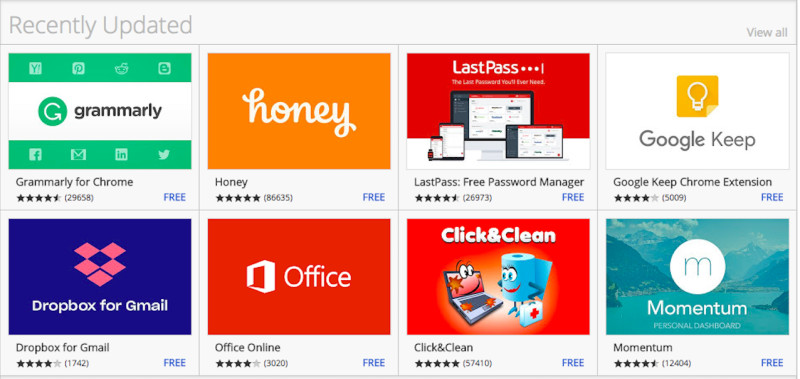
Google once banned Chrome extension Archive Poster. Added Tumblr features but mined Monero background. In 2018, Google barred extensions with hidden mining. New ones rejected. A big step against apps to mine cryptocurrency on browsers. Real use, but hidden mine broke trust. Policy shift hit devs earning coin quietly.
Sites like The Pirate Bay tried browser mining to replace ads. Not an app, same idea. Browser used without knowledge. Use blockers. Ban showed platforms act when caught. Many bad extensions predated rule. Line between tool and thief is consent. Disclosed mine maybe okay; hidden is dirty.
Websites With Hidden Mining Scripts
Beyond apps, sites embed JavaScript that mines on visit. Coinhive made it easy. Script uses CPU for Monero, sends to owner. Avast saw it on tens of thousands of sites. Spot by fan spinning on simple page. Script hides in images or ad slots.

Block scripts or use miner blocker. Not app store issue, but same hidden mining world. Script hides in ads/pop-ups. CPU jumps? Close tab. Device shouldn’t work free. Line between apps to mine cryptocurrency and web miners is thin; both steal power. Ad blocker with miner lists stops most.
Signs Your Device Is Mining Crypto
Wonder if something’s wrong? Watch heat and slowness. Every case shows devices hot. Battery drains, charge slows, CPU high for no reason. Red flags for apps to mine cryptocurrency. Warm pocket heater isn’t normal. Mac fan ramping at idle is clue.
Common warning signs
- Phone or Mac gets hot during idle
- Battery drops quicker than normal
- Charging takes longer than before
- CPU usage spikes with no open tasks
MemeGenerator device visibly warmer. Mac fan hard at work. Trust gut if off. Android battery screen shows odd apps. Mac Activity Monitor shows truth. I tell friends: trust the feel. Simple meme app burning phone? Delete. Signs plain if you look.
How to Detect Hidden Mining Apps
Check app reviews for heat/battery talk. On Mac, Activity Monitor reveals strange processes like xmr-stak. Android: battery stats. Background CPU hog? Dig deeper. Avira flags as Coinminer. Plain users spot by feel. Search app name + “mine” for reports.
Steps to check your device
- Open system monitor and sort by CPU
- Read app permissions and reviews
- Use security tools that flag miners
- Remove apps you do not trust
Meme app warms pocket? Toss it. Checks take five minutes. Search app name + mine shows reports. Researchers post findings. This is how users fight apps to mine cryptocurrency. Android permissions screen friend. No special rights yet heats? WebView culprit. Mac process list shows xmr-stak plain.
Removing Bad Apps and Staying Safe
Found a bad app? Delete it. Mac: drag to Trash. Android: uninstall in settings. Restart. Update OS to block tricks. Simple way to fight apps to mine cryptocurrency. Add security app scanning miners if you want. Removal quick; habit of checking saves you.
The decision to mine a cryptocurrency should be made by you as the device owner not as a sneaky move by the bad-intended developers.

I tell friends: stick to known devs. But stores fail. Quick look at reviews/permissions goes far. After removal, watch a day for heat gone - confirms miner left. Safety is habit, not fear. Proofpoint suggests ad-blockers, endpoint protection as layers. Catches slip-throughs.
The Bigger Mining Trend
These cases are part of a wider shift. 2017: Bitcoin price jumped. Coins attractive. Privacy coins like Monero favorites for hidden miners. Bad actors embedded scripts in sites/apps. Steady coin, no ask. Not just few apps to mine cryptocurrency - a pattern. Value rise pulled crooks seeking free compute.
zvelo study: illicit Bitcoin activity large. Mining malware low effort. Runs quiet across machines. Unlike ransomware, no lockout - just slows. Spread to stores, browsers. Trend persists while coins hold value. Best defense: user watching device.
What Crypto Miners Use Your Phone For
You might ask what mining cryptocurrency actually means on first hearing. It means your phone does math to create coins. The how a crypto miner works is simple: code that hashes numbers. These hidden apps aren’t the best crypto mining app you’d pick. They steal your power. Silent, steady work on the chip you paid for.
While iphone crypto mining is rare in these stories, Mac and Android had real cases. The most profitable crypto to mine for bad guys was Monero - privacy. Your device becomes small worker in big pool. Doesn’t need top spec. Slow hash across a million phones adds up. Ugly math of stolen cycles.
Why Cheap Miners and GPUs Matter
Some buy cheap crypto miners or rigs with best mining gpus . Hidden app makers skip cost. They use your hardware free. No asic crypto miner needed when they have your phone. That’s why crypto mining companies in usa sell gear, but crooks use apps. Gap between legit and dirty is consent. Paid rig mines for you; hidden app mines against you.
The best crypto mining software for honest users is open, clear. Calendar 2’s stuff hid in a framework - opposite of fair. If you mine, do it on your gear with your yes. Don’t let an app decide. Stories show mess of stolen cycles. A settings note isn’t enough when store promised safety. Real gear loud and yours; hidden app quiet and theirs.
Keeping Your Devices Running Smooth
Goal: fast, cool device. Watch signs we covered. Use browser blockers. Read before install. That keeps apps to mine cryptocurrency off your stuff. This write-up helps you stay safe without hype. Your phone and Mac are yours, not free mine. Clean machine feels better, lasts longer.
Spot weird app? Search its name. Researchers report cases. Calm checking beats fear. Clean device lasts. I keep machines lean, watch fan. Simple habit saves from hidden miners. Old store trust gone, but quick review look brings safe. You got this.













Comments on “Spotting Apps to Mine Cryptocurrency Hiding on Your Devices”
No comments yet. Be the first to share your thoughts.