
What an ASIC Crypto Miner Is
If you’re new, you might be wondering what mining cryptocurrency actually means . Strip away the jargon and it’s simple: a machine runs math puzzles that keep a coin network secure. An asic crypto miner is a box built for exactly one job. It doesn’t browse the web or play games. It guesses numbers all day to find a hash that fits the chain’s rules.
ASIC stands for Application-Specific Integrated Circuit. That’s a fancy way of saying a chip built for a single task. Unlike a general-purpose computer chip, it can’t switch jobs. This singular focus is why an asic crypto miner crunches so many hashes while sipping power next to old gear. I think of it as a dedicated worker who knows one trick and does it fast.
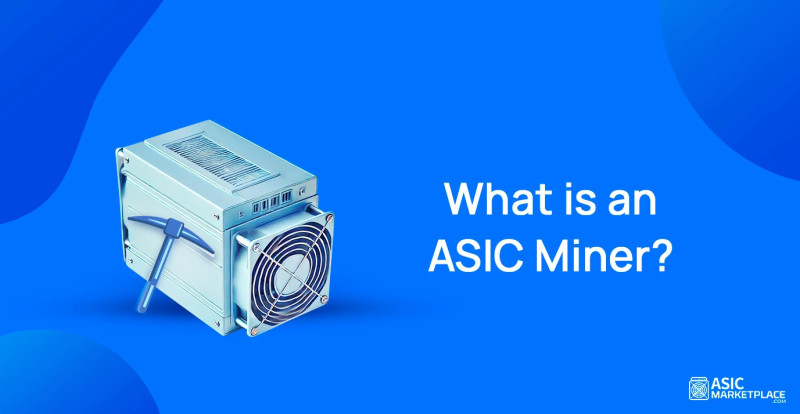
To understand how a crypto miner actually works , picture a device that takes a block of data and runs a hash function repeatedly. It changes a small number called a nonce each time. When the output hash is low enough, the network accepts it. That’s the whole job. The asic crypto miner simply repeats this billions of times per second without you touching it.
Most boxes talk to a mining pool. The pool sends work; the box sends back answers. You type in a few settings once. After that, the machine runs itself. This is why many call it plug-and-play-though you still need solid power and cooling.
How ASIC Miners Came to Be
Early Bitcoin mining started on plain CPUs. A single processor might find a block in weeks if you were lucky. As more people joined, the work got harder. Folks moved to graphics cards-the best mining GPUs of that era-because they could handle many jobs at once.
The big shift came in 2013 with the first ASIC. ASICMiner and later Bitmain’s Antminer S9 changed everything. These boxes delivered terahashes per second while drawing less power than a rack of GPUs. Since then, the tech has shrunk chips and improved cooling. Today, an asic crypto miner is the main tool for serious mining.
Steps in mining gear history
- CPUs first-slow but simple
- GPUs next-better parallel work
- First ASIC in 2013-huge speed jump
- Modern units with better heat design
We went from a laptop earning pennies to loud halls full of dedicated boxes. The path was rough, but the pattern is clear: single-purpose chips win on speed and power. That’s the story so far, and it holds true no matter the year.
Why Use an ASIC Crypto Miner
There are clear upsides to owning an asic crypto miner . The big one is raw speed. Modern units push hundreds of terahashes per second. A top GPU might do a few hundred megahashes. That’s a massive gap you feel in payouts.
Another plus is low power per hash. Measured in joules per terahash, the best are under 13. GPU rigs often exceed 100. Less power means more money stays in your pocket. These boxes are also mostly plug-and-play once you type in pool info.
Main upsides of an ASIC
- High hash rate compared to old gear
- Low power draw per terahash
- Better profit chance for big ops
- Few moving parts beyond fans
An ASIC is programmed only for a specific hashing algorithm, giving it a massive edge in speed and power use.
I care about this because power bills sneak up on you. A machine that does more per watt is a friend. And with no complicated parts inside, you spend less time fixing and more time earning. That’s the plain appeal.
The Limits of These Machines
No tool is perfect. An asic crypto miner is locked to one algorithm. A SHA-256 box can’t mine Scrypt coins without new hardware. That’s a real risk if coin prices shift and you can’t switch.
They also cost a lot up front. Even a basic unit runs several hundred dollars. Premium models hit thousands. And they pull real power-often 2 to 5 kilowatts-which can trip home breakers. Older models lose value fast as new chips arrive.
Things to watch out for
- Algorithm lock-in stops flexible mining
- High upfront cost for good models
- Big power draw stresses home wires
- Quick depreciation as new gens appear
Don’t gloss over this. Before you buy, check your electric panel and local rules. A loud box that heats your room isn’t fun. And if you pick the wrong algorithm, you may end up with a paperweight. Weigh the limits as much as the wins.
How an ASIC Crypto Miner Works
The work is a set loop. The miner gets the latest block header from a pool. Then it starts changing the nonce and hashing again and again. When it finds a valid hash, it sends the answer back.
The pool checks the work and pays your wallet. All of this runs automatically. Once you set pool URL and wallet, the asic crypto miner runs until you unplug it. No need to babysit. The box just keeps guessing day and night.
Key steps inside the box
- Fetch block header from pool or peer
- Iterate nonce and hash billions of times
- Submit solution when target met
- Pool verifies and pays reward
The entire process is fully automated; once a miner is configured it runs continuously until power is removed.
For SHA-256 coins, the device does a double hash of the header plus nonce. The goal is a result lower than the network target. It sounds complex, but the chip does it without sweat. Your job is simply to keep it powered and cool.
Big Names and Popular Models
Several makers build the asic crypto miner you can buy. Bitmain, Canaan, and MicroBT lead the pack. They offer boxes for different algorithms like SHA-256, Scrypt, X11, and Equihash.
For Bitcoin-style coins, the Antminer S21 XP hits 270 TH/s. The Canaan Avalon Q is smaller at 90 TH/s but quieter. If you want budget-friendly crypto miners , the Avalon Q or Fluminer T3 are easy on the wallet and good for home. For Litecoin or Dogecoin, the Antminer L9 or L11 Pro do the job.
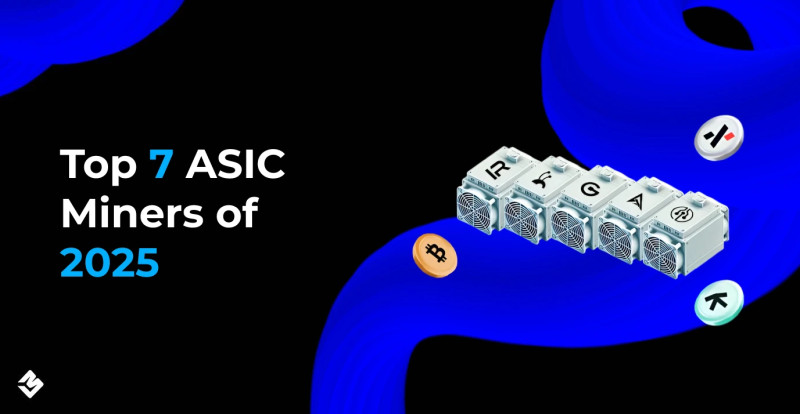
Common models by algorithm
- Bitmain Antminer S21 XP for SHA-256
- Canaan Avalon Q for quiet home use
- Bitmain Antminer L9 for Scrypt coins
- Bitmain Antminer D9 for Dash X11
Smaller shops like Goldshell and Innosilicon make units for odd algorithms. Their speed is lower and they’re less common, but they fill niches. The Fluminer T3 gives 115 TH/s at about 50 dB-rare for low noise. My advice: pick by your coin and your room, not by hype.
What to Look for When Buying
Picking the right asic crypto miner takes a bit of thought. First, match the algorithm to the coin you want. A SHA-256 box won’t mine Litecoin. Second, check hash rate versus power. A high hash rate is good, but if the watt draw is huge, extra electric cost eats profit.
Look at joules per terahash; lower is better. Up-front cost matters too. Warranty length signals build quality. And think about noise and heat in your room. The most profitable crypto to mine for you depends on these numbers plus your power bill.
Key factors for selection
- Algorithm match to target coin
- Hash rate vs power draw balance
- Up-front cost and warranty time
- Hosting space for noise and heat
I always tell friends: write down your electric rate first. Then look at the box specs. A model with slightly less hash but much lower watts may win. And a longer warranty saves you if a fan dies. Keep it simple and you’ll be fine.
Where to Buy an ASIC
You can order direct from makers like Bitmain or Canaan. They ship worldwide but may require large orders. Authorized resellers keep stock and give local help. The secondary market sells used units-but beware fakes.
Brokers on Telegram or Discord can get bulk prices, taking a small cut. They also handle import paperwork. If you want budget-friendly used crypto miners , check ratings first. I would stick to known sellers.
Places to purchase
- Direct from manufacturer websites
- Authorized resellers with local support
- Secondary market for used gear
- Individual brokers for bulk deals
Used gear can be a steal, but a broken hashboard is no bargain. Ask for pics and test logs. Some resellers refurbish and give short warranty. That’s a fair middle ground when you can’t afford new.
Taxes and Shipping Costs
Many regions charge about 25 percent import tax on hardware from China. Some places waive it for mining gear, but not all. Always add this to the sticker price so you’re not surprised.
This cost can make a cheap unit less cheap. Factor it before you click buy. A small math check saves headaches later. Also remember shipping insurance, because these boxes are heavy and fragile.
If you live where tax is waived, good for you. Others may need to price that into daily profit. I treat it as part of the machine cost, not an afterthought. That keeps my ROI math honest.
Hosting Your Miner at Home or Away
You can run an asic crypto miner in your bedroom, but it gets loud and hot. Home pros: full control and easy start. Cons: noise near 75 dB, heat, and possible HOA rules. Pro hosting means companies like Core Scientific and Bitfarms give cheap power and cooling. Some U.S.-based crypto mining companies offer turnkey spaces by the megawatt.
Home versus pro hosting
- Home: full control, easy to start
- Home: noise and heat are real cons
- Pro: cheap power and industrial cool
- Pro: less hands-on but monthly cost
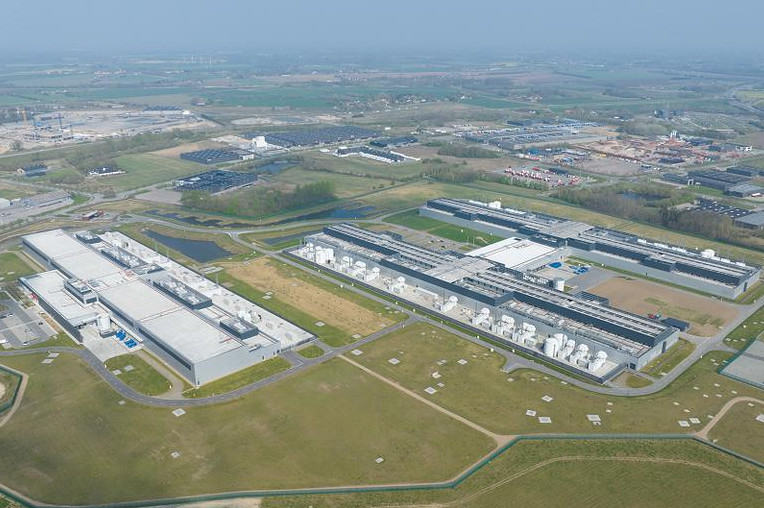
Dedicated farms may lease you a whole cell with power and cooling included. That suits big buyers. For most solo folks, home is fine if you can stand the fan sound. Just keep airflow open and don’t trip the breaker.
Setting Up Your Machine
Unbox and check parts: miner, power cable, ethernet. Connect to 220-240V supply with enough breaker amp. Plug network cable and assign IP if needed. Then open the web UI at a local address.
There you enter pool URL, worker name, and your wallet. Save and restart. Firmware updates happen in the same page. You do not need the fancy crypto mining software because the box runs itself. Remote tools are optional.
Setup checklist
- Verify components in the box
- Connect to 220-240V power
- Plug ethernet and set static IP
- Enter pool and wallet in web UI
A sample pool URL looks like stratum+tcp://btc.pool.to:3333. Worker name can be anything. Wallet is where coins go. After save, the asic crypto miner boots and starts hashing. Give it ten minutes and check the dashboard.
Keeping It Cool
Air cooling is default: big fans push air through. Leave 30 cm clear on all sides. Hydro cooling uses liquid loops for less noise. Immersion drops the whole asic crypto miner in non-conductive fluid, killing fan noise and boosting life.
To cut sound, use foam panels and keep it away from beds. The Fluminer T3 runs about 50 dB-much quieter than others. Pick your cooling method by space and budget.
Cooling methods
- Air cooling with side panels open
- Liquid closed-loop for mid units
- Immersion tank for large farms
- Acoustic foam to damp noise
Heat is the silent killer. If a chip runs hot for months, it dies early. I check temps weekly. A $20 fan upgrade or an open window can add a year of life. Don’t ignore this.
Care and Fixes
Dust builds on fans. Use compressed air monthly. Update firmware when makers push it. Watch temperature; if ambient stays above 45C, add cooling or undervolt.
Common snags: heat shutdown, hashboard fail, network drop. Most ASICs last 3-5 years of non-stop run if treated well. Proper cooling extends that.
Most ASICs are rated for 3-5 years of continuous operation. Proper cooling and gentle undervolting can extend this.
Common issues and fixes
- High temp shutdown: clean dust, check fan
- Hashboard fail: re-flash firmware
- Network loss: check cable and pool URL
- Short life: poor cooling and dust
If a board fails repeatedly after flash, you may need repair. Some shops swap boards. Until then, the rest of the box still hashes. Keep a log of temps and hash rate so you see drops early.
Mining Pools and Getting Paid
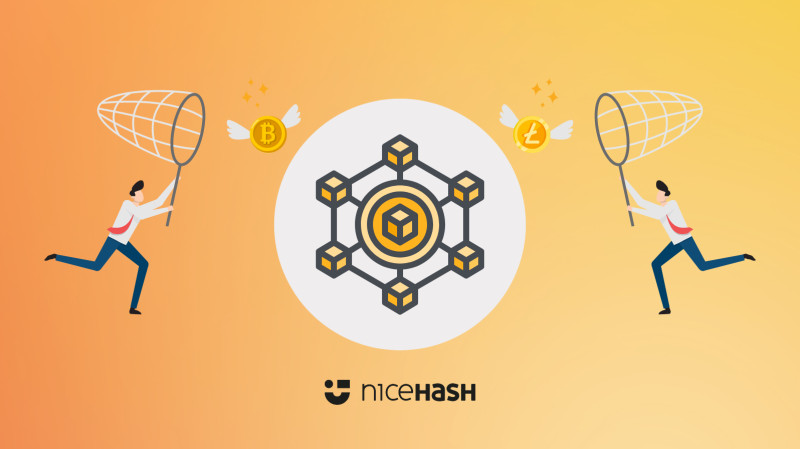
Solo mining alone is near-zero chance for home users. Pools join many miners to share rewards. PPS pays per share, FPPS adds tx fees, NPP smooths variance. NiceHash sells your hashrate and pays daily, often a bit higher than pools.
If you toy with idea of a top crypto mining app on a phone, that is different. Those apps that claim to mine cryptocurrency do not use real ASICs. And mining crypto on an iPhone is not real for these coins. Stick to pool for your box.
Pool payout types
- PPS: fixed pay per share
- FPPS: includes transaction fees
- NPP/PEARL: smooths variance
- NiceHash: daily pay for hashrate
NiceHash is a good start for new folks because it pays daily and supports many algorithms. But you give up a cut. Traditional pools may pay more if you have steady hash. Either way, join something-solo is a losing game for small players.
Figuring Profit
A simple profit model: revenue equals your hash divided by network hash times block reward times coin price times 24. Cost is power in kW times electric rate. Subtract pool fees. Watch network difficulty, coin price, and halving events.
Cheap power under 4 cents per kWh is key. Use online calculators to see ROI. The most profitable crypto to mine shifts with these vars. I check mine monthly.
Solo mining has essentially zero chance of profitability; joining a pool is essential.
Network difficulty adjusts every 2016 blocks for Bitcoin-about two weeks. If difficulty rises and price is flat, your take drops. Halving cuts reward by half roughly every four years. Plan for that slump. A calm mind and a spreadsheet beat guessing.
Tax and Law Stuff
In most places mining rewards count as income when received. Keep logs of hash, power, and earnings. Rules vary; some regions tax heavily or ban mining. Check local law before you plug in.
In Texas and Alberta you can sell excess power back, lowering cost. Green power and immersion cooling look good to regulators. Stay informed on law changes.
I’m not a lawyer, but I keep every receipt and a simple csv of daily coins. That makes tax time less scary. If you earn a lot, talk to a pro who knows crypto. It’s worth the small fee.
Other Coins and Algorithms
Litecoin and Dogecoin use Scrypt; L9 or L11 Pro fit. Dash uses X11 with Antminer D9. Zcash uses Equihash with Z15 Pro. Monero uses RandomX, not yet on main ASICs; CPU still rules there.
Pick coin by your hardware. The asic crypto miner you own sets the coin, not the other way. Simple as that.
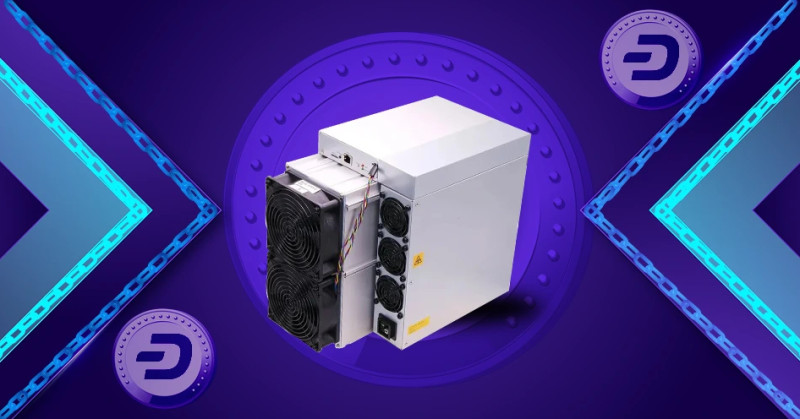
For Scrypt, lower difficulty than Bitcoin can mean decent margins with cheap power. Dash X11 is efficient on the D9. Zcash market is smaller but the Z15 Pro handles it. RandomX may get ASICs later, but for now CPU rules. Match box to coin and sleep easy.
Common Questions
People ask which model profits most. It hinges on power cost. For cheap power, S21 XP leads; for home, Avalon Q. How loud? 70-80 dB like a street, but Fluminer T3 ~50 dB. How long? 3-5 years.
Quick answers
- Most profit: depends on electric rate
- Noise: 70-80 dB typical, quieter options
- Lifespan: 3-5 years with care
- Skills: basic web UI enough
Do you need special skills? Basic tech is fine. Taxes? Consult local pro. The best mining GPUs are outdated for Bitcoin but fine for Monero. That's the gist. If you keep it cool and watch the watts, an asic crypto miner can earn steady pocket money for years.








Comments on “Picking and Running Your ASIC Crypto Miner, Lean-Style”
No comments yet. Be the first to share your thoughts.