

What to Invest In as a First-Time Cryptocurrency Investor
I get it. You've heard the stories. Bitcoin went from essentially zero to six figures before most people even knew what it was. Some early buyers made life-changing money. Some didn't. The fear of missing out is real, and so is the fear of losing everything. Let me walk you through what cryptocurrency actually is, which coins people talk about, and the real risks before you put any money in.
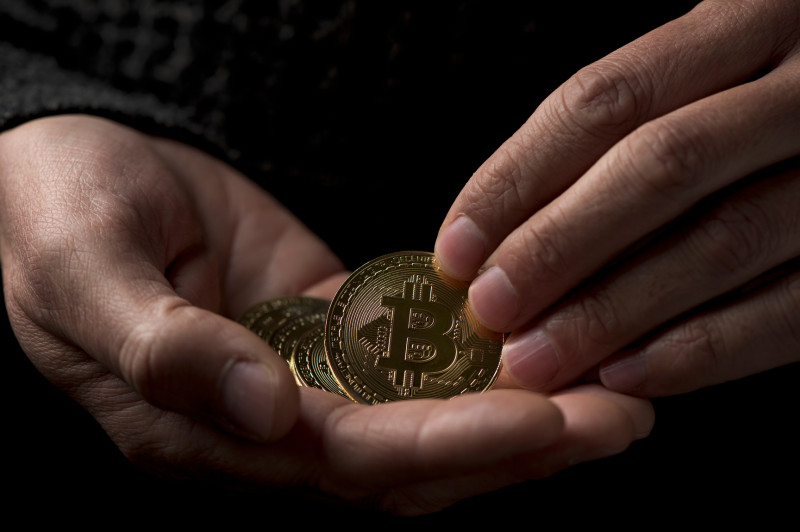
Getting a handle on how to invest cryptocurrency starts with understanding that this stuff is fundamentally different from stocks or bonds. There's no company making widgets, no dividend checks, no rent coming in. The price depends on what someone else will pay for it tomorrow. That alone makes it riskier than almost anything else you could buy.
The practical result is a system that can function without a central intermediary, but not without trust. Network participants must trust the software, validators or miners, exchanges, wallet providers, private-key security, and the willingness of other people to recognize and transact in the asset.
That quote nails the core problem. When you buy Bitcoin or Ethereum or whatever else, you're really betting that enough other people will believe in it too. That's the whole game.
Understanding the Basics
Cryptocurrency is a digital currency not tied to any bank or government. Bitcoin started this whole thing back in 2009, and it's still the biggest player today. Since then, thousands of other coins have cropped up - Ethereum, Solana, Cardano, Litecoin, XRP, BNB, Dogecoin, and plenty of others you've probably never heard of.
Transactions get verified by a network of computers, not a single company. That distributed record-keeping system is called a blockchain. Once something gets written to the blockchain, good luck changing it - the system is built so changes are practically impossible. That's supposed to stop people from spending the same coin twice or faking transactions.
But here's the catch: blockchain doesn't run itself. It needs people - miners or validators - to keep things honest. And it needs exchanges and wallet companies and buyers and sellers. All of those middlemen can fail, get hacked, or just disappear. So despite all the talk about being trustless, you still have to trust something.
The 2025 collapse of TerraUSD showed this perfectly. That stablecoin was supposed to stay pegged to the dollar. When confidence broke, it imploded in days. One trusted peg, gone in a week. Anyone who held it lost money fast.
What Moves Cryptocurrency Prices
Unlike stocks, crypto has no earnings report, no revenue numbers, no debt-to-equity ratio. There's nothing concrete to point at and say "this is why it's worth X dollars." Instead, four big forces tend to push prices around:
First, utility and adoption. If a coin actually gets used for real things - payments, smart contracts, finance apps - that creates demand. But just because the technology works doesn't mean the coin's price follows.
Second, liquidity. Coins traded by lots of people are easier to buy and sell without tanking the price. Thinly traded coins? One big trade can send them swinging wildly.
Third, supply and demand. A coin with a capped supply (like Bitcoin's 21 million limit) can climb if demand rises faster than new coins appear. But supply limits don't guarantee price increases.
Fourth, market sentiment. Hacks, regulations, media hype, fear, greed - all of these can swamp everything else. A single tweet from a big name can send prices soaring or cratering.
The Reasons People Invest in Cryptocurrency
People buy crypto for different reasons. Some see massive potential returns, especially from newer coins that haven't gone mainstream yet. Early buyers of Bitcoin and Ethereum saw incredible gains - but timing matters enormously. Buying after everyone already knows about a coin means you're playing a different game entirely.
Some folks treat Bitcoin like digital gold - a hedge against inflation or currency debasement. The idea is that unlike dollars or euros, no government can print more of it whenever they feel like it. The supply is locked in by code, not by politicians.
Others like the control. A private key lets you hold and move your money without a bank or broker standing in the way. No permission needed. That's especially appealing in places with shaky banking systems or strict capital controls.
Portfolio diversification is another draw. Crypto doesn't always move with stocks and bonds, so a small slice might smooth out your overall returns. But that diversification cut both ways - during market panics, crypto often crashes alongside everything else.
Then there's pure innovation. Buying a token can feel like backing a promising startup. If the project succeeds, your investment might pay off. But remember, most startups fail. So does most crypto projects.
Easy access is a big part of it too. You can get started with just a few dollars. No need for a fat account balance or a Wall Street minimum. That's powerful - but it also makes gambling way too easy.
And for some, it's 24/7 access. Traditional markets close. Crypto doesn't. News breaks at 3 AM? Prices react immediately. That can be an opportunity or a nightmare depending on when you're checking your phone.
Market Capitalization Categories
Investors often sort cryptocurrencies into buckets by size. Market cap is just price times total supply, but it's become shorthand for "how established is this coin?"
Market cap size groups
- Large-cap : Above $10 billion. Bitcoin and Ethereum live here. These are the giants - more stable, more widely known, but slower growth potential. They're the "blue chips" of crypto.
- Mid-cap : $1 billion to $10 billion. More growth potential than large caps, but more volatility too. These are the middle children - established enough to look credible, small enough to swing hard.
- Small-cap : Below $1 billion. High risk, high reward territory. These coins can explode or die in weeks. Most people lose money here.
Small-cap cryptocurrencies have a market value below $1 billion. Smaller coins may have more growth potential, but they are also described as more volatile and more vulnerable to failure.
Hanging out in the top 10 or 20 coins by market cap tends to be safer than chasing random low-cap altcoins. But safer doesn't mean safe. Even the biggest coins have wiped out 80%+ of their value in past crashes.
Bitcoin
Bitcoin was the first cryptocurrency, launched in 2009. It uses a proof-of-work system that relies on miners burning electricity to validate transactions. Its total supply is capped at 21 million coins. That scarcity is a big part of its appeal - no central bank can inflate it.
I've seen the price charts. They're wild. Bitcoin has had multiple 80%+ drawdowns. If you bought at a peak and held through the crash, you'd have questioned every decision. But if you held through that and waited years, you probably made money eventually.
Some reasons people point to Bitcoin as worth holding: it's the original, the most established, the most widely recognized. Institutional investors have started adding it. Spot ETFs now let you buy it through a regular brokerage account. And the halving event - when mining rewards get cut in half - happens roughly every four years, historically followed by price increases.
Arguments for Bitcoin
- Tax efficiency: Bitcoin doesn't pay dividends or interest, so holding it triggers no annual taxable income. Sell after a year and the gains get taxed at lower long-term rates.
- Potential tax-loss harvesting: Unlike stocks, you can sell Bitcoin at a loss and buy it right back without waiting 30 days. Use that loss to offset gains elsewhere.
- Low correlation: Bitcoin doesn't always move with stocks, which can help diversify a portfolio - although that correlation rises during market stress.
- Strong community: Bitcoin has a deeply committed user base. Many holders treat it like a religion and keep buying even when prices crash.
Bitcoin routinely falls by about 80%. It also described a decline of $58,751 over 21 days, nearly 16%, shortly after the article was written.
Why some people stay away from Bitcoin
- No cash flow: Bitcoin produces zero earnings, dividends, or interest. You make money only by selling to someone else who pays more.
- Massive volatility: Those 80% crashes aren't theoretical - they happen regularly. A big enough hit and you might panic-sell at the bottom.
- Lost keys: About 20% of all Bitcoin may already be permanently lost because people lost passwords, seed phrases, or hardware devices. That's billions of dollars gone forever.
- Energy use: Bitcoin mining requires a ton of electricity. Some call it wasteful, others call it necessary security.
The author of a 2024 analysis said he didn't own Bitcoin himself. But his survey readers generally landed on the same conclusion: a small allocation - maybe 5%, maybe 0% to 10% - makes sense for most people. Anything over that starts to look less like investing and more like gambling your whole financial future.
Ethereum
Ethereum is different from Bitcoin in one big way: it's programmable. You can build applications on it. Smart contracts - code that executes automatically - run on the Ethereum network. Decentralized finance apps, NFTs, all kinds of stuff.
The price swings are just as brutal. I've watched Ethereum gain 100% in a week and lose 70% in a month. The technology keeps evolving with upgrades, and new competitors keep popping up claiming to be faster and cheaper.
Ethereum's supply situation is more complicated than Bitcoin's. It doesn't have a hard cap, though recent upgrades have made issuance much lower. Some sources say it's inflationary. Others say the token burns more than it creates. It depends on who you ask and when.
Where Bitcoin is like digital gold, Ethereum is more like a platform - think AWS for decentralized apps. That makes its value proposition harder to pin down. Is it a currency? A stock in the Ethereum network? An investment in the future of decentralized computing? Good question, and different people have very different answers.
Other Major Coins
Beyond Bitcoin and Ethereum, plenty of other coins have caught attention:
Notable cryptocurrencies beyond Bitcoin and Ethereum
- Solana : Known for fast transactions and low fees. Gained a lot of attention but also faced network outages that raised reliability questions.
- Cardano : Built with a research-first approach, peer-reviewed code. Has a strong development philosophy but has been slower to deliver practical applications.
- BNB : The native token of the Binance exchange ecosystem. Used for trading fee discounts and decentralized finance. Tied closely to the success of Binance.
- Dogecoin : Started as a joke but gained real traction through memes and celebrity endorsements. No serious utility, but still ranks among top coins by market cap.
- XRP : Designed for fast cross-border payments. Faces an ongoing legal battle with the SEC that has kept prices volatile.
- Litecoin : One of the original altcoins, meant as "silver to Bitcoin's gold." Faster block times but limited unique use cases compared to newer chains.
These technical characteristics do not measure the value of the SOL token by themselves, and the source still required research into financial goals, risk tolerance, and market conditions.
The key word there is research. Just because a coin sounds cool doesn't mean it's a good investment. Most of these projects are years away from proving real-world value, if they ever do.
Stablecoins
Stablecoins are designed to hold a steady value, usually pegged 1:1 to the US dollar. Tether and USD Coin are the big ones. The promise is simple: crypto flexibility without the wild price swings.
They're useful for moving money between exchanges or as a temporary parking spot when the market gets shaky. But they ain't risk-free. TerraUSD's collapse showed what happens when trust breaks.
A stablecoin intended to track a dollar can therefore lose value when confidence, liquidity, or the underlying arrangement fails.
Nobody really uses stablecoins as investments. They're tools for trading or holding cash in crypto form. If you're after yield, there are better, less risky places to look.
Choosing a Cryptocurrency
There's no one right answer to what the best crypto to invest into is. That depends on your goals, your risk tolerance, and how much you actually understand. But here are the factors that tend to matter most:
Things to check before picking a coin
- Market capitalization : Larger coins tend to be more established and less prone to manipulation, but they also have less upside.
- Utility and adoption : Does anyone actually use this coin for something real? Or is it just speculation?
- Liquidity : Can you buy and sell it easily without huge price swings?
- Supply dynamics : Is supply capped, growing, or unpredictable? What's the inflation rate?
- Development activity : Is the team actively building and improving the project?
- Security history : Has it been hacked? How did the project respond?
- Regulatory status : Are governments okay with it, or could bans and restrictions hit hard?
Here's what I keep coming back to: if a coin sounds too good to be true, it probably is. Meme coins, random new tokens with no clear purpose, projects with anonymous teams - these are lottery tickets, not investments. Stick to what you can understand.
Many advisors suggest starting with the big names. Bitcoin and Ethereum together account for a huge chunk of the total market. If you're new, understanding those two alone is a huge head start. Once you get that, you can branch out.
For beginners, the best cryptocurrency is usually going to be whichever one you can actually hold long-term without panicking during crashes. That's rarely the most exciting coin - it's the one you can stomach owning.
How Much to Invest
Financial advisors throw around wildly different numbers for how much of your portfolio should be in crypto. Here's the most common advice I've seen:
If you're just testing the waters, a few hundred dollars is plenty. Treat it like play money - something you can afford to lose entirely without missing a rent payment or skipping retirement contributions.
Serious believers often suggest 5% to 25% of your total investable assets. But even that upper range is aggressive compared to traditional advice. Most financial planners won't touch anything over 5%.
The real answer comes down to one question: can you afford to lose every cent you invest? If not, you're betting too much. Crypto crashes harder than almost anything else out there.
The amount should be the portion an investor can afford to lose without changing the investor's financial life.
Some advisors use a sliding scale: 1% for total beginners, 5% for those who understand the risks, 25% for true believers who've studied the technology. Anything above 25% and you're making a bet that could destroy your financial future if things go wrong.
Gen Y Planning classifies crypto as an alternative asset alongside real estate and precious metals. Their suggestion? Maybe 1% to 2% of your total portfolio. Tiny, but enough to participate.
Financial Priorities Before Crypto
Before you buy a single coin, knock out these basics:
Steps to take before investing in crypto
- Build an emergency fund covering at least three months of living expenses. This isn't optional.
- Contribute enough to your employer-sponsored retirement plan to get the full match. That's free money - take it.
- Max out a Roth IRA if you're eligible. It's one of the best tax deals around.
- Keep contributing to your workplace retirement account until it's maxed out, to grab all those tax benefits.
- Set aside cash for short- and mid-term goals (vacations, car replacement, home down payment). Don't gamble money you'll need soon.
- Use high-yield savings for anything you might need within five years. Then consider conservative brokerage investments for longer horizons.
- Only after all of that should you think about a small speculative crypto position.
If your emergency fund isn't there, or you're missing the 401(k) match, or you haven't touched a Roth IRA - stop reading about crypto and just deal with that stuff first. Crypto will still be around later. Your financial security won't be.
Where to Buy Cryptocurrency
You can buy crypto through digital currency exchanges (DCEs), brokerage apps that support it, payment platforms, retirement-account providers, or crypto-focused ETFs. Each path has trade-offs around fees, security, and control.
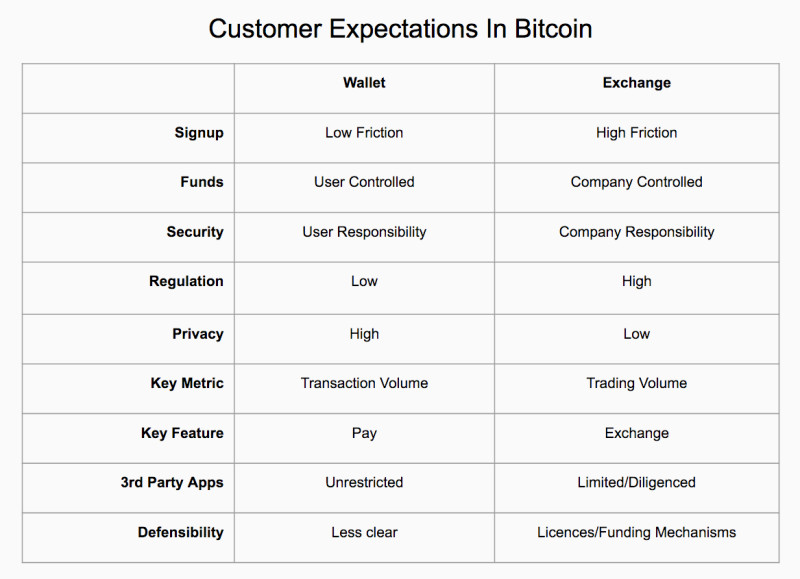
Direct exchanges give you the most control. You buy coins and can transfer them to your own wallet. Broker apps like Robinhood or Webull are easier on the surface but may not let you withdraw the actual coins - you're stuck with an IOU.
Payment platforms like PayPal and Venmo now let you buy Bitcoin, Ethereum, and a few others. Convenient, but again, custody is with the platform. You don't control the private keys.
Platform features to compare before you buy
- Available coins and supported account types : Not every platform lists every coin. Check what you want to buy is available.
- Fee structure : Trading commissions, spreads, markups, withdrawal fees. These add up fast if you're active.
- Transferability : Can you move your coins to an external wallet? This is critical if you want real ownership.
- Security features : Two-factor authentication, cold storage, insurance coverage, withdrawal limits.
- Withdrawal options and timing : How fast can you get money in and out? Some platforms freeze funds for days.
- Tax reporting : Does the platform help with recordkeeping? This gets messy fast if you're on your own.
Not your keys, not your coins. Exchange or app functionality must be checked before purchase.
Most major platforms now offer crypto buying, but fees vary wildly. Some charge 0.5%, others hit you with 3% or more plus spread markups. Read the fine print before you fund an account.
Coinbase was the big US-based exchange for years, though its standard fees were on the higher side. Figuring out how to invest crypto coin purchases means understanding that you're paying for convenience if you stick with the easy-to-use version.
Robinhood lets you trade without trading fees, but it routes orders for payment and historically didn't let you withdraw actual coins. Webull included a 1% markup. PayPal and Venmo covered the same four coins with similar fee structures. Convenience costs something.
Bank transfers (ACH) are usually cheapest for funding. Wires cost more. Credit cards cost the most and can trigger cash-advance fees. Give your deposits time to clear before you start trading.

Start small. Seriously. Test the platform with a few dollars before you put in real money. Make sure buying and selling work, that you can transfer out, that everything feels solid. Crypto doesn't forgive mistakes - lost passwords, sent-to-wrong-address, and irreversible transactions mean you need to know what you're doing before you scale up.
Retirement Accounts and ETFs
You can get crypto exposure in retirement accounts too. Options include self-directed IRAs or 401(k)s, employer plans that added crypto allocations, and spot Bitcoin ETFs that trade like stocks in regular brokerage accounts.
A self-directed IRA (or SDIRA) lets you hold crypto directly in a tax-advantaged account. You open it through a custodian that handles digital assets. The catch: you usually can't hold the private keys yourself. The custodian controls them. That's by design - retirement accounts have strict rules about self-dealing and prohibited transactions.
Crypto inside an IRA may avoid the capital-gains tax that would apply in a taxable account. An individual only pays income tax when withdrawing from the IRA.
Tax treatment depends heavily on the account type and structure. Some claim tax-free growth in a Roth IRA. Others point to complicated reporting requirements, required minimum distributions, and the risk of disqualification if you mess up the rules. The tax benefits are real, but they come with strings attached.
Spot Bitcoin ETFs are simpler for most people. You buy shares through a regular brokerage, no special account needed. But you don't own the actual Bitcoin - you own shares of a fund that holds it. That's easier, but you're trusting the fund manager and the custodian too.
Ways to hold crypto in retirement
- Self-directed IRA or 401(k) : Buy coins directly through a specialized custodian. More control but more rules and higher fees.
- Employer-sponsored plan with crypto : Some 401(k) providers now allow crypto allocations. Limited choices, comes down to what your employer set up.
- Spot Bitcoin ETF : Buy ETF shares in a regular brokerage. No wallet management but also no direct coin ownership.
- Crypto-themed funds : ETFs holding crypto stocks or companies, not the coins themselves. Different risk profile entirely.
These are source claims, not a general guarantee. The same material notes that a custodian must report fair-market value annually.
Whatever route you choose, check fees carefully. Custodians, exchanges, and fund managers all take cuts. And make sure you understand what happens if the custodian fails or goes bankrupt. Your coins might be stuck in limbo.
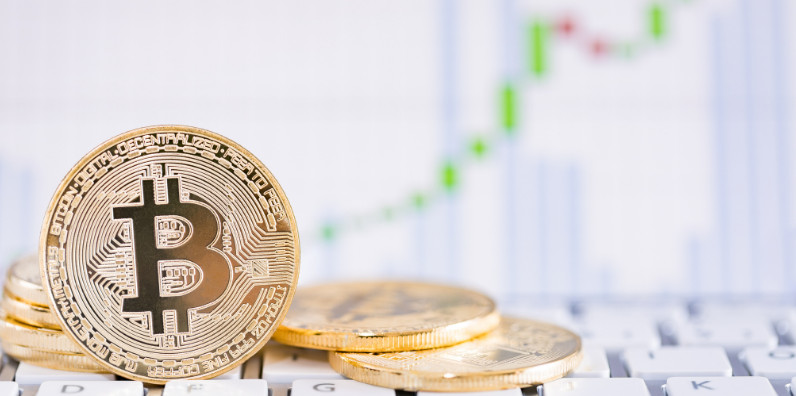
Custody and Security
Your crypto exists only as data - a private key that proves you own it. Lose that key and you lose everything. There's no reset button, no customer service that can restore access.
Wallet options fall into two buckets. Custodial wallets are managed by exchanges or platforms - they hold your keys for you. Easier, but you're trusting a third party. Non-custodial wallets put your keys in your hands - more control but more responsibility.
Hardware wallets (like Trezor or Ledger) store keys offline, safe from hackers unless they physically steal your device. Paper wallets and mobile apps work too, but they're more vulnerable. The golden rule: if you don't control the private key, you don't really control the crypto.
Main security risks to watch
- Lost keys or seed phrases : Forget your password or lose your recovery phrase and your coins are gone forever.
- Hacks and phishing : Fake emails, websites, and support scams trick you into handing over keys or signing bad transactions.
- Exchange failures : Exchanges can get hacked, freeze withdrawals, or even steal customer funds.
- Malware and compromised software : Keyloggers and infected apps can capture your keystrokes or drain your wallet silently.
Back up your seed phrase. Write it on paper and store it somewhere safe. Consider splitting it across multiple locations. Don't screenshot it, don't email it, don't store it in the cloud. Treat it like the only copy of a valuable document.
Test recovery before you need to. Seriously. Transfer a small amount to a new wallet, wipe your device, recover from your backup. If you can't get back in, you've got a problem while you still only lost a few dollars instead of your life savings.
Major Risks to Understand
Crypto isn't just volatile. It's a different kind of risky.
Risks that come with crypto investing
- Market risk : Prices swing wildly with no underlying earnings to anchor them. A coin can go from $1 to $0 overnight.
- Regulatory risk : Governments can ban trading, restrict banking access, or suddenly treat tokens differently for tax purposes.
- Technology risk : Blockchains can crash, get hacked, or have critical bugs that threaten the whole network.
- Liquidity risk : Thinly traded coins can be nearly impossible to sell at a fair price when markets turn.
- Scam risk : Fake exchanges, rug pulls, impersonation scams, and fraudulent projects are everywhere in crypto.
- Competition risk : A better coin could replace today's winner. Being first doesn't mean staying first.
Even a correct long-term thesis can be undermined if the investor cannot tolerate large interim losses.
Bitcoin alone uses more electricity annually than many countries. Some projects claim eco-friendly alternatives, but energy consumption is still a major concern for regulators and environmentalists. A shift in policy could hit prices hard.
New coins constantly launch claiming to solve problems Bitcoin or Ethereum can't. Some succeed. Most don't. Substitution risk is real - there's no guarantee today's winner stays on top tomorrow.
Tax time is a headache. Every sale, trade, and conversion might trigger a taxable event. Did you buy a coffee with Bitcoin? That's a taxable barter transaction. Forget to track cost basis? Now you owe taxes on theoretical gains and can't prove what you paid originally.
Getting Started the Right Way
Before touching real money, learn the technology. Understand what makes Bitcoin different from Ethereum. Know the difference between a coin and a token. Learn about wallets, private keys, and blockchain confirmations. If you can't explain it simply, don't invest yet.
Set your financial boundary first. How much can you lose without changing your life? That's your ceiling, and honestly, you should start well below it. Don't rationalize borrowing money or using rent cash - the market can stay irrational longer than you can stay solvent.
Learning how to start crypto investment properly means treating it like what it is: a high-risk, speculative bet, not a retirement plan. Build your financial base - emergency fund, 401(k) match, Roth IRA contributions - before you think about throwing money at coins.
Steps to make your first crypto purchase
- Understand the technology : Know what a coin does, how the network works, and whether the token actually captures value from that activity.
- Decide your budget : Pick an amount you can afford to lose completely without affecting your life.
- Choose a market-cap category : Large-cap for stability, mid-cap for growth with risk, small-cap for speculation.
- Pick a platform : Compare fees, available coins, withdrawal options, and security before funding an account.
- Verify your identity : Complete registration and enable two-factor authentication on everything.
- Fund carefully : Use the cheapest transfer method. Avoid credit cards unless you understand the cash-advance risk.
- Buy small : Test with a tiny amount before committing real money.
- Set custody : Decide between keeping it on the exchange or moving it to your own wallet.
If all available money is needed for bills, retirement, an emergency fund, or another near-term goal, do not buy cryptocurrency.
Once you've got your first coins, resist the urge to watch price charts every hour. Set a target allocation - maybe 1% to 5% of your investable assets - and stick to it. When crypto gets bigger, sell some. When it crashes, maybe buy a little more if you still believe. But stay disciplined.
The question of how to invest crypto currency rationally comes down to one thing: only risk money that won't keep you up at night wondering what went wrong. The people who made life-changing gains in crypto weren't necessarily smarter than the people who lost everything. They just got lucky with timing.
That luck won't repeat for most of us. So manage risk like it's the only thing that matters - because in crypto, it absolutely is.
Tax Considerations
Holding crypto doesn't trigger taxes. Selling it does, whether you get cash or trade it for another coin. The IRS treats crypto as property, not currency. That means every sale is a potential taxable event, and you owe tax on the gain even if you never withdrew money to your bank.
Short-term gains (held under a year) get taxed as ordinary income. Long-term gains (held over a year) get preferential rates. But unlike stocks, you can't offset losses with a quick buyback - the wash-sale rule doesn't apply to crypto. Sell at a loss, buy back immediately, use that loss against gains elsewhere.
Retirement accounts can defer or even eliminate taxes, but rules get complicated. Required minimum distributions, prohibited transactions, valuation requirements - one mistake and you could lose the tax-advantaged status of your whole account. The paperwork is brutal.
Most platforms provide transaction history, but it's rarely clean enough for tax software. Track everything yourself. Date, amount, fair market value at the time of purchase, cost basis. Do this consistently or you'll be cursing at your computer in April with hundreds of trades to reconstruct.
Common Beginner Mistakes
I've seen the same patterns play out over and over. Picking the best crypto to invest in sounds simple, but beginners consistently make choices that lock in losses before they even understand what happened.
First mistake: going all-in on day one. You read one article, see the price chart, and convince yourself you "get it now." Don't. Start with 1% of what you eventually plan to invest. Learn the ropes with skin in the game but no real risk.
Second mistake: chasing meme coins and hype. Dogecoin, Shiba Inu, whatever's trending on social media - these are lottery tickets with slightly better branding. You're not investing; you're gambling with extra steps.
Third mistake: ignoring security. Buying on Coinbase and leaving six figures there because you don't want to deal with wallets. When the exchange gets hacked or freezes withdrawals during a crisis, you'll wish you had learned about private keys earlier.
Fourth mistake: treating crypto like a get-rich-quick scheme. If you're checking prices hourly, making trades based on tweets, or borrowing money to buy dips - you've already lost. Crypto will extract a toll from anyone who treats it like a casino.
Fifth and biggest mistake: not having an exit plan. Every position needs a reason to buy and a reason to sell. "To the moon" isn't a strategy. Write down what success and failure look like before you invest, and stick to it.
Building Long-Term Conviction
The crypto space moves fast. Coins come and go. Projects change direction. Networks upgrade or hard fork. The only constant is change itself - and the fact that most projects eventually fail or lose relevance.
That's why understanding the thesis behind any investment matters more than following the price ticker. Ask yourself honestly: why does this coin exist, and will people still care about it in five years? Is the problem it solves worth solving at scale? Does the technology actually work, or is it all vaporware promises?
Bitcoin and Ethereum have survived multiple boom-bust cycles and still stand as the two largest networks. They've proven resilient, even if individual supporters wax poetic about their technical merits. Most altcoins haven't demonstrated that kind of staying power.
Serious crypto currency investing means focusing on projects with genuine utility, strong development teams, and real-world adoption. That's boring compared to chasing the next meme coin, but it's also how you avoid losing everything when the hype fades.
Consider dollar-cost averaging instead of timing the market. Invest a fixed amount every month regardless of price. This removes emotion from the equation and averages out volatility. But commit to it for years, not months. Crypto moves in multi-year cycles.
Stay skeptical. Every project promises to revolutionize everything. Most don't even get used by their own developers. The ones that do succeed tend to move slowly and quietly, focusing on solving real problems rather than pumping their token price.
A coin can have useful technology and still lose value.
Diversification matters here too. Don't put your entire crypto allocation into one coin, no matter how convinced you are. Even Bitcoin had extended periods where it underperformed other assets badly enough to test holders' resolve.
Learn to take profits. When a position doubles or triples, sell at least half. Lock in some gains. You can always buy back in if the thesis still holds and the price comes down. Pride and greed are the two emotions that sink most crypto investors.
The Reality Check
Let me be blunt: most people who try to make quick money in crypto end up losing it. The stories you hear about early adopters becoming millionaires are survivor bias. For every success story, there are dozens of people who bought high and sold low, or got caught in a rug pull, or sent coins to a scammer's wallet thinking they were claiming airdropped tokens.
Crypto can be part of a diversified portfolio, but it should be a small part. Most financial advisors recommend 1% to 5% - enough to participate in potential upside without risking your financial future. Anything more starts to look like gambling, not investing.
Ask yourself honestly: are you investing, or hoping? Real investing means doing homework, understanding risks, having a timeline longer than 18 months, and accepting that you might lose money. Hoping means looking at price charts and crossing your fingers.
The technology behind crypto might change the world eventually. Or it might fizzle out like countless previous innovations. Either way, you should only invest money that won't matter if you lose it all. Your future self will thank you for being cautious today.
The smart way to invest cryptocurrency starts with admitting you don't know everything, then learning what you need to know before risking real money. There's no shame in starting small, moving slow, or skipping crypto entirely if it doesn't fit your situation. The market will still be there tomorrow, and probably the day after that.
The recurring warning is that the amount should be small enough to lose without changing the investor's financial life.






Comments on “How to Choose Cryptocurrency, Where to Invest, and What Could Go Wrong”
No comments yet. Be the first to share your thoughts.