How Does Crypto Miner Work
You asked how does crypto miner work. I get it - at first, the whole thing sounds like magic. Here’s the short version: miners use computers to validate crypto transactions and append them to a public ledger anyone can inspect. They earn newly minted coins as payment for that work. That’s how new supply enters the system.
The long title of this post is How Does Crypto Miner Work: A Simple Breakdown for Beginners. I’m keeping it plain on purpose. No fancy talk, no bank terms. Just the steps and the gear, so it clicks. Ever wondered why your Bitcoin send takes a few minutes? Miners are the reason.
What Crypto Mining Does
At its core, crypto mining is how many blockchains stay secure and operational. Some chains skip mining entirely - they use different mechanisms to agree on truth. The ones that do need mining use a method called Proof-of-Work. Miners take transactions from users and bundle them into blocks that link together.
They also prevent double-spending - someone trying to spend the same coin twice. In a traditional system, a bank stops that. Here, miners validate the ledger and only let legitimate transactions through. This is what mining cryptocurrency actually means in plain words: helping the network trust the counts without a central authority.
Crypto mining is the virtual analogue of gold mining - not pickaxes in the ground, but computers solving problems.
Think of it like a race. Many miners compete to solve a hard math puzzle derived from the block data. The first to solve it gets to add the block and earns coins. This keeps the chain moving and honest, and stops any single person from lying about who owns what.
When you send crypto to a friend, that transaction joins a queue. Miners pack them into a block roughly every ten minutes on Bitcoin. The block then needs a seal of proof - that seal is the puzzle answer. Without miners, the network stalls or breaks.
Proof-of-Work Vs Proof-of-Stake
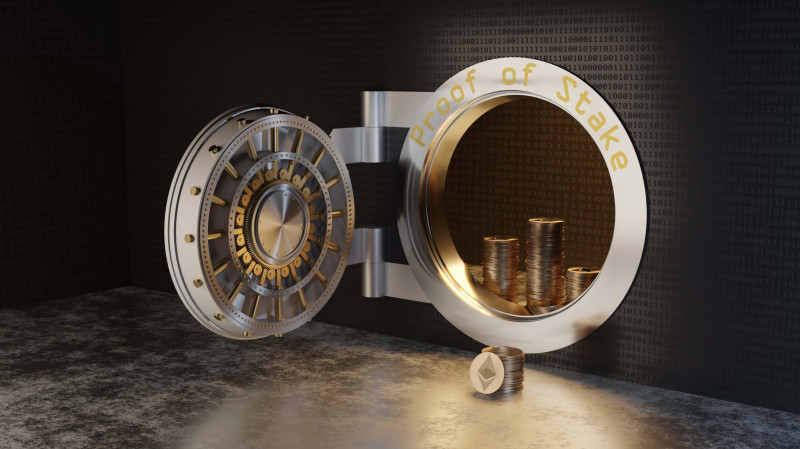
There are two dominant ways to agree on transactions. Proof-of-Work uses mining with heavy computational power - Bitcoin runs on this. Proof-of-Stake uses staking, where people lock up coins to become validators. Ethereum once mined, then switched to staking in September 2022. That’s a well-documented shift.
Back in 2012, Sunny King and Scott Nadal proposed Proof-of-Stake to cut energy use. Peercoin launched in 2013 as the first to use it. Staking has grown since, and Ethereum’s switch brought it mainstream. But mining still powers Bitcoin and others like Litecoin and Kaspa.
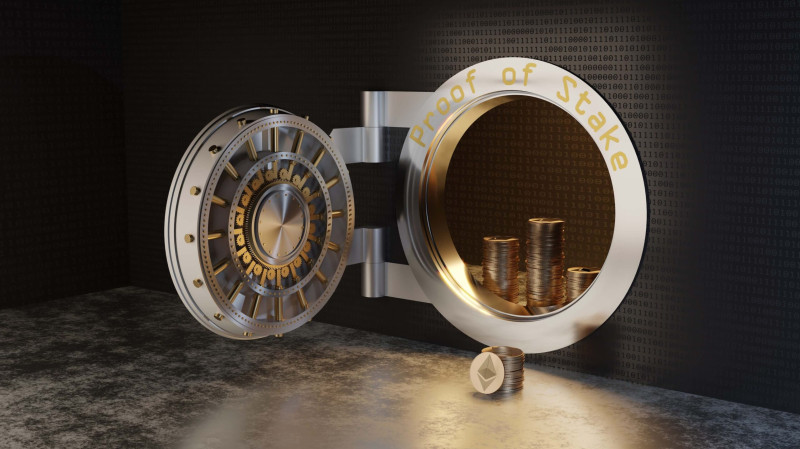
PoW requires miners to solve puzzles with machines. PoS selects validators by chance weighted by their stake size. Both aim to keep transactions true without a central boss. The difference matters for energy draw and the gear you’d need at home.
Steps Of Mining A Block
Here’s how does crypto miner work step by step. First, a user sends coins to another. That transaction hits a queue visible to all. Miners grab batches of transactions and pack them into a block ready for proof.
What happens in the mine
- Users broadcast transactions to the network.
- Miners collect those transactions and group them into blocks.
- Each miner races to solve a cryptographic puzzle.
- The winner broadcasts the solution for verification.
- Other miners verify the solution is valid.
- Once validated, the block joins the chain and the winner earns the reward.
This all runs on Proof-of-Work. The more computational power you have, the better your odds. That power is called hash rate. It’s why a good ASIC crypto miner matters when you want to compete.
The more processing power a miner controls, the greater their chance of winning the race to validate a block.
On Bitcoin, each block holds about 1 MB of transaction data and takes roughly ten minutes. You typically wait for six confirmations - about an hour - before a transaction is rock solid. Behind that wait, miners are racing to seal your block.
The Hash Puzzle And Nonce
The puzzle centers on finding a special number called a nonce. A miner takes the block data, adds a nonce, and hashes it with SHA-256. The resulting hash must start with many zeros - a long string of nothing.
Because hash output appears random, finding the right nonce takes many attempts. Change one bit and the hash flips completely. The network sets how many zeros are required to keep block time near ten minutes. That target adjusts as miners join or leave.
When a miner finds it, they broadcast. Others verify quickly by re-hashing. Then the block is set in stone. This is the heart of how does crypto miner work at the math level - and it makes faking a block cost more than it pays.
From CPU To ASIC Gear
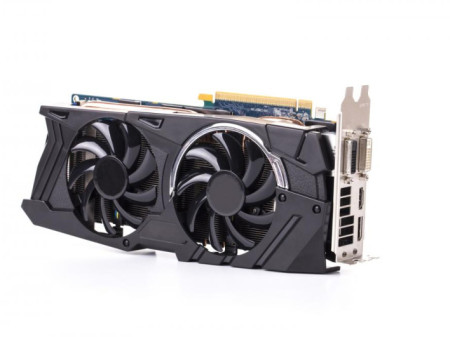
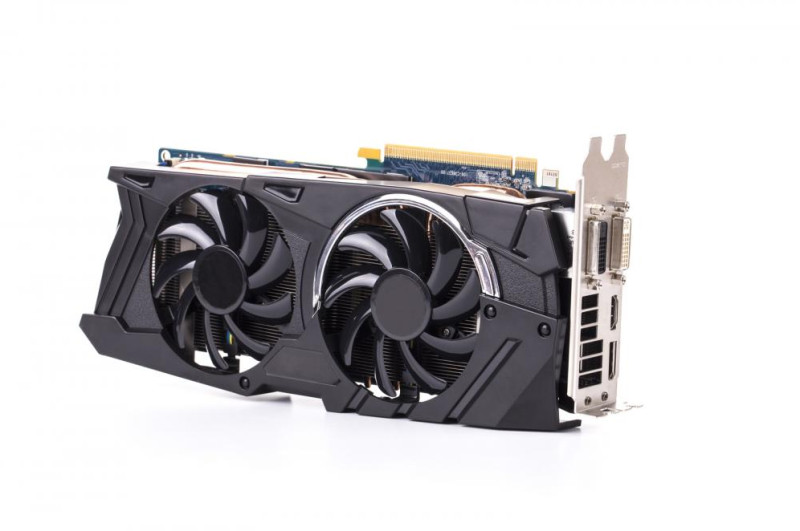
Early on, you could mine Bitcoin on a home CPU. Those days are gone. Difficulty rose, and GPUs took over for a while. People hunted for the best mining GPUs to stack rigs and boost speed.
Today, ASIC machines rule. They’re built for one algorithm only - like SHA-256 for Bitcoin. They blow past GPUs in speed and efficiency. Cloud mining lets you rent rigs from a company, but it’s hands-off and can hide costs.
Ways to mine
- CPU mining: slow; not worth it for major coins today.
- GPU mining: requires cards and cooling; less competitive than before.
- ASIC mining: the main choice - fast but pricey and loud.
- Cloud mining: rent power from a company; less control.
If you want a cheap crypto miner setup , small home ASICs exist. But check power and noise before you buy. A gaming GPU can technically mine, but profit is thin for most coins now.
Mining Pools
Total network hashrate is massive - measured in hundreds of millions of terahashes per second. A single ASIC has a tiny chance to find a block every ten minutes. So miners join pools to smooth their pay.
Pools are groups of miners who act as a single miner on the blockchain network.
This yields steady pay instead of rare big wins. Most software connects to a pool. You can find pools on sites like CryptoCompare. Even crypto mining companies in the USA run big pools you can join with a few clicks.
When the pool finds a block, it splits the reward by the work each miner contributed. That way a small home rig still gets a slice. It’s the normal path for most people now.
Home Mining At Your Place
You can run a miner at home today. Small ASICs made that possible. Models like the Iceriver AE1 Lite or Goldshell E-AE1M are easy to set up. They run specific algorithms only - like zkSNARK for Aleo.
Setup demands care. Power circuits must handle the draw. Ventilation keeps heat down. Noise under 55 dB is fine - like conversation in a room. A wired internet link is best, since Wi-Fi can drop.
Home rig needs
- Power supply: up to 1200W on a house circuit; more needs a dedicated line.
- Ventilation: keep air moving; avoid closed boxes and heat buildup.
- Noise: a single unit is fine; many get loud fast.
- Internet: solid Ethernet; low data use under 50 MB daily.
- Safety: no flames nearby; check cables; unplug before fixing.
Example gear: the Iceriver AE1 Lite does 300 MH/s at 500W and 45dB. The Goldshell E-AE1M does 230 MH/s at 2000W and 50dB. The Avalon Q does 90 TH/s at 1674W for Bitcoin. A well-picked machine with cheap power can net $100 to $300 a month.
Coins You Can Mine
Choosing a coin depends on profit. Bitcoin remains a top pick due to steady price. Aleo and Dogecoin give good home returns. Each coin uses an algorithm: Bitcoin SHA256, Litecoin Scrypt, Monero RandomX, Raven KAWPOW.
If you’re after the most profitable crypto to mine , watch coin price, network difficulty, and machine power draw. An ASIC crypto miner for SHA-256 can do Bitcoin, but not Aleo’s zkSNARK - so match gear to coin.
Common coins and algos
- Bitcoin – SHA256 – ASIC
- Litecoin – Scrypt – ASIC
- Monero – RandomX – CPU/GPU
- Raven – KAWPOW – GPU
- Aleo – zkSNARK – ASIC
Some coins aim to be ASIC-resistant - they want regular GPUs or CPUs to keep it fair. But the trend pushes toward specialized gear as more people join the race.
Staking As A Different Path
Not all chains mine. Proof-of-Stake chains like Ethereum use validators who lock up coins. They’re picked by chance to add blocks. If they cheat, they lose stake. This uses far less power than mining.
You need 32 ETH to stake solo on Ethereum. Smaller holders delegate to others. Rewards vary: ETH around 3.6%, Cardano about 4.6%. It’s a calmer way than loud mining rooms, but it doesn’t use the same gear.
PoS uses staking and random selection; PoW uses mining with a computational puzzle.
Staking still pays for securing the chain. Good to know both, since the question how does crypto miner work only covers the PoW side. Many new coins pick PoS to avoid energy heat.
Costs And Risks
Mining isn’t a get-rich-quick scheme. Power bills are the big cost. A 600W rig uses 14.4 kWh a day. At ten cents per kWh, that’s $1.44 daily. Coin price swings hit hard in cold markets - Bitcoin may drop while power stays high.
Legal facts differ. China banned mining in 2021. US and Canada are friendlier. Taxes apply when you receive coins as pay. The IRS ruled in Notice 2014-21 that mined coins count as income at fair value when received.
Energy use draws fire from green groups. Bitcoin still gets flak for carbon, but its use is mostly payments. Keep these in mind before spending on gear. A bad power deal can sink profit fast.
Meaning Of Mining In Plain Words
So what mining cryptocurrency means to a normal person? It’s running a computer that checks and stamps transactions on a public ledger. You help stop fraud and earn coins for it - like a paycheck for guard duty.
No boss dictates the ledger. Many miners race, and the network trusts the winner. That’s the simple core of how does crypto miner work - and why your send waits for confirmations.
Software And Apps
To mine, you need a program. For ASICs, CGMiner is common. For GPU rigs, EasyMiner. People also search for the best crypto mining software to fit their rig and pool.
Phones are weak. iPhone crypto mining isn’t real profit - it just drains battery. Still, folks look for the best crypto mining app out of curiosity. And apps to mine cryptocurrency are often just pool logins, not true miners.
Each entry in the competition costs a bit of computing power. A miner’s chance of winning is roughly equal to the proportion of total computing power they control.
Most modern machines come preconfigured. You plug in, connect to internet, and pick a pool. No deep tech skill needed for basic home mining. That lowers the bar for regular folks.
Final Notes On The Network
Bitcoin produces a block every ten minutes. The reward halves every 210,000 blocks - about four years. It started at 50 BTC, then 25, 12.5, 6.25. By 2140, no new BTC - only fees paid by users.
A double spend needs over half the hash power - near impossible for a big chain. Lost keys mean lost coins for good. The ledger is public, so not fully anonymous. That’s the system miners guard day and night.
I hope this clears up how does crypto miner work for you. The topic is deep, but the base idea is a race to trust. Keep it simple, watch costs, and you’ll get it. If you like, start with a small home unit and learn from there.






Comments on “How Does Crypto Miner Work: A No-Fluff Breakdown for Beginners”
No comments yet. Be the first to share your thoughts.