
What A Blockchain Wallet Really Is
When someone asks 'how do i get a blockchain wallet', they're really asking one question: who holds the keys? Think of it like a physical wallet. You carry some cash in your pocket, keep some in a bank, stash some in a safe. Crypto works the same way. You can store coins, NFTs, or stablecoins on an exchange, in a wallet app, or on a hardware device. The big idea is ownership. There are 150+ wallets in the market - custodial and non-custodial, hot and cold. Picking the right one is the difference between safety and total loss.
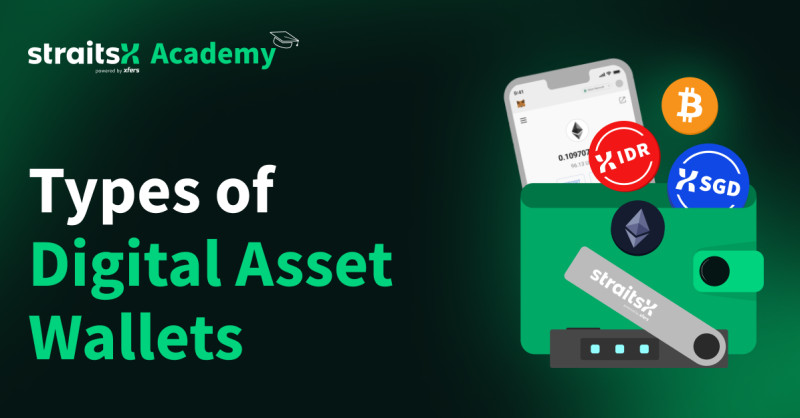
A wallet does more than store value. It lets you send and receive assets with a few taps. It lets you interact with DeFi protocols and blockchain apps. Platforms get hacked. Your own wallet gives you control. It's like holding your own cash instead of trusting a stranger to mind it. This is step one in the owner's manual for your keys.
Keys And Addresses Made Simple
Every wallet ships with a private and public key pair. Your public key is your wallet address - like a bank account number you can share. Someone wants to send you tokens? Give them that. Your private key is the password that opens the wallet. One watch-out: make sure the wallet supports your chain and coin. Send to a wallet that can't read them, and those funds are gone.
Not your keys, not your crypto.
That line sums up the split between wallet types. I repeat it every time I set up a new account. If a third party holds your private key, they hold your money - and can block you. That's why founders ask why they need a wallet they control . The answer is simple: you stay in charge of your funds and who moves them.
Custodial Versus Non-Custodial Wallets
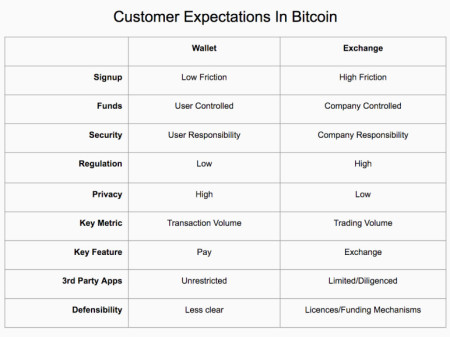
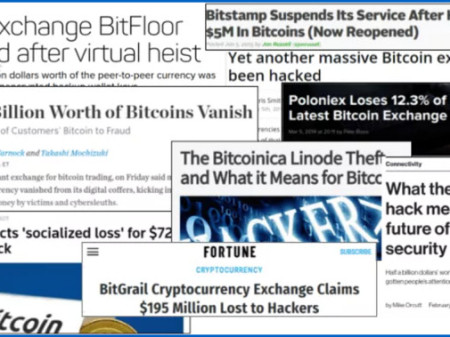
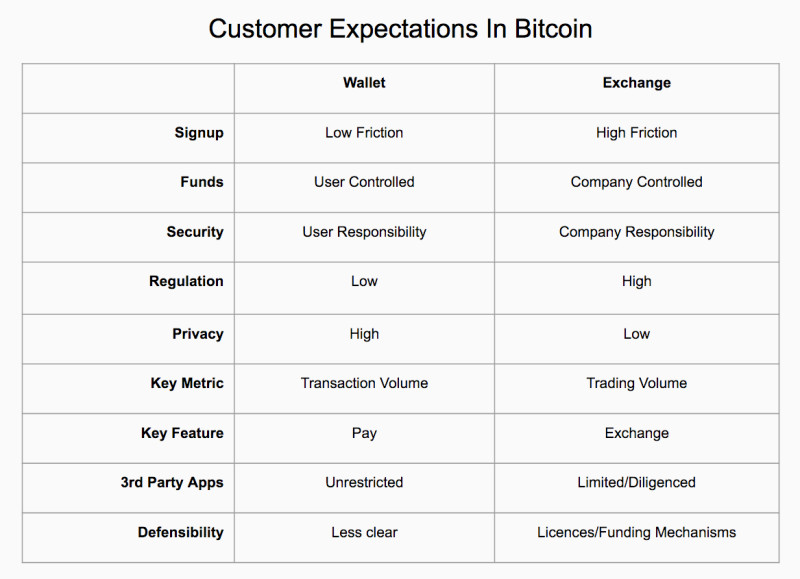
Custodial wallets are where you don't own your keys. A company manages them behind the scenes. Easy for beginners, often bundled with exchanges. But if that provider gets hacked, your assets are gone with little recourse. Privacy and security take a hit because someone else sees your activity.
Non-custodial wallets give you the keys and full control. Advanced users prefer them for direct DeFi access and signing their own trades. The tradeoff: you alone handle security and backup. Lose the keys, money gone for good. No holding or withdrawal fees is a plus, but support is limited when you get stuck.
Quick compare of wallet types
- Custodial: third party holds keys, easy setup, hack risk
- Non-custodial: you hold keys, full control, no holder fees
- Custodial: often bundled with exchange, friendly UI
- Non-custodial: needs tech know-how, limited help if stuck
When I evaluate a top crypto wallet , I weigh control against ease of use. A decentralized wallet means I sign my own trades and see every fee. That fits the owner's manual for how do i get a blockchain wallet without giving up power. You pick what matches your risk appetite.
Hot And Cold Wallets
The difference is internet connection. Hot wallets stay online for quick trades. They're apps on your phone or computer for immediate access. PINs and 2FA help, but being online makes them vulnerable to remote attacks.
Cold wallets stay offline, secure from cyber threats. Keys sit on paper or hardware, not tied to the web. Good for long-term savings. Paper wallets appeared in 2011, faded by 2016 - just paper with two QR codes. Hardware like Ledger Nano X and Trezor Model T are popular now; you approve trades on the device itself.
If you want a crypto wallet with zero fees , non-custodial cold storage fits. No holding fee, keys offline. For a cryptocurrency wallet canada user or anyone else, the steps are identical regardless of location. Keep it offline, cut hack risk dramatically.
Seed Phrases And How To Keep Them Safe
A non-custodial wallet gives you a seed phrase - 12, 18, or 24 plain words representing your private key. Easier to write down than a long string of characters. Lose it, and your coins are gone forever. No reset button. Store it safely before you put money in. I can't stress this enough.
Ways to store your recovery seed
- Steel capsules: cheap, portable, near indestructible, some card-shaped
- Safe deposit boxes: rented at a bank for offsite storage
- Offline memory device: SD card, USB, SSD, CD kept off the web
- Scatter parts in different places for added safety
If you lose access to private keys or recovery seed phrases, you cannot get assets back.
Stefan Thomas lost 7,002 BTC because he misplaced his seed phrase and couldn't recall it. You are the only custodian of that phrase. Full stop. Think about how you store cryptocurrency before you buy any. An edge crypto wallet on your phone still needs a written backup kept separate from the device.
Getting A Basic Non-Custodial Wallet
Some StraitsX partners offer easy wallets for XSGD and XIDR stablecoins. The steps to get your own non-custodial wallet are clear. I walked through them - they work for a regular person with a bank account. You don't need a technical co-founder to claim ownership of your crypto.
Steps to your first non-custodial wallet
- Sign up for a StraitsX Personal or Business Account
- Upload documents to verify your identity as required
- Transfer in from your bank to mint XSGD or XIDR
- Create wallet with partners to transfer out your coins
- Connect to DeFi partners like DFX, Uniswap, Zilswap to swap
High-net-worth folks can use an OTC desk for deep liquidity and block trades. But for most, the steps above are enough. That's a solid answer to how do i get a blockchain wallet without writing code. You get a wallet that you - and only you - control.
You might also look for a crypto wallet with the lowest fees . Non-custodial options often have zero holding or withdrawal fees. That saves you versus custodial plans that charge provider fees. Read the fine print before you commit.
Setting Up An Ethereum Wallet
For Ethereum-based assets, you can use the Ethereum Wallet multi-platform app. It sends ether and Ethereum-based tokens, and can create and run contracts. Setup is plain enough for a first-timer who reads slowly. Most contracts cost less than a tenth of a US penny to run.
Ethereum wallet setup steps
- Download the latest version of the Ethereum Wallet app
- Create an account with a strong password to get started
- Get some ether; testnet mining gives free test coins to learn
- Use AlethOne miner on GPU for live network if you choose
On testnet, switch to Morden and mine to get pennies of ether for tests. On mainnet, a friend or exchange can send you some to fund the account. This builds your blockchain account step by step. A google crypto wallet that holds keys for you misses the point of self-control and ownership.
Making A Starknet Wallet
Starknet is a layer 2 network that scales Ethereum using zero-knowledge proofs. It processes trades off-chain, bundles them into a proof verified on Ethereum, cutting congestion and fees. To set up a Starknet wallet, install Braavos or Argent as a browser extension. Know Ethereum basics and hot vs cold wallets first.
Starknet wallet high-level steps
- Set up Ethereum wallet like MetaMask via exchange such as Binance
- Deposit ETH to that Ethereum wallet as base funds
- Set up Starknet wallet and fund via StarkGate bridge or on-ramp
- Use Banxa or Ramp to fund directly if you prefer
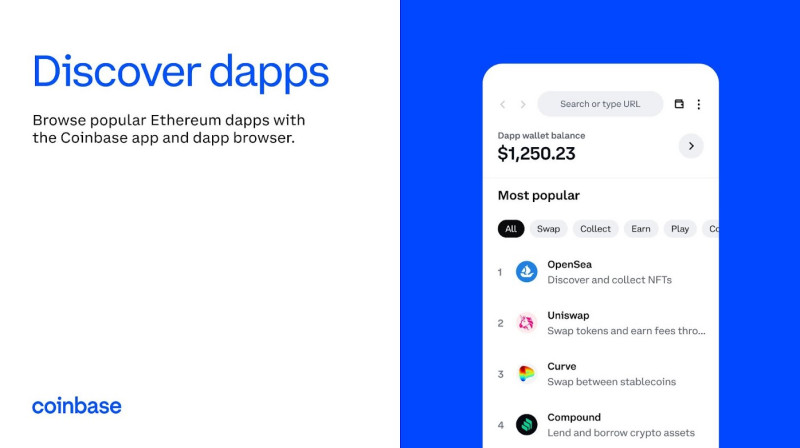
You can also use MetaMask Snap for Starknet, but it's beta and only handles layer 2 funds. After setup, swap tokens on JediSwap by connecting and signing. Always check URLs and beware fake sites. Enable 2FA or hardware signers where possible.
Research dApps before interacting, verify URLs and transactions, beware scams.
This part of how do i get a blockchain wallet touches advanced tools and bridges. If you're new, go slow and use small amounts first. The bridge charges a small gas fee on Ethereum once to deploy your account, then it's cheap.
Creating A Bitcoin Wallet
Bitcoin uses elliptic curve cryptography with a specific curve to generate keys. You can generate keys from scratch in code, use a software client, or use an exchange. On testnet, a faucet gives you test BTC to play with. On mainnet, Coinbase creates a wallet when you buy BTC with dollars.
Bitcoin key facts
- Private key is random integer less than the curve order n
- Public key is point on curve from private key times G
- Address uses hash and checksum, base58check encoded
- Tangem makes hardware wallets for Bitcoin, Ethereum, Solana, XRP
A Tangem hardware wallet holds many coins and gives non-custodial control. It's not a regulated financial provider, but the device keeps keys offline. For me, the owner's manual means I hold the seed, not them. You can also use paper or software clients if you learn the math.
Multisig Wallets For Shared Control
Multisig wallets remove the single point of failure of one key. They need M of N keys to sign a trade before it executes. A 2-of-3 setup might split keys between you, a safe, and a service. This avoids one person getting arrested and freezing funds - like the OKEx halt showed.
Ways to make a multisig wallet
- Pair hardware wallet with Electrum or Specter free platforms
- Use service like Casa or Unchained Capital with onboarding
- Mobile multisig via Electrum, BitPay, BitGo, BTC.com apps
- Always pair mobile with hardware for greater security
Organizations should use multisig for group funds to avoid single key loss. It answers why you need a wallet with shared rules with backup. A single key is brittle - it can break your whole stash. Spreading trust makes sense.
Onboarding Hurdles In Crypto Apps
Typical blockchain app onboarding is rough for normal users. Install MetaMask, make keys, do KYC on Coinbase, wait days, buy ether, transfer, then interact. Games report 95-97% drop-off during this flow. That's a lot of frustrated walk-aways.
Common barriers
- Need to install browser plugin or wallet app to start
- Need to grasp public and private key safety basics
- Need to pay gas for each transaction on chain
- Waiting days for identity checks cuts momentum

Some protocols like NEAR use progressive security to help. You start with a hosted wallet, then move to local keys later. This eases the pain of how do i get a blockchain wallet for newbies who fear tech. But hosted means less control at first - plan to upgrade.
Safety And What To Avoid
Never lose your recovery seed phrase once you write it. Store it on steel, in a box, or on offline media. Scatter parts if you want extra caution. Custodial wallets can be hacked - remember the tag line about keys and ownership.
Safety checklist
- Verify dApp URLs and transactions before you sign
- Use multisig for group or org funds to spread risk
- Enable 2FA, hardware signers, wallet shields on Starknet
- Testnet faucets are for testing only, not real money moves
Custodial wallets: third-party can be hacked; "not your keys not your crypto".
Straight talk: don't skip seed safety or you'll regret it. A crypto wallet with zero fees won't help if you lose the phrase that opens it. This is the core of the owner's manual for your keys and the answer to safe storage.
Other Wallet Choices And Partners
StraitsX partners support XSGD and XIDR stablecoins with easy wallets. Ledger Nano X and Trezor Model T are cold wallets; Ledger works with StraitsX for those coins. Tangem covers many coins via hardware and software. Ethereum Wallet handles ETH tokens. Braavos, Argent, MetaMask Snap serve Starknet users well.
If you search for a cryptocurrency wallet canada or elsewhere, these names pop up as solid picks. The best pick depends on your chain and comfort with tech. A top crypto wallet for one person may be wrong for another - read up. Keep it simple and owned by you.
Having your own wallet allows better security and control, like having full control over cash in a physical wallet.
That's the whole point of how do i get a blockchain wallet. You claim the keys and the responsibility that comes with them. I hope these notes help you start your setup with confidence and calm.




Comments on “How do i get a blockchain wallet: The founder's manual for owning your keys”
No comments yet. Be the first to share your thoughts.