
Investing in Cryptocurrency: Gains, Risks, and How to Stay Safe
Cryptocurrency can give you exposure to a new network, small purchase amounts, and a market that runs day and night. It can also lose most or all of its value. If your question is how to invest cryptocurrency , the answer starts with what you can afford to lose, not with a search for the coin with the biggest price chart. I would keep money needed for bills and emergencies out of this market.
The basic picture
- Bitcoin’s network began in 2009 after its white paper appeared in 2008.
- Crypto markets trade 24 hours a day, seven days a week.
- Many platforms let you buy a small part of a coin instead of a large amount.
- Crypto usually does not pay dividends, interest, or rent while you hold it.
- An exchange, wallet, private key, or network can fail even when the blockchain still works.
Before investing cryptocurrency, decide how much you can lose without hurting your life. That amount may be very small, or it may be zero. A fixed amount can help you learn without turning every price swing into a crisis.
How cryptocurrency records money
Cryptocurrency is a network-based digital currency. Its network does not rely on one bank or government to keep it running. A blockchain acts as a shared record book, storing transaction data across many computers. Once a record is added, it cannot simply be erased by one person. Bitcoin began its network in 2009, and Ethereum is another well-known crypto project.
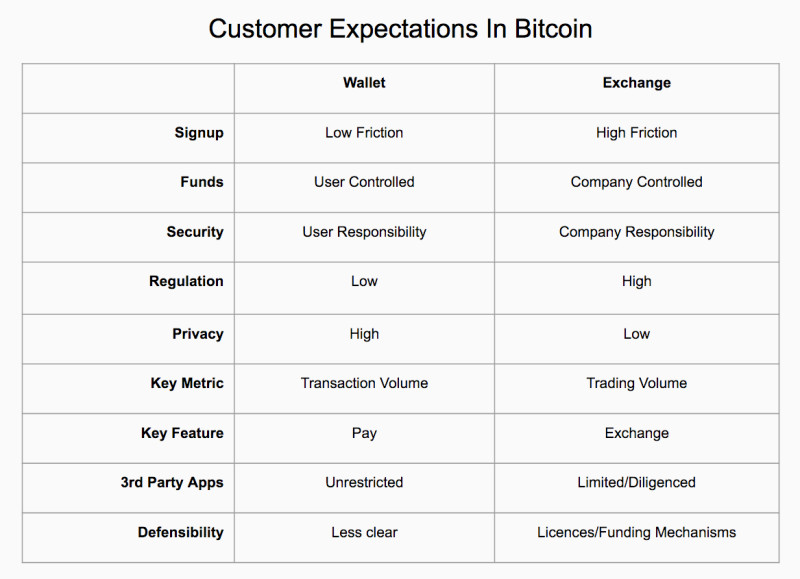
Think of the blockchain as the receipt book and the exchange or wallet as the doorway. The blockchain records a transfer, while a platform lets you buy, sell, or control the asset. Most buying and selling still happens through online exchanges, which are run by companies and carry their own risks.
Why investors expect gains
There is no dependable shortcut for how to get rich from crypto . Prices rise when demand grows, adoption spreads, scarcity seems important, or buyers become more excited. They can fall when those same things weaken. News, rules, and guesses about future demand can move a market faster than any one fact.
Trees don’t grow to the sky.
That warning matters because a huge gain can vanish. Ethereum roughly doubled from July through December 2021, then later fell more than 70% from its year-end level. Crypto also lets people buy small amounts and trade across time zones. Those are real benefits, but they do not decide whether the investment will work.
Why crypto prices move so much
Crypto markets are smaller than many old financial markets and depend heavily on attention and expectations. A token can jump because one social post, business decision, or policy signal attracts buyers. It can collapse just as fast when that interest fades. Crypto’s speed is useful for trading, but it also gives panic and hype more room to run.
Core crypto risks
- Price swings can turn a large gain into a deep loss.
- A project, exchange, stablecoin, or lender can fail and take customer money with it.
- Crypto has a short record compared with stocks, bonds, gold, and real estate.
- Countries differ on mining, trading, taxes, custody, and the legal status of digital assets.
- A network can run while one of its exchanges or key service providers fails.
- Network limits can cause slow transfers, high fees, or blocked access during heavy demand.
- A faster or cheaper network could take users from an older coin.
- A small group may control a meme coin, drive attention, and sell into the buying crowd.
Volatility can also change how you act. Fear of missing out may push you to buy near a high. Fear may push you to sell near a low. A 24-hour market never closes, so the chance to act does not go away at night or on a weekend.
Why a crypto loss can be total
Crypto has no physical commodity under it and usually produces no cash flow while you hold it. A stock can pay a dividend, a bond can pay interest, and real estate can pay rent. Crypto returns often depend on selling at a higher price than you paid. If demand fades, trust falls, or the project fails, there may be no income to soften the loss.
There is no guarantee that a holder will be able to convert the asset into cash.
A blockchain can prove that a transfer happened without proving that an exchange has enough money to return customer deposits. An exchange may be hacked, shut down, mismanaged, or left with few real assets. Even a recorded wallet balance may be hard to sell if buyers are thin or trading has stopped.
Scarcity, adoption, and outside money
Bitcoin has a supply cap of 21 million coins, and Ethereum also has issuance limits under its protocol. Supporters see these rules as protection against unlimited supply growth. They also compare Bitcoin with gold because it can be divided into small units and moved over the internet. A supply cap does not guarantee a higher price. Demand can still fall.
Adoption can come from users, businesses, payment systems, funds, and national policy. El Salvador adopted Bitcoin as legal currency, while China banned crypto trading and mining in 2021. Those choices show that a borderless network can still meet local law. Wider use by large funds or businesses may support demand, but it does not lock in future returns.
Lower costs do not mean no cost
Crypto usually does not create costs such as property tax, building insurance, tenant care, or repairs. That can make it lighter to own than real estate. A low-cost brokerage account can also be cheap. But “fewer ongoing costs” does not mean “free,” and crypto is not always cheaper than every stock or bond investment.
Costs to count
- Flat or percentage fees for buying and selling
- The bid-ask spread between the buy and sell price
- Bank transfer, card, and currency conversion fees
- Withdrawal fees or charges for moving coins between networks
- Minimum deposits and minimum account balances
- Capital gains tax or other taxes where they apply
- Paid security tools such as a password manager or VPN
- Extra losses caused by spread or fees on many small trades
Small purchase amounts make crypto easier to enter than real estate. Some peer-to-peer services also serve people without a traditional bank account. Many mainstream exchanges ask for a bank link, card details, identity information, government ID, or proof of address. So access without a bank depends on the platform and where the person lives.
How to choose a cryptocurrency
A page that names the best crypto to invest in has skipped some hard work. Bitcoin and Ethereum have longer operating records, broader user bases, more public information, and deeper markets than many newer tokens. That does not make either one safe. An altcoin may cost less and rise faster, but it may also have fewer buyers and collapse sooner.
Questions to ask before buying a coin
- Does the coin support a product, protocol, or network with real use?
- Is demand based on adoption, or mostly the hope of a higher price?
- Who developed the project, and can their history be checked?
- Can you explain how the system works?
- How many coins circulate, and can more be issued?
- How much new supply reaches holders each year?
- Can the coin be sold quickly without pushing its price down?
- Which rules may affect trading, custody, taxes, or the project?
- Are people using the coin as money, collateral, payment, or a store of value?
- Could a protocol update, enforcement action, listing, or project failure hurt holders?
How to invest in crypto coins starts with these questions, not a price chart. A code repository that is rarely updated can be a warning sign, though it does not prove fraud by itself. Meme coins need special care because a few insiders may hold much of the supply and use social media to push the price.
Why a small position can make sense
Good crypto investing starts with position size. Examples in the source material ranged from 1% to 5% of a portfolio, with some people considering more. One plan used 2% for crypto and 98% for index funds. Those numbers were personal choices, not rules for you. A small slice can still cause big changes in a portfolio because crypto prices move by large amounts.
Some smart people will figure out some useful things with crypto, and I do not want my [Fear of Missing Out] FOMO to affect other aspects of my financial plan.
That came from Francis Bayes, whose written plan used a 2% target with buying below 1.6% and selling above 2.5%. In his example, the 2% slice cut one year’s return by 1.05 points and added 1.29 points in another. The exact result will differ, but the point holds: size the risk before you argue about the next price.
Dollar-cost averaging and other buy plans
Dollar-cost averaging means buying at different times instead of making one large purchase. If the price falls, scheduled buys may give you more units at lower prices. This can reduce the pain of choosing one exact day. It cannot remove the risk. If the asset keeps falling, each new purchase may also add to the total loss.
Common crypto buy plans
- Buy once with a fixed dollar amount and hold
- Buy the same amount on a set schedule
- Rebalance when crypto crosses written limits
- Buy and hold through large price moves
- Front-load more only when the extra risk fits a written plan
Each plan has a cost. Trading can create fees and tax events. Buying and holding leaves you exposed for years. Front-loading assumes the asset will deliver more and that the loss will stay within your plan. A schedule is only useful when you keep it when prices turn against you.
Choosing a platform, account, and fee setup
Before you invest cryptocurrency through an exchange, judge the platform itself. A long list of coins or a large sign-up reward does not prove safety. Look for clear security steps, steady operations, honest fees, and support that answers real questions. A famous name in an ad tells you very little.
What to check before depositing money
- The platform’s legal and regulatory status where you live
- How long it has operated and what independent reviews say
- Reports of outages, stolen funds, or blocked withdrawals
- Encryption and two-factor authentication for each account
- Whether an authenticator app is offered instead of SMS codes
- Any cold-storage option and how it works
- Supported coins, cash pairs, and withdrawal methods
- Trading fees, spreads, minimums, and withdrawal charges
- Protection against account takeover and unauthorized withdrawals
- Identity rules, deposit limits, and customer support quality
Most platforms ask for a name, address, email, and sometimes photo ID and proof of address. A bank transfer may cost less than a debit or credit card, but cards can add a higher fee. For beginner crypto currency investing , small costs can pile up through many trades, so check the full cost before depositing.
Wallets, private keys, and device security
A hot or warm wallet stays connected to the internet and makes quick transfers easy. That speed also creates more exposure to hacking and malware. A cold wallet is a standalone device that keeps private keys away from an internet-connected computer. It is often better for long-term holdings, though moving funds can take more work.
Custody and security choices
- Keep only needed trading funds in an exchange or hot wallet
- Use an authenticator app or another non-text code for two-factor login
- Store passwords, recovery codes, and keys in a trusted password manager
- Keep an accurate backup somewhere secure and separate from the main device
- Trade over a secure home network or an encrypted VPN connection
- Use a VPN kill switch if the secure connection can drop
- Replace the default password on the home router
- Run trusted security software on every phone or computer used for crypto
- Check wallet addresses before sending funds
There is no guarantee that a holder will be able to convert the asset into cash.
Self-custody removes the exchange as a custodian, but the owner must handle keys, backups, malware, and transaction mistakes. A lost key with no valid backup can lock funds away for good. A wrong transfer may have no third party to reverse it. Convenience and control are a trade-off, not a free choice.
Fraud signs and stolen fame
Crypto projects can copy the look of a real investment while taking deposits for a fake promise. Fraud often relies on early small payouts, trusted faces, or fear that an offer will disappear. A real return has a source and a risk. If no one can explain where the money comes to, the promise is not enough.
Common fraud warning signs
- Guaranteed or unusually large returns
- No clear source of returns
- An unknown team with no public history
- Famous people shown under names you cannot verify
- A code repository that is rarely updated
- Pressure to send money fast
- A small deposit that supposedly unlocks a larger withdrawal
- Free coins offered in exchange for a deposit or payment
- Little independent information about the project
PlusToken was described as a Ponzi scheme that paid early investors and then failed, leaving most funds unrecoverable. Attackers also compromised social media accounts of famous people and promised to double coins sent to them; one scheme collected more than $100,000 within hours. A celebrity endorsement can also be paid promotion, so it never replaces real checks.
Bitcoin ETFs and old market hours
A Bitcoin ETF gives Bitcoin-linked exposure through a fund that trades on a traditional market exchange. It may remove the need to manage a crypto wallet or private key. A list of crypto ETFs can give you a place to compare account rules and fund details, but the fund does not remove Bitcoin’s price risk.
Direct crypto and ETF exposure
- Direct ownership needs an exchange or wallet and control of private keys
- An ETF is bought through a traditional investment account
- ETF trades follow the hours set by its exchange
- The fund is designed to track the value of the underlying crypto
- The investor does not manage each digital wallet directly
Read the fund prospectus for fees, custody, tracking differences, and tax treatment. Those details vary by fund and place. An ETF can make buying easier, but easier access does not prove the coin will keep its value or repeat past gains. The underlying crypto still carries market risk.
A beginner plan that fits real life
A workable plan ties the crypto amount to the rest of your money. It also sets rules for research, platform choice, custody, and selling before emotion enters the process. You can learn with less money by focusing on one clear market and keeping every other choice simple.
Beginner crypto checklist
- Keep emergency money and near-term bills out of the crypto market
- Choose an amount that could be lost without changing your housing, food, or debt plan
- Start with a liquid asset such as Bitcoin or Ethereum rather than an obscure token
- If you hold several coins, treat them as one crypto risk group
- Check supply, use, team, code, adoption, liquidity, and legal risk
- Compare platform security, reputation, support, fees, spreads, and withdrawal rules
- Use an authenticator app, secure backups, and a protected device
- Keep only needed funds in a hot wallet and move long-term holdings to controlled cold storage
- Reject guaranteed-return offers, celebrity tips, and requests for quick deposits
- Write the target amount, buy schedule, sell limits, and tax questions before making the first trade








Comments on “Investing in Cryptocurrency: Gains, Risks, and How to Stay Safe”
No comments yet. Be the first to share your thoughts.