

What Staking Cryptocurrencies Means
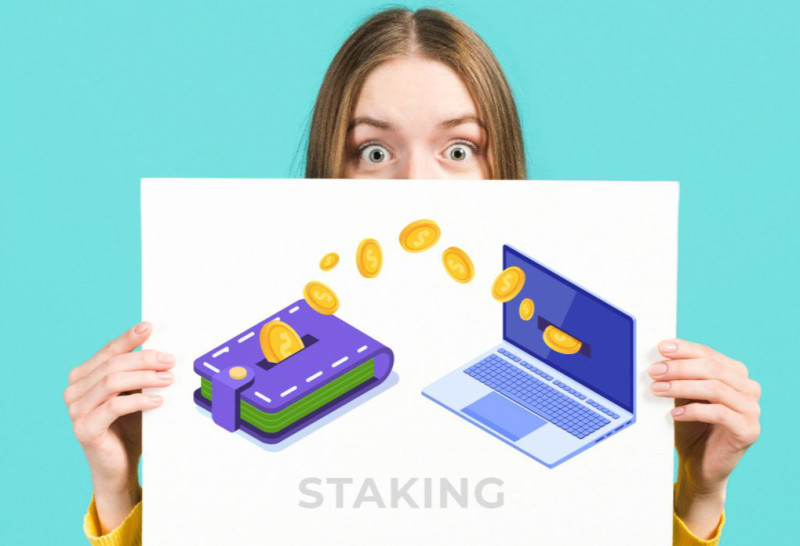
Staking cryptocurrencies is how you put idle coins to work. You lock them into a network to help it run. In return, the network pays you more coins. Think of it as giving your crypto a job instead of letting it sit dead in a wallet. The mechanism comes from Proof of Stake - a system where token holders become validators by locking coins in a staking contract.
The more coins a validator stakes, the higher the odds they’re picked to verify a new block. They earn staking rewards for that work. This keeps the chain safe because cheating means losing your locked coins. Staking cryptocurrencies turns idle holdings into network security and a small stream of new coins. It feels like a fixed deposit at a bank - except the product is blockchain uptime.
Staking ensures the stability and security of a PoS blockchain, as validators risk losing the crypto they've locked in the staking contract if they attempt to behave dishonestly.
Back in 2012, Sunny King and Scott Nadal proposed PoS to fix Bitcoin mining’s power hunger. Peercoin launched in 2013 as the first coin to use staking. Ethereum followed with the Merge in 2022, moving to PoS. Today, staking cryptocurrencies is the default path for holders who want to help a network and earn something back. Smart contracts hold the locked coins and release rewards automatically.
While coins are locked, you can’t sell them. They back validators who verify transactions and add blocks. The reward is paid in the same token - Ether for Ethereum, for instance. That rate shows up as an annual percentage yield (APY), a percent paid per year on the stake. This simple setup is why many see staking as a win-win for user and chain. A smart contract is just code that runs when conditions are met, so the lock is enforced without a bank.
Staking is a lot like the HODL habit - except your coins are tied up and working. Instead of lying dormant, they validate and secure. Some compare it to a fixed-income product like a bank deposit or P2P lending, but the mechanics make it its own thing. I keep a chunk of my PoS coins staked for the slow drip of new tokens.
Proof Of Stake Versus Proof Of Work
Both PoS and PoW are ways to agree on transactions without a bank. They just use different tools. PoW - used by Bitcoin - makes miners solve hard math with heavy machines. PoS - used by Ethereum and others - lets people stake coins to get picked to validate blocks. Staking cryptocurrencies uses far less power and no elite hardware.
How The Two Differ
- Mining capacity: PoW leans on computer power, PoS leans on token amount
- Rewards: PoW pays the puzzle winner, PoS pays those with coins locked
- Network security: PoW needs 51% of computing, PoS needs 51% of coins
- Energy use: PoW burns lots of electricity, PoS is light on power
PoS is energy efficient, doesn't require elite hardware, fares better against centralization, and accelerates scalability compared to the PoW consensus mechanism.
Bitcoin can’t offer staking because it sticks to PoW. Ethereum - the second biggest coin - uses PoS, and that opened the door for staking cryptocurrencies at scale. Hold a PoW coin, you mine; hold a PoS coin, you stake. PoW needs constant gear upgrades; PoS just needs you to hold and lock.
With PoW, the miner who solves the puzzle first broadcasts the block and gets new coins plus fees. With PoS, a validator is randomly chosen by stake size, validates, and earns fresh coins and fees. The penalty for bad acts is slashing - losing locked coins. That built-in risk makes the system self-policing. Consensus just means all distributed ledgers agree on state; PoS reaches it by stake weight.
A consensus mechanism is the method a blockchain uses to reach agreement. PoS requires investors to stake crypto to become validators. Their crypto orders transactions and creates new blocks. PoW can’t enable staking at all. The energy gap is huge: PoW rigs run hot day and night, while a PoS validator can run on a modest laptop.
Validators And Delegators
In a PoS network, there are two main ways to join. Validators run nodes and stake a large amount of crypto as collateral. Delegators (some chains call them nominators) stake smaller amounts and trust a validator to act for them. Both earn rewards when things go right.
Validators face strict rules. On Ethereum, you need at least 32 ETH to be a solo validator - a high bar for many. Delegators can join pools with much less. The threat of slashing keeps everyone honest. Slashing means a cheat or mistake costs part or all of the stake. I find the delegator path a good start for small holders.
Two Main Roles
- Validators: run software, stake collateral, create blocks
- Delegators: lock coins, back a validator, earn a slice
- Nominators: just another word for delegators on some chains
- Slashing: penalty that takes stake for bad acts
When you delegate, you still help the network and learn the ropes without running a server day and night. The validator does the heavy lifting; you share the reward after their cut. This split lets folks with tiny bags join the party. Staking cryptocurrencies opens the door wide for normal users.
Most blockchains set a high minimum to become a validator, but delegators avoid that wall. Having stake at risk on both sides incentivizes good behavior and keeps everyone engaged. Rewards are paid automatically by the blockchain - no paperwork. I like that the code handles payout without a middleman.
How To Start Staking Cryptocurrencies
Getting in takes a bit of homework. First, pick a PoS coin you trust. Read about the team and the use case. Then check the minimum stake needed - Polkadot nominators need at least 502 DOT, for example. Rules differ per chain, so look at the project wiki before sending funds.
Basic Steps
- Choose a PoS blockchain network that supports staking
- Set up a compatible wallet for that network
- Transfer the crypto you want to stake into the wallet
- Follow the network's staking instructions to lock coins
Most networks let you unstake later, but there may be a wait. The lock-up means you can’t sell during that time. Before you invest in cryptocurrency this way, make sure you won’t need the cash soon. I also suggest writing down your seed phrase on paper, not on a phone.
If you want the simplest on-ramp to crypto investing for staking, a bank or broker that offers a service can handle the tech. They take your coins and run the validator side. You just watch rewards show up. Some services let you start with small amounts, far below the 32 ETH solo mark.
You can buy the coin from an exchange, an ATM, a DEX, or peer-to-peer. Beginners often use a centralized exchange because it gives a wallet and simple buy steps. After you hold the PoS coin, reference its docs on how to stake. Staking cryptocurrencies isn’t hard, but each chain has its own menu. Some ask that your wallet stay online 24 hours a day if staking online, or that coins sit locked a few days before rewards start.
You can stake online through an exchange or pool, or offline by running a node on your PC or a virtual server. Offline gives control but demands uptime and basic tech skill. Online is easy but puts trust in a host. I started with a pool because I didn’t want to babysit a machine.
Ways To Stake Your Coins
You can stake by yourself or with others. Solo staking gives full control but needs skill and a minimum amount. Delegated staking lets you pick a validator to stake for you. Pooled staking mixes many small holders so they act as one big staker. Staking as a service uses a centralized exchange (CEX) to do everything.
Common Methods
- Solo or self-staking: you run the node and take all rewards
- Delegated staking: trust a validator with your coins
- Pooled staking: join a group to combine stake power
- Staking as a service: let a CEX or bank handle it
Centralized staking means giving coins to an exchange like Coinbase or Binance. They custody the funds and pay you a share. Decentralized staking keeps your keys in your hands. Each path trades off trust and reward size. A crypto staking platform can show which coins and rates are supported.
When folks ask which crypto is best to buy for staking, I point to big PoS coins with active teams. But don’t just chase yield. The project must stay healthy or your stake could lose value. Some pools like Pool of Stake let you combine resources with strangers online.
Liquid staking is a newer twist. It gives you a token that proves your stake while you still trade that proof. It keeps liquidity but adds leverage risk. I’d leave that for advanced users who know the contagion danger. For most, the plain lock is enough to learn the basics of staking cryptocurrencies.
Native staking describes the validator’s direct role and suits experienced users with control and security. Staking through a CEX is friendly for beginners but assumes high trust because the platform holds your coins. Hacks or token delisting can hurt. The trade-off is lower reward for less effort.
Popular Staking Cryptocurrencies
Ethereum (ETH) is the giant of staking cryptocurrencies. Cardano (ADA) and Polkadot (DOT) are also widely staked. Solana (SOL) and Tezos (XTZ) draw many users too. Each has its own reward rate and lock rules. Bitcoin is not on this list because it uses PoW.
Some PoS Coins
- Ethereum (ETH): top staking coin, smart contract hub
- Cardano (ADA): fast processing, low barrier to delegate
- Polkadot (DOT): focus on linking chains, scalable
- Solana (SOL): high speed, large market value
- Tezos (XTZ): self-amending chain with regular payouts
Staking is only possible with PoS protocols.
Reward numbers shift over time and by role. One broad analysis of hundreds of staked assets found an average around 11% yearly. That said, a high APY can be a red flag. If you wonder what crypto is worth buying right now , check the project’s real use, not just the flashy rate. Ethereum validators have earned modest single-digit percentages, while some smaller chains show double digits.
Wallets often list supported tokens. Atomic Wallet handles Tron, NEO, Tezos, Cardano and more. Trust Wallet covers nine tokens and has a calculator. Ledger cold storage also offers staking for some. Not every PoS coin allows offline staking, so read the fine print. Polkadot’s heavy focus on scalability and interoperability makes it a common pick for stakers who like governance.
Reported validator rates have ranged widely. Cardano delegators have seen around four to five percent. Polkadot historical rates have been near fifteen percent at times. These numbers move with total stakers and chain design. The key is that staking cryptocurrencies pays you in the same coin, so your bag grows if you stay put.
Wallets And Platforms For Staking
Many PoS coins ship their own wallet built for staking. Some wallets handle multiple tokens. Atomic Wallet supports 15 token types for staking. Trust Wallet allows staking of 9 tokens plus gives a calculator. Ledger cold wallets also offer a staking platform for selected assets.
Wallet Options
- Atomic Wallet: supports 15 token types for staking
- Trust Wallet: allows staking of 9 tokens plus calculator
- Ledger: cold storage with staking platform built in
- Exchange wallets: Coinbase, Binance, Kraken and others
Not all cold wallets support offline staking for every PoS coin. If you want the best crypto platform to earn interest , compare the fee cut and the lock period. A bank like PostFinance offers fixed twelve-week ETH staking for small starters - simple but custodial. They handle tech and pay weekly rewards.
Don't mix this with trading crypto options or buying stocks. Staking is slower and tied to network duties. I keep my staking separate from any active trading to avoid confusion. The biggest exchanges by staking variety include Binance with dozens of coins, and Kraken, Coinbase, KuCoin, Gemini for smaller sets.
PostFinance’s service lets customers make weekly investments in ETH with a fixed term of twelve weeks. Rewards credit weekly and can be sold, while the base stake stays locked until maturity. That mimics a fixed-term deposit, which some beginners find comforting. It shows staking cryptocurrencies can be packaged like a normal savings product.
Benefits Of Staking Cryptocurrencies
The clear win is passive income. You earn extra coins just for holding and locking. Rewards show as APY, paid in the same coin. Long-term holders can reinvest and feel the compound effect, where growth builds on growth. That beats letting coins sit dead in a wallet.
Why People Stake
- Network security: locked coins make attacks costly
- Passive income: earn rewards without selling
- Reinvestment: compound gains over time
- Governance: vote on updates and rules
Staking incentivizes network participation through rewards, holding promise for growing the crypto ecosystem.
Staking also helps decentralization. More players mean the chain is harder to hijack. And it’s kinder to the planet than PoW mining. That’s a rare win-win in my book. If you look for the best upcoming crypto to buy , staking perks may factor in your choice.
Participants often get a voice in protocol votes. That means your stake can shape fee rules or upgrades. Holding through staking can also reduce circulating supply, which some say supports price. But the main draw remains the steady trick of new coins to your balance. The environmental angle matters to me: PoS skips the giant mining farms.
Reinvestment is a quiet superpower. If you stake five percent and drop rewards back in, your base grows without new cash. Over years, that exponential curve beats a static bag. Staking cryptocurrencies lets normal holders act like they own a piece of the network - because they do.
Risks You Should Not Ignore
Don’t skip this part. Staking locks your coins. If the price drops while locked, you can’t sell to stop the bleed. That illiquidity is the first risk. Then there’s token devaluation - plain market swings that hurt even good projects.
Main Risks
- Illiquidity: funds stuck during lock-up period
- Token drop: value falls while you cannot sell
- Slashing: validators lose stake for bad acts
- Platform hacks: custodial services can be robbed
Counterparty risk is real when you use a pool or exchange. If they get hacked or go broke, your coins may vanish. Regulatory status is unclear in many places, so tax rules vary. And liquid staking, while flexible, can add leverage risks that spread trouble across the system.
If validators break the rules or cheat, they may lose part or even all of their stake – this is called slashing.
Unrealistic returns smell like trouble. A promise of huge APY might be a fraud. I never chase get-rich-quick crypto schemes ; slow and steady fits my peace of mind. Do your own research before locking any coin. Educational barriers are real; without knowledge, both validators and delegators can make poor calls.
Project-dependent risk means your money rides on the team’s ability to attract users. If the chain loses interest, rewards and price can fall together. Network bugs or attacks can also stop payouts. I size my stake so a worst-case loss won’t sink my day.
Regulatory unclearity is a quiet risk. Some staking activities have been described as not securities offerings in certain places, but that is not universal. Rules can shift and touch your tax or legality. Keep an eye on notices from credible sources, not just hype threads.
Tax And Rules Around Staking
In many countries, the coins you earn from staking cryptocurrencies count as income. You may owe tax when rewards land in your wallet. Wealth tax could also apply to the staked assets. Rules differ, so talk to a tax pro who knows crypto.
The legal side of staking stays fuzzy. Some say certain staking isn’t a securities offering, but that’s not global. The SEC in the US has hinted some staking isn’t always a security. Still, don’t assume. Keep records of every reward and lock period. I store screenshots of each staking transaction for my own file.
Project-dependent risk means your money rides on the team’s ability to attract users. If the chain loses interest, rewards and price can fall together. That’s why I stick to coins with active devs and real use, not just hype. A high APY can tempt, but the credibility of the project should be scrutinized closely before you commit.
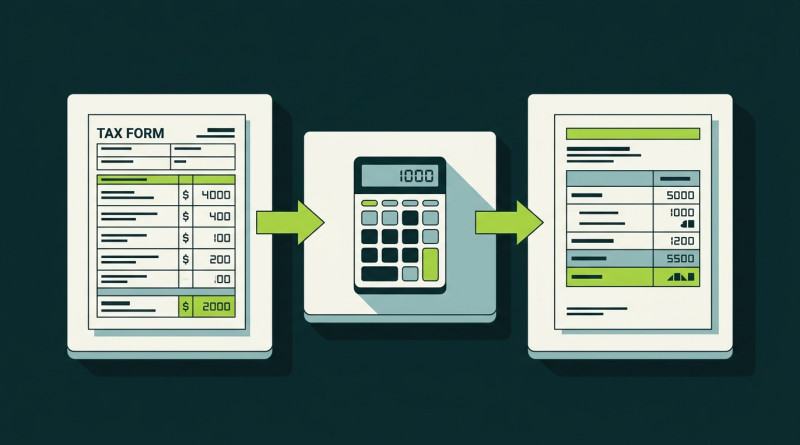
Tax software rarely maps staking cleanly, so manual notes help. The staked assets themselves may need declaration for wealth purposes even before you sell. I treat each reward batch as a small paycheck and log the date and amount. That keeps me calm at filing time.
Future Of Staking Cryptocurrencies
Staking keeps pulling in new users. As more people join, networks get more spread out and safer. Better reward models and voting systems could open doors for small holders. New chains built on PoS will likely join the crowd.
I think staking cryptocurrencies will stay a core part of blockchain. It gives holders a job and a paycheck while cementing the network. That blend of purpose and profit is hard to beat for a long-term crypto plan. Continued tweaks to tokenomics may refine how rewards flow.
Governance mechanisms will evolve, letting more users vote without big stakes. This could make staking even more inclusive. The basic idea of locking coins to secure a chain seems here to stay. As the ecosystem grows, staking may become a default feature for many coins, not a niche tool.
Improvements in staking rewards and incentives will further refine tokenomics. New models and voting structures could make participation even simpler across the user base. I expect more banks and brokers to offer staking wrappers, much like they do with savings products today.
Resources I Found Useful
When I started, I leaned on a few sites. Stakingrewards tracks rates and providers, with a calculator for guess-work. Many wallets have their own staking calculators too. The Chainalysis Academy has plain lessons for the crypto-curious.
Helpful Links
- Stakingrewards: data on APY and providers
- Wallet calculators: estimate returns before lock
- Chainalysis Academy: learning center for basics
- Explainer articles: "Staking cryptocurrencies explained simply"
Some explorers list all APYs for coins that permit staking. I still check stakingrewards each month to see rate changes. If you want a how to buy stocks on Yahoo Finance style guide for crypto, these resources are closer to that plain tone. They show numbers without the sales pitch.
The Staking Explorer on stakingrewards gives an overview of all APYs and cryptocurrencies that permit staking. Most cryptocurrency wallets also provide a staking calculator that lets you enter an amount and time frame to get an estimate. Those tools helped me size my first stake without guesswork. Staking cryptocurrencies gets less scary when you can see the math.











Comments on “Staking Cryptocurrencies: What It Is, How It Works, and Why It Matters”
No comments yet. Be the first to share your thoughts.