
Coinbase Custodial, Demystified
Coinbase custodial is a service built for eligible financial institutions and hedge funds moving into digital currency. It eliminates the need to build your own crypto stack from scratch. It’s a key piece of the crypto custody solutions wave making institutional access safer and more accessible. The goal is simple: let big money in without the usual headache.
Coinbase custodial acts as a qualified custodian. A regulated entity holds the keys and safeguards the assets. For big funds, this is a calm way to step into crypto without sweating the small stuff. No need to hire a team of coders to watch cold storage.
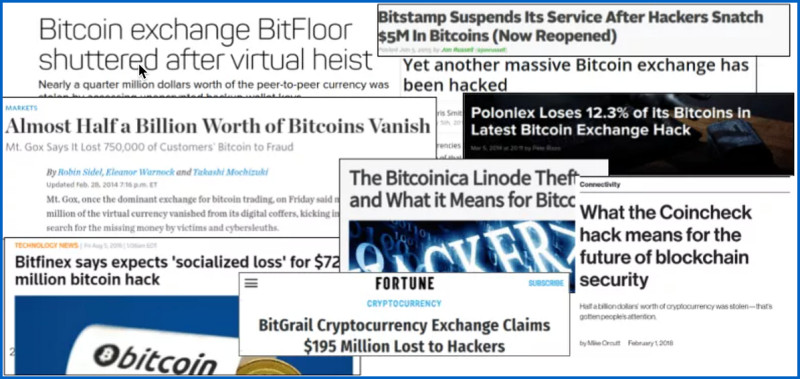
Security is critical in crypto custody: transactions are irreversible, keys are as good as the assets themselves, and stolen funds have few legal protections.
If you work at a fund, you’ve likely looked at other exchanges first. But coinbase custodial isn’t just a trading desk. It’s a full safe box for tokens - wrapping storage, trade, and staking in one regulated package.
The provider’s mission: make digital currency investment accessible to every eligible financial institution and hedge fund. Big aim. The tools back it up. Simple framing helps you get it fast.
Who Coinbase Custodial Is For
Coinbase custodial is built for eligible financial institutions and hedge funds. Not casual retail users buying a little coin. The point: give pros a hands-off approach with provider-level security. Spelling out the user type saves everyone time.
You need to be an institution or fund that meets the rules. Then you get tools fitted for large-scale needs. A dedicated client services team matters when moving millions.
The Institutional User Basics
- Must be an eligible financial institution or hedge fund
- Gets qualified custodian status through partners
- Receives insurance and compliance cover
- Uses dedicated client services for help
- Can access prime brokerage and trading
Some brokerage shops may point clients to such custody. The line between broker and custodian blurs. But coinbase custodial keeps safekeeping separate. That split is healthy for audits.
When a fund signs up, they use onboarding guides and help center articles. Funding, trading, security. Stuck? Contact an account manager. That human touch beats a space full of bots.
The Tools Inside Coinbase Custodial
Coinbase Custody ships a suite of institutional-grade tools. Prime brokerage, secure custody, staking, on-chain wallet integration, advanced trading and financing. A lot in one place. Saves teams from patching many vendors.
Core Services Offered
- Prime Brokerage and Trading for big orders
- Custody with qualified custodian status
- Staking to earn yields on supported assets
- Onchain Wallet for direct DeFi access
- Markets for spot, derivatives, and liquidity pools
All under one roof. The service operates as a qualified custodian with strong insurance and compliance. That’s the safe path institutions want. Insurance a small shop can’t match.
If you’ve used a trading desk before, the Prime side feels familiar - but with more guard rails. Spot markets for high-frequency trading. An international exchange for perpetual futures. Derivatives and verified pools add transparent liquidity.
Staking deserves a line. Earn yields on supported assets while keeping institutional controls. The fund doesn’t lose oversight for a return. That balance is rare.
The Prime Onchain Wallet
The Coinbase Prime Onchain Wallet extends the ecosystem. MPC (multi-party computation) tech gives a non-custodial feel while staying tied to Prime. Clients touch any dApp, store tokens from supported networks, get instant access to funds.
Neat because it mixes self-control with institutional controls. Vote on DAO governance, lend or stake with DeFi, manage NFT collections. All under Prime Custody rules. A key to the wild web - with a guard at the door.

Wallet features are clear. Store any token from supported networks. Instant access. Interact with dApps. Tap DEXs for a large asset range. Vote on DAO governance. Lend or stake via DeFi. Buy or mint NFTs. Manage onchain social accounts.
This onchain wallet is non-custodial MPC integrated with Prime. Client keeps keys via computation; parent sees activity. For a fund: compliance and freedom in one screen. More products should do this.
The Networks You Can Reach
Supported networks include the Solana ecosystem and many EVM-compatible chains. Ethereum, Arbitrum, Avalanche C-Chain, Base, BNB Chain, Fantom Opera, Gnosis, OP Mainnet, Polygon PoS. Funds hate being stuck on one chain. Wide net solves that.
This spread lets institutions hold a broad token set. Assets not yet on Prime Custody can live in the Onchain Wallet. Funds track new projects without leaving the safe zone. Store assets not yet on main custody.
Supported Chain Examples
- Ethereum mainnet for base tokens
- Arbitrum for fast rolls
- Avalanche C-Chain for quick finality
- Base network built by Coinbase
- Polygon PoS for low cost moves
- BNB Chain for wide token set
Check a list of exchanges and you’ll see many of these chains. Coinbase custodial brings them under one control panel. Cuts the busywork of juggling wallets.
Solana called out separately from EVM - they care about speed chains too. For institutions, more chains mean more shots at token sales or governance without extra vendors.
Custodial vs. Non-Custodial
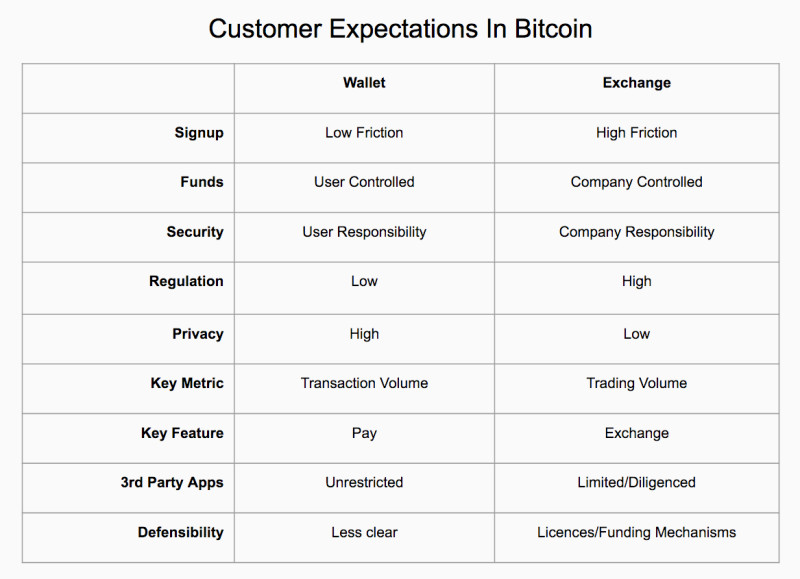
Know the split. Custodial wallets: a third party manages keys. Non-custodial: you fully control and secure your own. Both have a place. Risk profile flips.
Custodial wallets have a third party manage access keys for users, while non-custodial wallets require users to fully control and secure their own keys.
Coinbase Custody is custodial. Regulated entity holds keys with insurance. Coinbase Wallet is non-custodial, a self-custody app. Trust Wallet: non-custodial, launched 2017, later taken by Binance. MyEtherWallet: open-source self-custody for Ethereum.
Wallet Type Contrast
- Coinbase Custody: third-party holds keys
- Coinbase Wallet: you hold keys, mobile and extension
- Trust Wallet: mobile-first, 100+ blockchains
- MyEtherWallet: open-source self-custody for Ethereum
Read about where to day trade crypto and you’ll see non-custodial or exchange wallets. Institutions lean on custodial for sleep-at-night safety. Trade-off: give up direct key control for guarded storage.
Non-custodial like Trust Wallet supports 100+ blockchains, millions of tokens, built-in dApp browser, staking rewards. Coinbase Wallet has manual lock, biometrics, warns on suspicious dApps. Fine for users. Not for big funds needing papers.
How Coinbase Started As An Exchange
Coinbase started with an easy bitcoin wallet vision. Users bought and stored bitcoin as investment, not daily spend. Confusion: they thought they used a wallet but used a regulated exchange. History worth knowing.
Coinbase evolved from brokerage into a fuller app with wallet-like features. Launched Coinbase Wallet as separate non-custodial. That split clarifies custodial service for institutions. Past shapes present safe path.
Why Qualified Custodian Status Matters
Under SEC rules from Dodd-Frank, institutions with customer assets above a threshold must use a qualified custodian. Most advisers must keep client funds with one. Coinbase Custody operates as one through partnership.
Not a small detail. Aligns banks and funds with law. Removes a big headache for compliance. Without qualified custodian, a fund breaks rules and risks client trust.
Coinbase Custody also operates as a qualified custodian through its partnership with ETC.
BitGo Trust got a South Dakota trust charter - also qualified. Meet SEC custody requirements without hack risks. Qualified custodian adds insurance and audits a solo wallet can’t.
For an eligible financial institution, this status is the gate to crypto. Don’t skip checking it. No qualification? Walk away.
The Risks of Token Custody
Tokens are smart contract assets. Unlike old assets, they follow code that could buck or host bad functions. Lose a private key, tokens gone for good. Flag this early - it shocks new funds.
Don’t skip this part: superuser risks in contracts hurt custody. Blacklist blocks accounts. Confiscate function removes funds. Upgrade changes rules without your ok. Not fairy tales - source gives examples.
Superuser Risk Examples
- Blacklisting: a superuser blocks accounts, Alice lost access with no wrongdoing
- Confiscating funds: admin takes tokens, Bob lost his to unethical admin
- Upgrading contract: logic changed alone, DeFi rates altered without consent
- Minting: flood market, drop value, Carol saw holdings diluted
- Pausing contract: halt all moves until lifted
- Self-destruct: contract killed, assets lost
Also implementation and design risks: rebasing, no decimals. Sudden rebase cuts balance with no market move. Scary for a fund. Unique accounting logic causes weird balance changes. Off-chain signatures may be forged.
Design risks: tokens with no decimals force whole-token transfers. Self-destructing contracts appear again. Warning: read the contract before custody. Source says due diligence is a must.
How Coinbase Lowers Those Risks
Coinbase applies mitigations. For superuser risks: strong governance, multisig key practices, revoke privileges. For novel design: external audits. Sane filter for any institution.
Risk Mitigation Steps
- Proof of decentralized governance system
- Strong multisig key practices
- Revocation of superuser privileges entirely
- Previous external audits of design
- In-house support for token contract
- Backend integrations for rebasing and fees
They build backend integrations for weird accounting like rebasing or fees. Contract lacks transfer events? Issuer must update it. Keeps coinbase custodial tracking clean. Issuer fixes missing logic that impacts tracking.
Coinbase applies mitigations to address identified risks, working with issuers or internally.
If you ever need to flag a scam , still do it. But custody layer tries to stop bad code before it touches assets. That’s the value of a qualified custodian doing homework.
Stay informed on contract upgrades, source says. Monitor contracts with upgrade features. Understand transaction limits like fees or time locks. Easy to forget when money moves fast.
Other Crypto Custody Providers
Coinbase Custody isn’t the only name. In 2021, Gemini and BitGo were top providers. Gemini: military-grade security. BitGo: multi-signature accounts. See the field, compare.
Top Custody Providers
- Gemini: compliant, secure facilities
- Coinbase Custody: old name, insurance backing
- BitGo: multi-sig, South Dakota trust
- Citigroup: Digital Asset Receipt product
- LOBSTR: custody on DigitalBits chain
Traditional custodians lack crypto skills. Exchanges doubling as custodians can conflict. New entrants fill gap with regulatory-grade services. That’s the custody progress wave making institutional entry safer.
Scan a US exchange and you’ll see these names. Coinbase custodial stays a strong pick for institutions. BitGo’s multi-sig is like two-factor for keys. Gemini stores keys in secure facilities.
Observers note custody was the missing piece keeping institutions on sidelines. Now providers shrink the gap. Calm interest from here.
The Regulator Rules
U.S. Treasury once proposed a rule for user-controlled wallets. Comment stage, not final. Coinbase said no impact to accounts then. If final, adds record-keeping and reporting. Know the past proposal.
SEC rules already require qualified custodians for client assets above a limit. Pushes funds to services like coinbase custodial. Clear rules help space grow, even if they add paper.
Most investment advisers are required to keep client funds with a qualified custodian.
State trust charters matter. BitGo got one from South Dakota. Coinbase Custody works under oversight with insurance and compliance. Landscape not static, but custodial model fits.
For users, proposed wallet rule could mean more personal info shared. Coinbase published responses, encouraged voices before final. Right move in my book.
Buying Crypto and Moving It
Some guides show buying Ethereum Classic on Coinbase then moving to a non-custodial wallet. Minimizes reliance on one custodial provider. Aligns with self-custody best practices for retail. Institutions may keep custody.
Fund with bank, debit, wire, PayPal. Verify identity for KYC. Buy via standard button or Coinbase Advanced. Fees around 0.6% for medium trades. From the source.
Steps to Buy and Send
- Connect bank and verify ID with full name and address
- Click Buy and Sell for ETC on site or app
- Use Send and Receive to move coins out
- Wait for confirmations before trade or withdraw
- Apply Coinbase Visa card for crypto cashback
To learn how to buy on Coinbase , steps above are a plain start. Visa card gives 1-4% cashback in crypto. Card sells ETC to cover buys in fiat.
Miners, speculators, merchants use exchanges to convert to fiat. Normal biz. Institutions may keep coinbase custodial for the bulk. User types: investors, miners, speculators, merchants. Each has own flow.
ETC User Types
- Investors: long-term holders
- Miners: liquidate daily earnings
- Speculators: active traders
- Merchants: accept ETC for goods
Source notes receiving ETC shows balance in 13-39 seconds but can’t trade until 3,000 confirmations (~11 hours). Reminder: blockchain speed varies. Plan moves early.
Self-Custody With MEW
MyEtherWallet (MEW) is open-source, self-custodial for Ethereum. Fund it through Coinbase Pay. Bridges centralized buy with self-control. Good option for those wanting keys.
Note: MEW may block sanctioned areas. Flagged addresses blocked for compliance. Help via support email. Even self-custody respects rules. Access restricted in sanction jurisdictions.
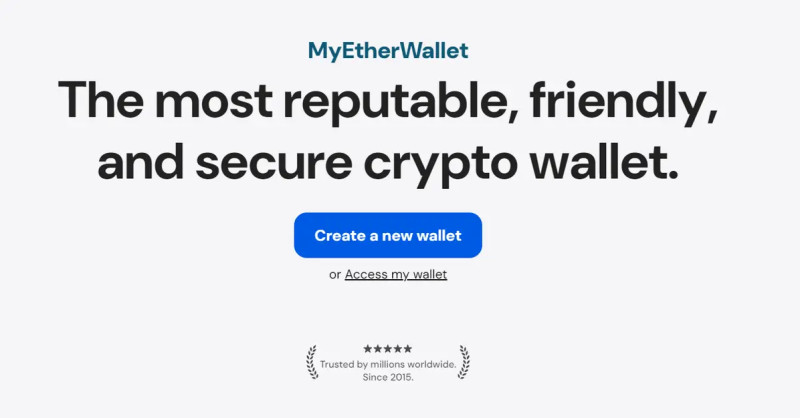
Check where to buy native crypto and MEW plus Coinbase Pay is one route. But coinbase custodial remains the institutional safe box. MEW onboarding via Coinbase Pay - neat bridge.
MEW is a way from centralized purchase to self-custody storage. Fits users who start on exchange then take control. Stepping stone, not a fund tool.
My Take on Safe Crypto Steps
Clear info matters. Coinbase custodial gives institutions a safe path into crypto without building their own stack. Part of crypto custody solutions making entry safer. Wraps storage, trade, staking, DeFi access.
Do due diligence on tokens. Stay informed on contract upgrades. Understand transaction limits. Advice straight from source - echoed. A fund that skips this plays with fire.
Due Diligence – Conduct thorough research on contract features and behaviors.
Some hunt for sign-up bonuses but bonuses fade. Real win is safe custody. Hope this helped you see the lay of the land. Run a fund? coinbase custodial is worth a look.
We covered a lot: Prime Onchain Wallet to token risks to SEC rules. Kept it plain. Use related phrases as links for more on exchanges or buying. And don’t skip the risk part.












Comments on “Coinbase Custodial: How Institutions Get a Safe Path Into Crypto”
No comments yet. Be the first to share your thoughts.