What NFT Sites Are
NFT sites are where you buy, sell, or mint digital items that prove ownership. Think of them as shops for things that live on a blockchain. They turned simple digital files into owned assets. A non-fungible token is a digital record of who owns what. It sits on a blockchain - a public ledger no one can alter. That makes ownership safe and verifiable by anyone.
Non-fungible means the item can’t be swapped like a dollar bill. Each is unique. You may have a copy of a picture on your phone, but only the certified version on an nft site holds real value. It’s weird but useful - like a signed print versus a poster from a store. The Mona Lisa example fits: you can buy a print, but the original stays with the owner. A pixel-for-pixel copy of a file is not the owner’s certified token.
Only the certified version holds the value.
NFTs are part of what folks call web 3.0. The goal: remove middlemen, give power back to creators and small players. As we live more online, owning digital things feels normal. To play, you manage tokens through a crypto wallet on the chain. That wallet is your account for trades using coins - still the most common way to buy NFTs. Without a wallet, ownership history can’t be traced.
An NFT can point to any asset - digital or physical. Art, music, documents, real estate, in-game items, even a DNA sequence. Early sets like CryptoPunks and Bored Apes are images, but the tech isn’t limited to pictures. That range is what makes nft sites interesting. A token is a link to a file and a record of the owner, minted onto a chain like Ethereum. That chain is a ledger that can’t be forged or lost. Most nft sites require you to connect a wallet first. Many people use places to trade crypto to grab coins before visiting nft sites.
How NFTs Work on the Blockchain
The tech behind nft sites isn’t magic. Smart contracts do the heavy lifting. On Ethereum, the ERC-721 standard links a unique ID to your public address. It maps the token to storage for media or info. Many nft sites point to files on IPFS - a shared file system - while some use Amazon storage for metadata. A smart contract is just programmable logic that issues or moves tokens based on conditions.
Key tech pieces for nft sites
- Blockchain ledger that stores ownership
- Smart contracts like ERC-721 for unique tokens
- Storage spots such as IPFS or cloud buckets
- Wallets that hold the tokens and coins
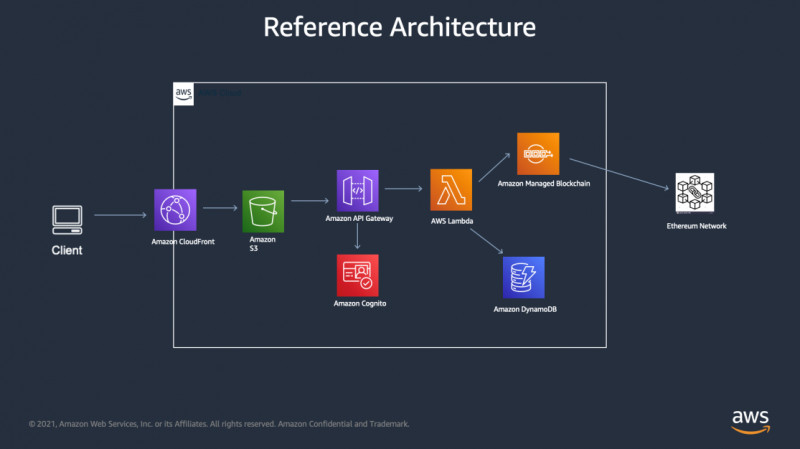
When a creator mints a token, they add it to the chain via a smart contract. That contract is code stating who owns what. I think of it as a vending machine that prints a receipt you can’t lose. The receipt is the NFT. The nft sites we talk about read the chain and display the item. The record is immutable - no one can edit or delete it. That lets anyone verify ownership in a few clicks, a big shift from paper-based proof.
For developers, a full-stack app uses cloud tools: presentation tier, middle tier, smart contract tier. More than a casual user needs, but it shows nft sites are backed by real engineering. The core idea stays simple: a token on a chain proves you own what it points to.
Kinds of NFT Sites and Marketplaces
There are many types of nft sites. Open marketplaces let anyone list a token. OpenSea is the biggest - over $32B lifetime volume. Fixed price or auction, your call. Rarible is another friendly spot on Ethereum. Curated places like SuperRare show one-of-a-kind art from known names. Nifty Gateway is known for celebrity drops. These sites made browsing and buying easy for regular folks.
Main kinds of nft sites
- Open marketplaces like OpenSea and Rarible
- Curated art sites like SuperRare or Foundation
- Niche sites for sports, games, or tweets
- E-commerce stores that added NFT support
Auction houses joined. Christie’s built an exchange with OpenSea and sold Beeple’s Everydays for $69M+. The most expensive NFT at the time. Traditional shops prove nft sites aren’t just for crypto natives. Even the Chicago Bulls sold digital rings via a card-powered store. The range of nft sites keeps growing as more groups see the use.
I spent an afternoon clicking around OpenSea. Felt like eBay for weird art. The layout shows collectibles, music, in-game items, more. Over 100 payment tokens supported on that one site. That variety is why nft sites are a broad topic, not a single corner of the web.
Big Names in NFT Marketplaces
OpenSea supports Ethereum, Polygon, and Klatyn chains. Takes 100+ payment tokens. Rarible is liked for its clean look. Nifty Gateway for celebrity drops. These nft sites made browsing easy for normal folks. Simple interfaces brought in new collectors who’d never touched crypto.
To get coins, you might look at free sign-up bonus crypto offers . Or learn how to buy on Coinbase with a bank link. Crypto brokerage firms act as middlemen for new buyers. Where to buy and sell crypto is a common forum question. The Coinbase app for Android makes phone trading easy. Once you have coins, move them to a wallet and connect to nft sites.
Success of a collection depends on speed of sale at launch rather than offering price.
That point matters when a drop goes live. Price may be low, but a busy network means you must act fast. Big buyers crowd out small ones via higher fees - hence allowlists. I appreciate creators trying to keep it fair for regular folks.
Niche NFT Sites for Special Collections
Some nft sites focus on one thing. NBA Top Shot sells short sports videos. Valuables lets you buy tweets - like the first tweet from Twitter’s founder for millions. CryptoKitties is a game with cat characters. Sorare does football cards. Axie Infinity sells game items. These spots show how broad the idea got. A niche site builds a tight community around a shared interest.
Examples of niche nft sites
- NBA Top Shot for basketball highlight videos
- Valuables for buying and selling tweets
- CryptoKitties for breedable game cats
- Sorare for fantasy football cards
You’ll hear about top crypto trading apps when planning coin buys for these niches. Some prefer buying crypto on Webull for the interface. Best apps for buying crypto often list a few big names. The Crypto.com platform is another funding spot. Once funded, you visit the niche nft sites and pick your collectible.
I like that a basketball fan can ignore the art world and join NBA Top Shot. The token still sits on a chain, proving ownership the same way. That’s the quiet power of nft sites: shared backend, any front end.
Shops and Brands Selling NFTs
E-commerce platforms stepped in as nft sites too. Shopify was first to let merchants sell tokens via their normal store. A brand could mint on Ethereum or Polygon, take cards or crypto. The Hundreds clothing line made Adam Bomb Squad tokens granting free tees and early access. Builds community around a product. Smart use of tech - rewards loyal buyers.

Ripple’s XRP Ledger became a venue. Ethernal Labs partnered with Ripple’s Creator Fund to put Messi and Shaquille O’Neal on chain. They build white-label nft sites where fans buy limited collectibles. Shows how nft sites spread beyond crypto crowds. Big brands get a fake-proof digital item for fans.
Shopify’s beta was US-only with no fixed launch timeline. Fine - the trend is clear. More shops will add tokens as a normal product type. Buy through such a store, the backend still mints to your wallet. So the nft sites label fits even if the front looks like a regular shop.
Making NFTs Through Minting and Drops
When creators first put a token out, it’s a mint or drop. No middleman. First price is low or zero to pull people in. CryptoPunks were free at start. A drop happens at a set time; buyers join a whitelist for a fair shot. I like that - helps small buyers.
Steps in a typical NFT drop
- Creator sets a mint date and time
- Interested buyers join an allowlist
- Mint price is low or free for early users
- Tokens move to first owners on the chain
After the drop, primary market prices are uniform and low across collections. A new art piece and a new game item cost the same at birth. Odd but true. Real value shows later on secondary nft sites. A whitelist gauges interest and promotes fair distribution - else rich buyers pay high fees to win launch.
Retail buyers in the allowlist often get lower mint price than public sale. Tiny edge matters if the set takes off. I’ve seen free mints later trade for 12+ ETH - wild jump. Source says speed of sale at launch beats offering price. Matches what I observe on these nft sites.
Trading on Secondary NFT Exchanges
Once minted, tokens trade on secondary nft sites. Often decentralized, talking straight to the blockchain. No market maker holds stock. Many collections run their own exchange for that set. Auctions: English (price up) or Dutch (price falls). Seller can walk if outcome disappoints.
Speed matters more than price at launch - that quote stuck. On secondary sites, you pay more but get proven ownership. Trade-off. Some use places to trade crypto to fund buys, then move coins to a wallet. Trade recorded by smart contract changing owner on chain. Different from a normal shop where stock sits in a warehouse.
NFTs work as a digital certificate of ownership stored on a blockchain, a decentralized public ledger where transaction details are viewable by anyone and data is immutable.
Data is open, so you can check if a seller truly owns the token before paying. That transparency is core to nft sites. Doesn’t stop scams, but gives you a verify tool. I always click the chain link before bidding.
Using NFTs as Collateral and Staking
NFTs aren’t just for show. Use them as collateral for coin loans. Prices swing hard, so loan value is low - about 20% of floor. Repay, smart contract returns token. Default, lender gets it. This makes nft sites part of a wider money system.
Ways to get liquid value from NFTs
- Collateral loans with low loan to value
- Inventory staking for yield in a contract
- Liquidity staking with paired ETH rewards
- Redeemable claim tokens for borrower and lender
Staking locks a token to earn yield. Fees cash out anytime. On exit, you might get less token and more ETH based on demand. Complex, but shows nft sites are more than art boards. Loan terms aren’t standard; claim to pledged asset is an NFT itself. Both sides get a token representing the claim.
Inventory staking: lock NFT, receive yield. Liquidity staking: lock NFT with ETH, rewards from fees. Not compounded, but cashable anytime. On exit, staker may redeem less NFTs and more ETH by supply/demand. Clever mechanic, not for beginners.
What Studies Show About NFT Value
A study looked at 2M NFT trades focused on blue chips like CryptoPunks and BAYC. Punks launched 2017, stayed top dog. BAYC came 2021 with strong crowd. Findings: Punks ~500K ETH total value, BAYC ~350K ETH. Huge numbers - shows value sitting on these nft sites.
Average trade returns were wild. CryptoPunks ~1600% per trade, BAYC ~1300%. Not every set won; Axie Infinity negative median. Good reminder: nft sites aren’t a sure bet. You gotta pick careful. Study noted Punks ~7x median valuation of BAYC, yet BAYC had more transactions due to later launch.
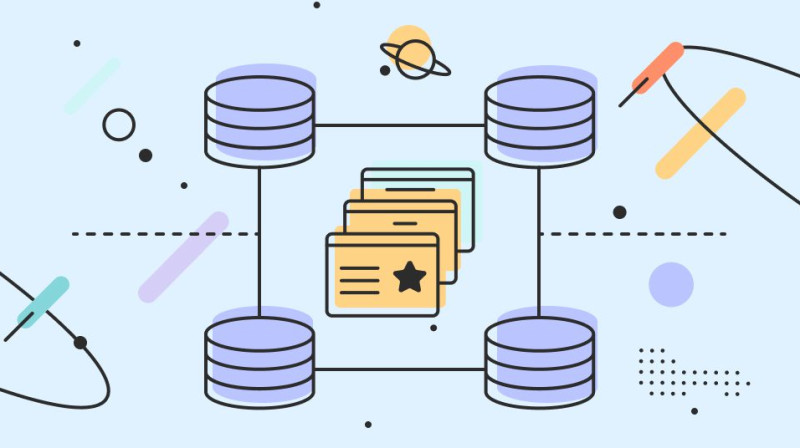
Buy-and-hold numbers stark too. BAYC median ~2000%, CryptoPunks ~270%. Art Blocks and Sandbox few hundred %. Sorare and Axie near zero or negative. Takeaway: a few names carry most gains on nft sites; rest flatline.
NFTs in Art Music and Games
Use of nft sites spread to many fields. Art headline: Beeple sold piece for $69M. Music artists Grimes and Snoop Dogg dropped songs as tokens. Games like Axie Infinity let players breed/trade creatures. One summer month 2021, game NFT trades passed $820M. Lot of pixels.
Industries using nft sites
- Art sales with verified digital originals
- Music releases with resale royalties
- Games with tradable in game items
- Real estate and event tickets on chain
Real estate saw tokenized plots - virtual Mars House sold for $500K+. Tickets and POAP badges give event access. Even wine barrels certified. Point: nft sites are a tool, not just jpegs. Sculpture Human One sold $29M, mixing physical art with tokens. Injective Protocol burned a Banksy after tokenizing - bold statement on ownership.
Music platforms like OneOf and Catalog let artists release songs and earn on resale. Helps small musicians keep a cut. I like that a lot. Game NFT trades slowed from peak, but owning in-game items model still live on many nft sites.
Wallets and Blockchains for NFT Sites
To use any nft sites you need a wallet. Software like Metamask: online, easy. Hardware like Ledger: offline, safer. Most sites work with Metamask; hardware users move items to access. Blockchains vary: Ethereum popular but gas fees spike during busy drops. Polygon and Solana cheaper.
Common blockchains for NFTs
- Ethereum with higher gas fees
- Solana with very low mint cost
- Polygon for cheap and fast trades
- Flow and Near for specific projects
Gas fees pay miners, can jump to hundreds at launch. Layer-two fixes like Immutable X help. Need coins? Check best apps for buying crypto or the Crypto.com platform . Some still use buying crypto on Webull to fund wallets. Top crypto trading apps lists help newcomers. Solana mint fees ~fraction of a cent, wild vs busy Ethereum.
Exchanges to buy coins: Binance, Coinbase, Kraken, others taking PayPal/cards. Move coins to wallet, connect to nft sites. I always double-check the chain a site uses before bridging - wrong network loses funds.
How to Make and Sell Your Own NFT
Creating on nft sites isn’t hard. You need a wallet, a marketplace, content. Fiverr freelancers can code contracts or draw art. Pick a chain: Ethereum known but pricey, Solana fast/cheap. Set up storefront with search and auctions. I like that a normal person can do this without a big team.
Buy at launch, get lowest price. Some free mints later sold 12+ ETH. Secondary market safer but costs more. Use where to buy and sell crypto guides to start with coins. Crypto brokerage firms help if lost. The Coinbase app for Android holds funds before minting. Ready-made SDK or custom dev both work.
Source says freelancers provide coders for generative art, smart contracts, artists for layers/traits, web designers for UI. Lowers entry bar. Still need right audience and features. Start small, learn ropes on low-cost chain before jumping to big nft sites.
Keeping NFTs Safe With Watermarks
Fakes are a problem on nft sites. OpenSea said 80%+ of NFTs made with free tool were copied/spam. Digimarc made digital watermarks tying file to chain ID. Stops copy minting. Market can scan and flag mismatches. Xeal first customer. Neat fix.
OpenSea disclosed more than 80% of NFTs created with free storefront contract were plagiarized or fake or spam.
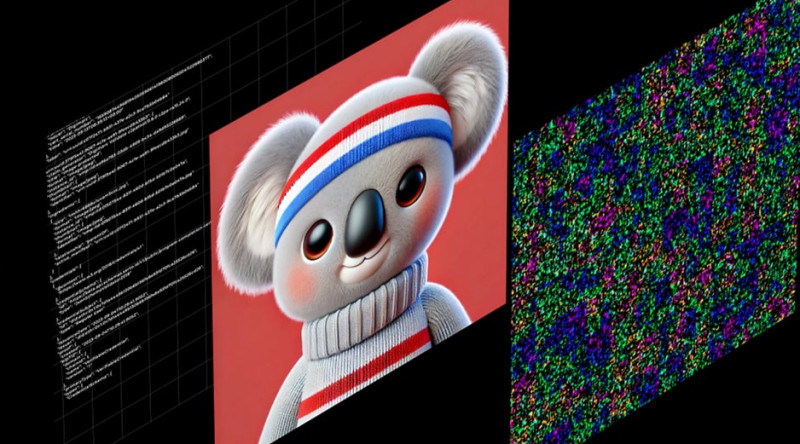
Watermark encrypts link to blockchain ID, contract address, token ID before minting. Counterfeiter copies image, mismatch flags it. Enables licensing and interactivity via mobile scan. For regular user browsing nft sites, such mark adds quiet trust layer. Hope more platforms adopt.
Scams on NFT Sites and How to Avoid Them
Scams hit nft sites hard. One report: $100M+ in NFTs stolen via scams over two years. Phishing via hacked Discord common. Scammer tricks you into signing wallet connect. Fake airdrops send to bad sites. Malicious software asks install drain extension. Scary stuff.
Common scam types on nft sites
- Promotional fake collections to fake activity
- Phishing collection names that copy real tokens
- Phishing airdrops linking to bad websites
- Malicious software that drains your wallet
Safety tips simple but vital. Take time, never rush. Use burner wallet for new sites. Hardware wallet for big holds. Enable two-factor auth. Only touch verified objects. Don’t skip this: a little caution saves lot of pain. Some homes use CUJO AI Sentry to block bad links - solid layer. Fireblocks uses Blockaid to auto-hide spam transfers, helps managed wallets.
Source notes one scammer spent $47K on tools - shows how pro these ops are. Symantec: ~85% email spam, much pushing fake mint links. I always check contract address myself. Site asks download extension to claim gift, I close tab.
My Take on Staying Safe
I care because I see friends jump in blind. Promise of nft sites is real, but so is risk. Use the tools we discussed. Pick known marketplaces. Read contract before sign. Deal too good? Probably a trap.
Take time, never rush; use burner wallet per engagement; use hardware wallet; enable two-factor auth; select verified objects.
That’s my plain walk through nft sites. Hope it helps spot good deals, dodge scams. Space keeps growing, basics stay. Own your keys, check chain, have fun. New? Start small, learn how wallets talk to nft sites before committing real money.



Comments on “NFT Sites Explained: How to Validate Deals and Avoid Scams”
No comments yet. Be the first to share your thoughts.