What Online Crypto Currency Means
Online crypto currency is digital money that lives on the web. Think of it as coins you can’t hold in your hand. The word crypto comes from a root meaning hidden or secret-fitting, because the tech was built with privacy in mind. You don’t need to be a tech expert to use it. You need a simple mental model. Here’s the baseline for staying safe.
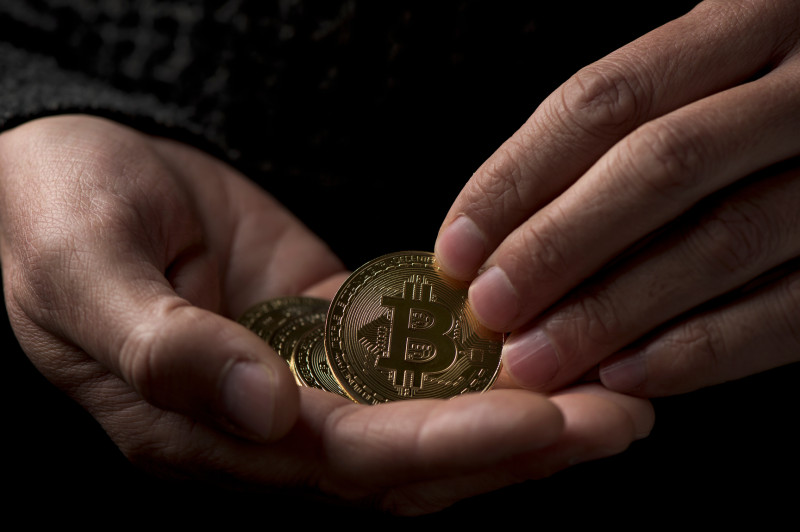
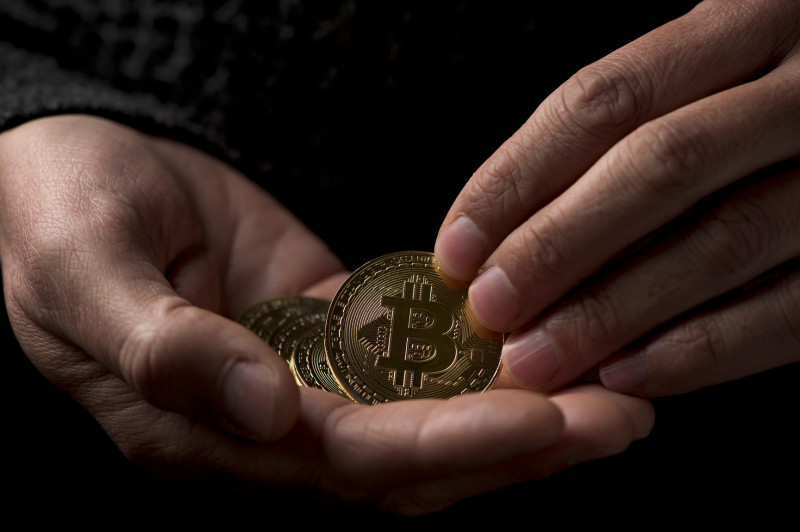
When we say online crypto currency, we mean coins like bitcoin and ether-bought, sent, and stored through apps and sites. The core is a shared record called a block chain. It’s open for all to see but doesn’t expose your name. That’s a neat property for keeping personal data away from thieves.
How Online Crypto Currency Grew
Online crypto currency spread fast. Visa, Mastercard, Square, and Paypal now let merchants accept coins. The Nexo card is a visible signal. More than half of the top 100 banks have invested in crypto or block chain firms. This isn’t a fad-it’s infrastructure taking root.
Regular people use it too. One survey found nearly half of young folks would take part of their pay in crypto. Some already invest. Others want privacy or fear missing out. Online and brick-and-mortar shops now accept bitcoin at checkout. Online crypto currency is now a real part of how we pay.
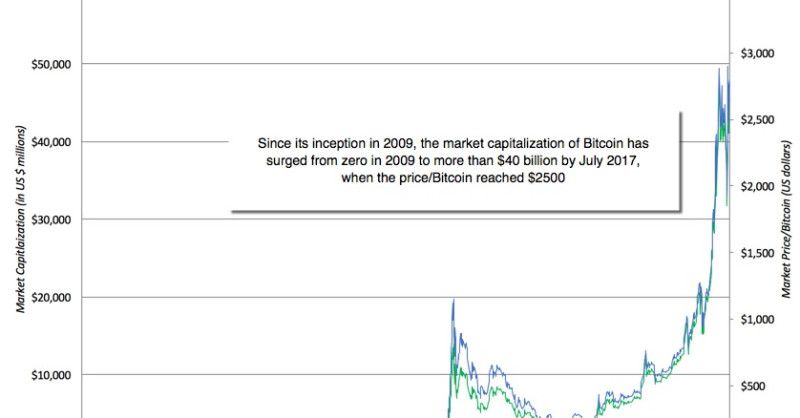
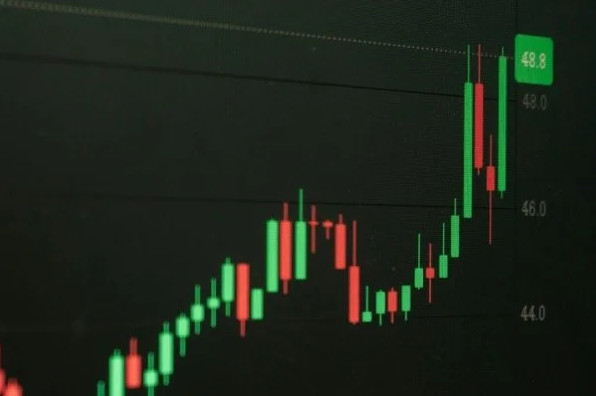
Bitcoin launched via a paper in late 2008, open code in early 2009. Less than a decade later, its total value passed $40 billion. Ether arrived in 2015, shot up faster, then pulled back. The chart shows the core truth: online crypto currency moves fast-both up and down.
Wallets For Online Crypto Currency
To use online crypto currency, you need a place to keep it-a digital wallet. Merchants need one too. You buy coins with fiat on exchanges, then move them to your wallet. The wallet holds the keys that let you send and receive. Think of it as the front door to your crypto.
Main wallet types
- Hot wallets stay online and are quick to use
- Cold wallets stay offline and are harder to steal from
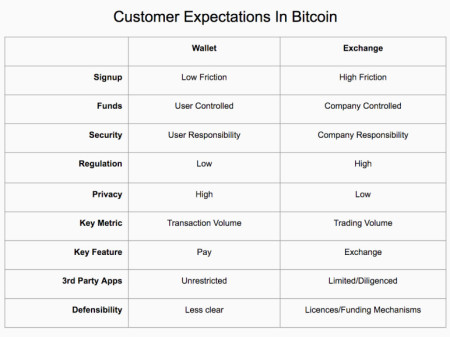
- Self custodial wallets give you full control
- Custodial wallets are run by a company for you
A cryptocurrency wallet app on your phone is usually a hot wallet. Handy, but always tied to the net. A crypto currency app like this is fine for small sums. For bigger savings, look at cold storage.
Hot And Cold Wallets
Hot wallets (software wallets) stay connected to the internet. Fast and convenient for daily spending. But being online means more exposure to hackers. Treat them like a pocket wallet with cash-not a safe.
Cold wallets (hardware wallets) store keys offline on a device. Less convenient-you plug them in or use a gadget. But they’re far more secure from remote attacks. A mix balances ease and safety. I keep a little in hot, the rest in cold.
Keys And Seed Phrases
Every wallet has two key strings. A public key is your address-where others send coins. A private key signs transactions and proves ownership. When you pay with online crypto currency, you don’t hand over your name or email. That cuts identity theft risk-something I appreciate.
Seed phrase acts as the wallet’s master key-it can restore your wallet if access is interrupted.
The seed phrase is 12–24 words. Whoever holds it can grab your coins. Write it on paper or engrave on metal. Some split it across locations. I never type it into a phone or computer-connected devices can be compromised.
An extension word adds a second factor to the seed. Keep the whole thing offline. Enter it only during careful recovery. Important: never snap a photo of those words.
Picking A Secure Crypto Wallet App
When you choose a secure crypto wallet app , start with official sources. Download from the maker’s site or verified store. Bookmark the link to avoid fake URLs. I always check the address twice before typing info.
You may ask is there a wallet app for android . Yes-many exist, but pick one with good updates. A paypal crypto wallet is another route if you trust the brand. Some look for a google crypto wallet tool inside password managers-but never put your seed there.
Steps to pick a wallet
- Use official websites and software only
- Keep the app updated to latest version
- Turn on two factor authentication
- Write seed phrase on paper or metal, offline
Outdated apps fall to phishing. One Electrum wallet case lost people $22M through a fake update popup. Heed this: only trust prompts inside the real app after verifying the source.
Big Companies And Crypto Payments
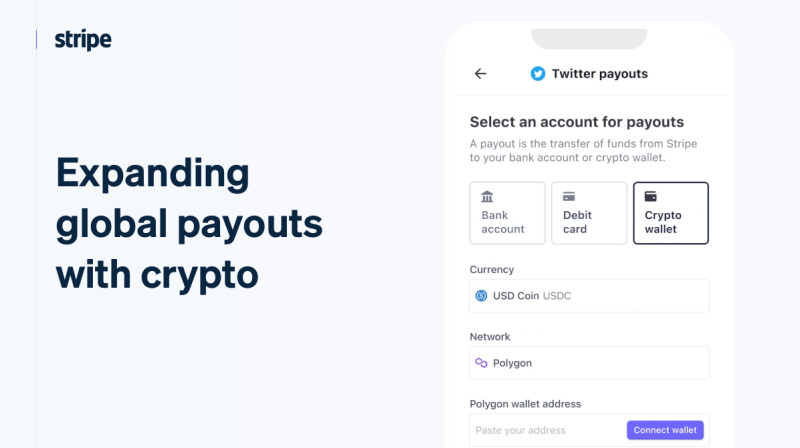
Large firms made online crypto currency easier to spend. Stripe built payouts in crypto to 70+ countries via USDC on Polygon. Twitter creators can get paid to a wallet with no code changes. A big step for global freelancers.
You might even buy crypto with american express via partner services-though Visa and Mastercard links are more common. The point: buying coins with a card is mainstream. A paypal crypto wallet lets you hold and send under a familiar name. That helps new users feel less lost.
Stablecoins like USDC are pinned to the dollar. They let people without easy bank access hold dollar value. Stripe handles the complex parts. This makes online crypto currency less scary for small sellers.
Keeping Your Money Safe With Two-Factor
Good wallets ask for a second step at login-called 2FA. A one-time code or fingerprint. If a thief gets your locked phone, your wallet stays safe. I turn on biometrics wherever possible.
Passkeys use device crypto plus face or thumb. YubiKeys are small hardware keys that work well. A google crypto wallet feature in a password manager can flag leaked passwords-but again, never type seed phrases there. Use an authenticator app on a trusted device, not SMS, which can be swapped.
Antivirus is a basic guard. Stay alert for data leaks. If a password is flagged, change it fast. These simple acts protect your online crypto currency.
Scams And Phishing To Avoid
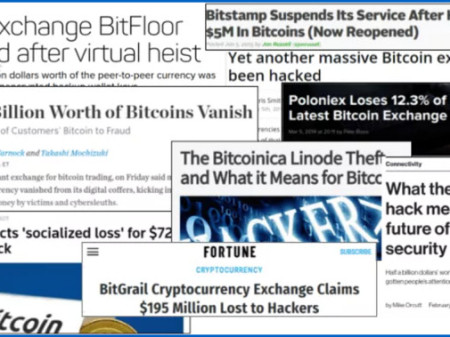
Scammers love the privacy of online crypto currency. Phishing stole hundreds of millions via fake sites. They mirror real sites with tiny URL typos, then steal logins. I always use bookmarks-never a link from email.
Common scam tricks
- Fake financial advisor promising riches if you send coins
- Rug pull scams where a project vanishes with funds
- Blackmail and dating app requests for crypto
- Dusting attacks with tiny coins and links to de anonymize you
Always err on the side of caution.
One sad case: Bybit holders signed a fake routine transaction and lost over $1B in ether. Moves are final-check address and amount twice. If a wallet asks you to sign something you don’t understand, deny it. Don’t skip this: only sign what you understand.
Why Crypto Transactions Are Irreversible
A key fact about online crypto currency: sends can’t be undone. That cuts merchant fraud-no chargebacks. High-risk shops like that. For you, it means mistakes are permanent. I double-check the recipient string every time.
The public ledger shows each transfer with a public key tag. That helps spot bad actors without exposing private data. Still, no reversal is a tradeoff. We gain privacy and low fees, but lose the bank undo safety net.
Regulation And Checks On Crypto
Payment processors run checks before moving online crypto currency. They verify users and businesses against bad-actor lists. That builds trust in a wild space. Some most crypto friendly banks already follow these steps with crypto firms.
Standard checks
- KYC checks the customer against terror and laundering lists
- KYB checks the business before payouts
- KYT checks the transaction wallet against sanctions
- These flows adapt as rules change
Rules differ by country, pushing some shops to loose areas. Trends lean to licensing and anti-money-laundering laws. I hope for common standards so users know what to expect. A US order flagged worry about privacy coins, but zero-knowledge proofs may keep small buys private.
Central Bank Digital Currencies
Governments are looking at their own digital money-CBDCs. A central banker roundtable discussed making cross-border pays quick and safe. The hurdle is matching laws across lands. I see this as sign online crypto currency pushed banks to act.

CBDCs and stablecoins promise clear, automatic pays. Success depends on design-privacy and interoperability. For the unbanked, this could open basic savings. A win for folks left out by old systems.
India’s UPI and Brazil’s PIX show small free payments work. Crypto cross-border can be near instant versus days. I like cutting wait and cost for families sending money home.
Energy And Scaling Issues
Some online crypto currency uses heavy power. Proof-of-work burns fossil fuel at high rates. One report: Bitcoin used about as much energy as Finland. It handles only a few trades per second globally. A real problem for wide use.
Newer chains use proof-of-stake-holders validate, not miners with rigs. Ethereum moved there. Rollups and other tricks help scale, but base chain still stores data. Clean, fast tech must win for crypto to stay useful.
Visa does thousands of trades per second-crypto has room to grow. Fees on some chains spiked, pushing users to side networks. Bridges add risk. This is where careful wallet choice matters.
My Take On Crypto As Money
I look at online crypto currency as a work in progress. It counts and divides, but fails as daily money due to wild swings. Few shops take it straight; many use a middleman to flip to dollars. That tells me it’s a trade item, not coin for bread.
Bitcoin is not a currency, it is a currency + system thingamajig
A commenter said that, and I get it. The system behind the coin is the real change. Some use it for fast international sends-$5k to India in minutes. But most of us have no bills priced in bitcoin. Volatility is the big block.
Still, the block chain record may outlast the coins. Banks and stock markets watch it as threat and tool. I stay curious but careful with my own funds.
Simple Habits For Safety
You can build safe habits around online crypto currency without fuss. Use multiple wallets to split risk. Get apps from official sites and update them. Keep seed words offline-never snap a pic. Turn on 2FA and use an authenticator.
Folks often search how to get money off trust wallet when they start. The answer is in the app’s send feature-but watch fees and fake support. Others ask is crypto safe on robinhood . Any custodial place has its own risks; learn who holds your keys. I prefer self-custody for long-term holds.
My safety checklist
- Bookmark official wallet and exchange urls
- Write seed phrase on paper or metal, offline
- Deny wallet sign prompts you do not understand
- Check address twice before sending coins
Online crypto currency can be safe if you respect the basics. The tech hides your data and cuts some fraud. But you are your own bank-the work falls on you. I sleep better knowing I followed these steps.






Comments on “How to Use Online Crypto Currency Without Risking Your Money”
No comments yet. Be the first to share your thoughts.