
What A Secure Crypto Wallet App Does
Exchanges used to hold your keys. That meant they controlled your coins and you had to trust them. A secure crypto wallet app puts you in control - and makes security your job. I like that shift. It gives power back to regular people like you and me. The crypto market grew fast and pulled in many new users. That growth made wallets a prime target for theft and fraud. So we need a clear methodology for staying safe.
The definition is simple: a secure crypto wallet app is a tool that stores, trades, and sends crypto such as Bitcoin or Ethereum. It’s an e-wallet built for digital coins. You don’t need to be a developer to use one. The method is plain: back up your seed, use strong passwords, turn on app-based 2FA. Master those habits and you’ll manage assets with confidence while avoiding costly errors.
When I first dug into this, it hit me: the app is just one layer. Your habits matter more. A secure crypto wallet app can be solid, but if you leak your seed, your funds are gone. That’s the trade we make for self-control. No company can save you from your own slip. So I’m writing this as one person to another - no marketing fluff.
Custodial And Non-Custodial Wallets
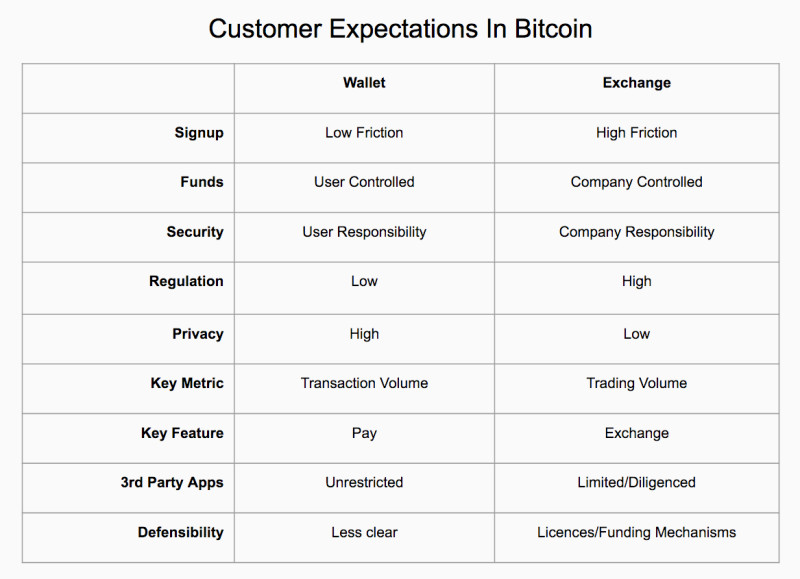
There are two broad kinds of crypto wallets. Custodial means a third party holds your private key. Often that’s an exchange or fintech app. Non-custodial means you alone hold the key, usually from a seed phrase. The second type fits the self-sovereign spirit of blockchain - you are your own bank.
With a custodial wallet you get ease of use and password recovery. But you must trust the provider. If they get hacked, your assets are at risk. A secure crypto wallet app that is non-custodial removes third-party risk. Yet it places the burden of key safety on you. Lose the seed and the loss is final.
I think it’s key to know which type you use. Some big names run custodial services. A PayPal crypto wallet is one such case where they keep the keys. Same with folks asking whether crypto is safe on Robinhood since that platform is custodial too. They may be fine for small plays, but you don’t hold the real key.
Loss or exposure of your seed leads to irreversible loss. That’s a hard truth. No support desk can undo it. So a secure crypto wallet app only helps if you protect that seed. I always check the docs to see who holds the keys before I deposit any coin.
Hot Warm And Cold Wallet Types
Wallets also split by connectivity. Hot wallets stay online. Think mobile apps and web extensions. They’re handy but exposed to malware and phishing. Warm wallets keep keys online but need human action to sign. Cold wallets store keys fully offline on paper or hardware.
I use a hot wallet for small daily spends. It’s like a thin pocket cash clip. But my main stash sits in cold storage. A secure crypto wallet app on your phone is usually hot. That’s fine for pocket change, not for life savings. The slower cold access is a fair price for safety.
Quick wallet type list
- Hot wallet: always online, fast but risky
- Warm wallet: online keys but needs sign confirmation
- Cold wallet: offline paper or hardware, safest
- Non-custodial cold: user holds seed, no third party
The highest protection comes from cold wallets against remote attacks. The cost is slower access. You can’t beat that trade for big holdings. A secure crypto wallet app paired with a hardware device gives both ease and safety. I move only what I need to the hot side each week.
Threats That Target Wallet Apps
The threat landscape is messy. Traditional app attacks mix with blockchain-specific exploits. Malware fake wallet apps log keystrokes or grab clipboard data. Private-key extraction targets the habit of copying long keys. Attackers know people copy paste for ease.
Overlay attacks trick you with a fake UI to enter passwords. 2FA compromise goes after tokens. Deanonymization links your IP to wallet activity. Even supply-chain risks from shared code libraries can hit many wallets at once. A secure crypto wallet app faces all these fronts.
Common wallet threats
- Financial theft via fake wallet malware
- Private-key extraction from clipboard
- 2FA and MFA token compromise
- Overlay UIPatch attacks mimicking real UI
- Deanonymization through public chains
- Supply-chain dependency weaknesses
One sneaky trick is malware that watches your clipboard. People copy long private keys for ease. Attackers swap the address. A secure crypto wallet app should warn about this, but your own care matters. I never copy a seed to clipboard, ever.
if you do not control the private key, you do not truly control the assets
I keep that line in mind. It sums up why threats matter. Even the best app can’t help if a thief gets your key. Control is the whole game in crypto.
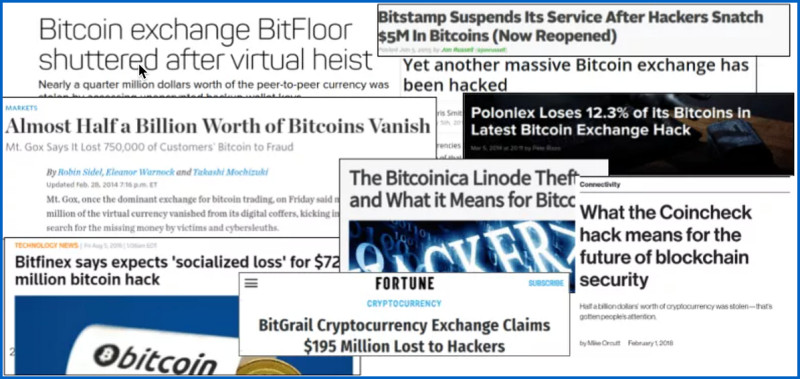
The Mt Gox Loss As A Warning
One infamous incident involved the Tokyo exchange Mt Gox. They lost a huge amount of Bitcoin due to poor key management and weak app security. It showed how a single point of failure in custodial setups can wreck everything. The exact year isn’t needed; it’s a past lesson.
The breach proved that trusting one provider with keys is risky. A secure crypto wallet app that is non-custodial avoids that single point. But you must then guard your own keys. If you drop the seed, no one can bail you out. That’s the flip side of freedom.
I bring this up not to scare you, but to show the scale. When control sits with a third party, you hope they are flawless. They often are not. Self control via a secure crypto wallet app shifts that risk to your hands. Be ready for that weight.
Why Software Alone Won’t Save You
The title says it: a secure crypto wallet app is not enough to keep funds safe. Software can be shielded, obfuscated, and encrypted. Yet user error breaks most security. You might install a fake app or type your seed on a phishing page. That defeats the best code.
Developers do layered defense. App shielding, code obfuscation, mobile data encryption, root detection. But even then, if you skip backups or use SMS 2FA, you’re exposed. The app is a tool, not a magic shield. I learned this the hard way when a friend lost coins to a fake app.
My take: treat the app as one layer. Your habits are the other. A secure crypto wallet app gives you the cockpit, but you still fly the plane. Miss a step and you crash. No corporate team will catch you.
Backing Up Your Seed Phrase
This one’s important, pay attention. Write your seed phrase on paper. Store it in multiple offline spots like safes. Never keep it in plaintext on your phone or computer. A secure crypto wallet app will show it once; capture it right then. Do not delay.
Treat the seed as a memorized secret. Avoid showing it on screen where someone can shoulder-surf. I keep mine in a locked drawer and a bank box. That may sound old school, but it works. Paper survives crashes and hacks.
Treat the seed as a memorized secret
Losing the seed means losing coins forever. No reset button. So a secure crypto wallet app backup habit beats any fancy feature. Do this before you store any real value. I repeat this to anyone new I meet in crypto chats.
Strong Passwords And App 2FA
Use unique high-entropy passwords for wallet apps. Enable password expiration and lockout if the app allows. Biometric like fingerprint helps too, tied to device secure enclave. A secure crypto wallet app should support these. Don’t reuse your email password, please.
For hosted wallets, turn on a strong second factor. TOTP or hardware token beats SMS. Malware now targets SMS and push codes. App-based 2FA is your friend. I always enable it on every wallet I touch. It’s a small step that blocks most remote thieves.
The long description of our topic says enable app-based 2FA. That’s because it closes a big hole. A secure crypto wallet app with good 2FA stops most account takeovers. Skipping it is like leaving your door unlocked.
Hardware Wallets For Big Holdings
Store large holdings on air-gapped hardware wallets like Ledger or Trezor. Move only what you need to hot wallets for daily use. This limits damage if your phone gets malware. A secure crypto wallet app can pair with hardware for offline signing. The key never touches the net.
Ledger Live is a desktop client that works with their hardware. It supports thousands of coins. Download it from the official site to avoid tampered builds. I like that it keeps keys offline while the app watches the portfolio. It feels like a vault with a window.
Hardware cold storage is the gold standard for self custody. It’s a bit slower, but peace of mind is worth it. A secure crypto wallet app plus hardware is a solid combo. I sleep better knowing my savings are offline.
Fake Apps And Phishing Tricks
Attackers spread fake wallet apps that look real. They log keys or intercept clipboard. Verify URLs and official app stores. Don’t click unknown links. A secure crypto wallet app from a weird source is a red flag. I only install from the maker’s site or known store.
Phishing also uses social engineering. Someone pretends to be support and asks your seed. Real support never does that. I’ve seen folks lose funds by trusting a DM. Keep your seed offline and secret. No real admin needs it.
Overlay attacks put a fake screen over the real app. It asks for password or permissions. A good secure crypto wallet app detects overlays, but you should notice odd UI too. Trust your gut. If a screen looks off, close the app.
Picking A Cryptocurrency Wallet App
There are many options. A cryptocurrency wallet app like SafePal supports over ten thousand assets and NFTs. It has built-in exchange and DeFi access. End-to-end encryption keeps data client-side. That is a good baseline for a secure crypto wallet app.
Some wonder if there’s a wallet app for Android . Yes, most of these run on Android. An Edge crypto wallet is another choice some users like for its interface. The right crypto currency app fits your needs and risk level. I test a few before settling.
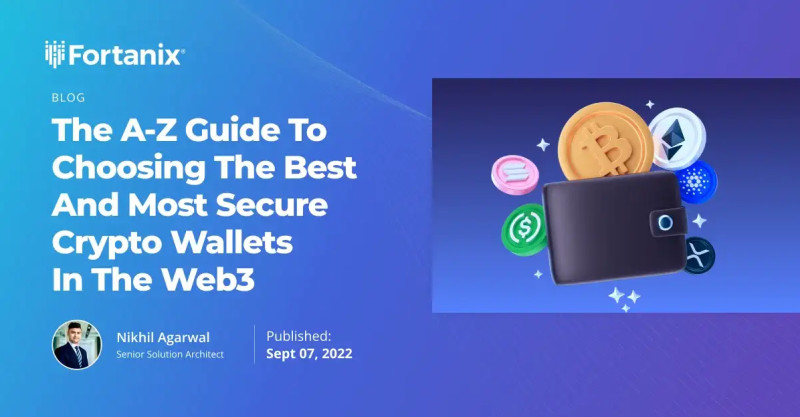
P100 blends traditional finance with self-custody. It offers a Euro account, card, and MPC key splitting. Fortanix adds a warm wallet with confidential computing. Each secure crypto wallet app targets a different risk profile. No one size fits all.
Wallet features to compare
- SafePal: multi-currency, hardware support
- P100: MPC self-custody, fiat interoperability
- Fortanix warm: TEE enclaves, user consent
- Ledger Live: desktop, 5500+ coins, hardware sign
I don’t push one brand. The point is a secure crypto wallet app should match your comfort and value held. Beginners may like all-in-one; pros may want cold signing. Read the docs and know your key custody.
Wallet Code And Library Risks
Even good cryptocurrency wallet code can have weak spots. Large wallets pull in over 1,800 dependencies. A deprecated library like react-native-crypto used weak random generation. That puts many apps at risk without users knowing.
Developers should audit dependency trees and prefer native crypto APIs. Vetted libraries like Themis or libsodium help. For us users, it means keep apps updated. A secure crypto wallet app with regular patches is safer. I set auto update on my devices.
I’m not a coder, but I read that key derivation should use Argon2 or scrypt. PBKDF2 needs many iterations. Encryption modes like AES-GCM are preferred. These details hide inside a secure crypto wallet app. They matter even if unseen.
Safe Networks For Online Crypto Currency
Keeping online crypto currency on a hot wallet means network risk. Use trusted Wi-Fi or cellular. Avoid public Wi-Fi without a VPN. A secure crypto wallet app sends data; make sure it’s encrypted in transit. I never trade on a cafe hotspot.
Web wallets should use TLS 1.3 and content security policy. Sanitize inputs to stop XSS. As a user, you can’t check that, but you can stick to known apps. I avoid strange browser wallets. A secure crypto wallet app with good transport care protects your packets.
Your IP can link to wallet activity on public chains. That’s deanonymization. A VPN helps. A secure crypto wallet app doesn’t hide your IP by itself, so network care is yours. Think before you connect.
Custodial Questions About Robinhood And PayPal
People ask whether crypto is safe on Robinhood and about a PayPal crypto wallet . Both are custodial. They hold keys. You get ease, but you face provider risk like Mt Gox showed. I keep only tiny amounts there.
Some also search how to get money off Trust Wallet . That’s a user task, not a flaw. Trust wallet is non-custodial; you control keys. Moving funds out is a normal transaction. A secure crypto wallet app just signs it. Learn the send flow first.
I mention these because folks confuse custody. If you don’t hold the seed, you don’t own the coin. That’s true for big fintech wallets too. A secure crypto wallet app that is non-custodial changes that. You become the bank, with all its duties.
Android Wallet App Options
If you wonder if there’s a wallet app for Android , the answer is yes. Most secure crypto wallet app builds support Android. Some folks also look for a Google crypto wallet meaning Google Pay, but that is an e-wallet not a true crypto key holder. Don’t mix them up.
Android has extra risks like rooted devices. A good app blocks execution on rooted phones. It detects custom keyboards that log keys. I enable those protections in my secure crypto wallet app settings. It’s a must on open platforms.
Whether you use Android or iOS, the rules stay: back up seed, strong password, app 2FA. The platform changes, the basics don’t. A secure crypto wallet app is only as strong as your routine.
How Developers Harden The App
Behind a secure crypto wallet app there is layered defense. Developers add app shielding with anti-debugging and tamper checks. They validate checksums to detect binary modifications. This stops attackers from patching the app. I appreciate that quiet work.
Code obfuscation makes reverse engineering harder. Mobile data encryption uses AES-256 for data at rest in the app sandbox. Jailbreak and root detection block execution on compromised devices. A secure crypto wallet app should do these by default. It’s the floor, not the ceiling.
Developer security building blocks
- App shielding: anti-debug, anti-tamper, checksum
- Code obfuscation to hide logic
- Mobile data encryption with AES-256
- Jailbreak and root detection blocks
- Secure communications with certificate pinning
- Keylogger prevention via approved keyboards
- Overlay attack detection and blocking
- Frida toolkit and ADB blocking
I’m not coding this myself, but I like knowing the basics. When a secure crypto wallet app includes these, my job as user gets easier. Still, their work doesn’t replace my seed care. We share the load.
Key Derivation And Encryption Modes
Crypto math matters inside a secure crypto wallet app. Key derivation functions should be memory-hard like Argon2 or scrypt. If PBKDF2 is used, at least 310,000 iterations per NIST. Per-key salts and unique nonces are a must. Reusing IVs is a bad mistake.
Encryption modes favor authenticated ones like AES-GCM or ChaCha20-Poly1305. Raw AES-CBC needs a HMAC for integrity. Hash functions for signatures: RSA, ECDSA, SHA-256. Avoid MD5 and SHA-1. A secure crypto wallet app hides this from you, but it’s the floor of trust.
Memory hardening clears sensitive data after use. Platform secure storage like iOS Keychain holds keys. I trust apps that follow these. It shows they respect the craft. A secure crypto wallet app without solid crypto is just a pretty risk.
My Simple Safety Steps List
Let’s pull the user habits together. Master these and you’ll manage assets with confidence. A secure crypto wallet app is only as good as the person using it. I keep this list pinned in my notes. It’s the methodology from the source, no dev skills needed.
User safety steps
- Write seed on paper, store offline in multiple spots
- Use unique strong passwords and biometrics
- Enable app-based 2FA, avoid SMS
- Use hardware cold storage for large sums
- Keep OS and wallet app updated
- Avoid public Wi-Fi without VPN
- Verify URLs and never share seed
- Grant wallet only needed permissions
That’s the core. A secure crypto wallet app plus these steps keeps you safe from costly errors. I follow them daily. They become habit, not chore.
Assets cannot be moved without explicit user consent
That’s from a warm wallet design, but it applies to your mind too. Don’t consent to silly risks. Stay sharp. A secure crypto wallet app is a tool; you hold the final say.










Comments on “Why a Secure Crypto Wallet App Alone Won’t Keep Your Funds Safe”
No comments yet. Be the first to share your thoughts.