
What Makes Crypto Go Up
Let me know if this sounds familiar: you watch crypto prices jump and crash hard. The core reason is simple - value comes from what people will pay. No government backs most coins. The open market sets the price. I’ve found it helps to step back and see the few forces that repeat.
When I look at the market, I see a few repeatable forces. Scarcity, use, trust, mood, news, and big money flows all play a part. This post walks through each in plain language. My goal is to help you read the swings clearly, not to pitch any coin. What makes crypto go up is mostly about more people wanting a limited thing at the same time.
I’m writing this as someone who got tired of loud headlines. The market isn’t magic. It’s a bunch of humans with wallets. Strip away the jargon, and the moves start to make sense. So let’s go slow and unpack the system.
What Gives Crypto Its Value
So what gives cryptocurrency value at all? Unlike cash from a bank, most crypto is decentralized. No single entity controls it. The price is set by open market trade. A token is worth what someone will pay for it. That sounds circular, but it boils down to trust and need.
I like to break value into three legs: scarcity, utility, and trust. If a coin has all three, it tends to hold worth. If it lacks them, price can vanish quickly. This is what makes crypto go up when more people show up wanting it - and what makes it go down when they leave.
The key difference: no central bank can print more to fix things. That means market-driven value, which is raw but volatile. I keep that in mind before every trade. A coin with no backing except hope can drop to zero. A coin with real use and rare supply can stay strong for years. The open market is the boss.
Scarcity And Limited Supply
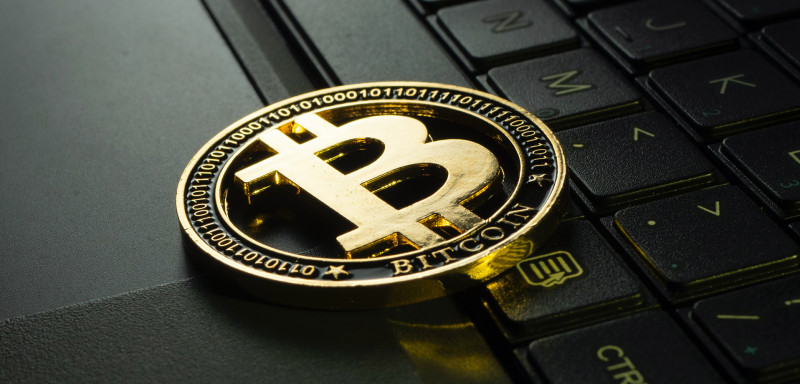
Many coins are built to be rare. Bitcoin is the big example. It has a hard cap of 21 million coins ever. New BTC comes out on a slow schedule that halves over time. That makes it like gold. When something is rare and people want it, price tends to climb.
Some projects burn tokens or cut supply. Ethereum burns fees at times, making it partly deflationary. Scarcity alone doesn’t mean high value, but if a coin is useful and rare, folks want it. I keep an eye on supply mechanics because they matter for price. Other coins have declining emissions or token burns built in. The slow release of new coins shapes the market.
Ways Supply Is Limited
- Hard cap (like Bitcoin’s 21M)
- Burning tokens to remove them
- Slow release schedule with halvings
- Declining emissions over time
Scarcity alone won’t guarantee high value. But pair a crypto asset with real utility and scarcity, and it becomes highly sought-after.

Look at small tokens and you’ll see many have huge supply. That drags price down. The open market rewards rare, useful coins. So when I check a new token, first thing I ask is how many will ever exist. If supply is endless, I walk away. The halving event cuts miner reward in half about every four years, which slows new coin flow and often sparks talks of bull runs.
A simple way to see this: imagine a ticket to a small show versus a ticket to a huge stadium. The small show ticket is scarce, so it can cost more if people want in. Crypto works the same. I remind myself that scarce plus wanted equals upward push.
Utility And Real Use
Utility means what you can do with the coin. If a token powers a network or app, it has demand. Ethereum’s ETH is needed to pay for transactions and run apps. Many altcoins give voting rights or fee cuts. The simple question: what problem does this project solve?
The more a crypto is used for real tasks like payments or gaming, the more baseline demand. Strong use and growing adoption tend to increase value. On the flip side, a project with no clear use is pure spec. Its value can evaporate. I care about real users, not just hype. DeFi tokens provide yield or discounts. Governance tokens let holders vote on changes.
If a project has no clear utility or active users, its value can evaporate quickly.
In the long run, usefulness supports value like earnings support a stock. I look for product/market fit. People use crypto products because they work, not because of ideology. That real use is a solid floor for price. When a network hosts thousands of apps, the token tied to it gets steady demand from folks who just want to build or play.
Think of a token as a ticket that also opens a door. If the door leads to a busy shop, the ticket keeps value. If the shop is empty, the ticket is just paper. That plain view helps me sort real coins from noise.
Trust And Network Effect
Value is backed by trust in the network. Traders pay more for coins they see as secure and well run. Bitcoin benefits from network effect: millions of users and miners secure it. It’s the oldest and most tested. That trust adds to perceived value.
A strong dev team and active community help. But bad news hurts: a hack or outage can collapse trust overnight. A major exploit can make price plummet as users flee. So intangible stuff like community trust plays a big role in sustaining crypto value. I watch for news of breaches. A chain that suffers a big theft loses more than coins; it loses face.
What Builds Trust
- Long track record of security
- Many users and miners
- Active dev team
- Clear community support
Bitcoin is often called digital gold because of this trust. Ethereum has built rep for reliability. When trust breaks, even good tech loses value fast. I rate trust as high as code quality. You can have a fast chain, but if folks fear it, they won’t hold the token.
The network effect is real: the more people use a coin, the harder it is to replace. New coins must fight that gravity. This is why old coins keep lead even when new tech appears.
Investor Mood And Hype
Crypto markets ride on emotion. In bull times, positive mood and FOMO send prices soaring. In bear times, fear crushes prices even if fundamentals stay same. Social media amps this up. A single tweet can spark buying or panic sell.
Speculation often beats fundamentals short term. Hype cycles where price shoots up because people expect rise. When mood is bearish, even strong projects tumble. I watch the Crypto Fear & Greed Index as a gauge. Extreme greed may signal a dip coming; extreme fear may signal bottom. Emotion often outweighs logic. The 24/7 news cycle never sleeps, so mood swings fast.
Emotion often outweighs logic, causing prices to overshoot.
Even meme coins with little use have surged on pure mood. That tells me sentiment is a huge lever in what makes crypto go up. But it can flip without warning. I try to step back when my own heart races. The crowd can be right for a while, then wrong in a day.
One thing I’ve learned: when everyone screams buy, I get quiet. When everyone cries, I look for value. It’s not easy, but it keeps me sane.
News And Media Moves
News moves prices fast. Good news like a big company adopting crypto drives price up. Bad news like hacks or crackdowns sends it down. For example, when a car company added BTC to its balance sheet, price jumped. When it reversed on enviro concerns, price dropped a bit.
After the first US bitcoin ETF got approved, price surged to a new high. When a large country banned mining, price tumbled about 30% in weeks. And when a government announced a strategic bitcoin reserve, price went from 80k to 95k overnight. Crypto is global and 24/7, so news from anywhere hits. A rumor can move markets before facts land.
The phrase “buy the rumor, sell the news” fits well. Before you act, check current crypto prices on a plain site. A SEI price forecast may pop up in your feed, but news is the real mover. I always verify headlines before trading. A fake story can cause a quick dip that recovers soon after.
Media covers big coins more than small ones. That means Bitcoin reacts to headlines like a public company. Small coins react to niche blogs. Know your source. I keep a small list of sites I trust and ignore the rest when price spikes.
Supply And Demand Basics
Prices rise when demand beats supply, fall when supply beats demand. Demand side: user growth, trade volume, big buyers. Supply side: miners selling, new tokens unlocking, whales dumping. Bitcoin’s halving every four years cuts new supply and has helped bull runs.
If same or more people want Bitcoin but fewer new coins appear, they bid price up. A big ICO release can crash price by sudden supply. Understanding a coin’s supply mechanics is key. Is it inflationary or deflationary? Are there big unlocks? I always check that. Demand growing faster than supply equals price growth. This plain rule is the engine of every chart.
Supply Demand Factors
- User growth boosts demand
- Miner selling adds supply
- Token unlocks flood market
- Halving reduces new coins
Vesting unlocks can cause influx of tokens. Ownership concentration matters too. If few hold most coins, they can dump. This basic econ is what makes crypto go up when buyers outweigh sellers. I draw simple lines: more buyers than sellers equals green candle. More sellers than buyers equals red candle. All the fancy terms sit on top of that.
When a project releases a huge pile of tokens at once, price can sink before the team finishes the blog post. I avoid those dates. A calendar of unlocks is a tool I use more than any indicator.
Big Picture Money Trends
Crypto is a risk asset. It tracks broad market mood. When stocks do well, investors speculate. When fear hits, they pull back. High inflation makes some turn to Bitcoin as hedge. When central banks hike rates, borrowing costs more and safe assets look better. Bitcoin lost over 75% in one such rate hike period.
Economic growth and stock gains push extra capital to crypto. Recessions hurt. Global events like wars or pandemics can boost crypto as currency crisis or hurt via flight to cash. I see crypto as a parallel layer of economy with different physics. Blockchain blockspace is new real estate. Apps are businesses on top, tokens standardize them. Money flows where the yield or story looks better.
Crypto is faster and more efficient on many tangible vectors: instant settlement, cost, and is borderless.
During a pandemic panic, Bitcoin crashed with stocks then recovered with stimulus. That shows it is tied to big money flows. Keep an eye on macro, not just crypto charts. If the stock market bleeds, crypto often bleeds too, at least at first. I check the big index before I check my coin app.
The inflation story is tricky. Some years people rush to Bitcoin as shield. Other years the shield looks weak. I treat it as one factor, not gospel. The macro wind pushes the boat, but the crypto paddles still matter.
Rules From Governments
Regulation is a wildcard. Clear support is bullish; crackdowns bearish. Favorable moves: legalizing trade, approving ETFs, banking integration. Restrictive: bans, tax hikes, lawsuits. Even talk moves markets via FUD. Not all coins treated same; Bitcoin often seen as commodity.
Global coordination differs. Large economies influence price. Clarity beats uncertainty every time. I get nervous when lawmakers just hint at new rules. The market hates not knowing. A single tweet from a regulator can sink price. But clear law can bring big funds in, and that lifts the whole space.
Regulatory Effects
- ETF approval lifts price
- Mining bans cause sell-off
- Tax changes create fear
- Legal clarity helps adoption
Some tokens get called unregistered securities. Lawsuits set precedents. This weird mix is part of what makes crypto go up or down on a headline. I read legal news slow, because the first scream is often wrong. A calm reading of the actual text saves me from bad trades.
Different countries act different. One place bans, another welcomes. That split keeps a floor under global price, since money moves to friendly shores. The map matters as much as the code.
Competition And Money Flow
Thousands of coins compete for dollars. Money rotates between sectors. DeFi boom pulled funds to ETH. NFT craze pulled elsewhere. New blockchain buzz draws from older. After Bitcoin surges, traders rotate to altcoins, then back.
Bitcoin dominance shows this. It was over 80% of market value in early years, later around 50-60% as others grabbed share. Watching dominance tells you rotation. I scan the top 15 cryptocurrencies to see who leads. Some hunt best low price crypto to buy now for cheap entry.

Folks ask what crypto is most likely to explode . That’s a flip of money flow. A cryptocurrency coin list helps track names. A crypto coin list is handy for rotation watch. I use these to see where attention goes. When money leaves Bitcoin, it often lands in a few hot altcoins before coming back.
The space has well over twenty thousand coins. Most will fade. The money flow is a tide that lifts a few and leaves the rest dry. I watch the top names because they set the mood for the rest. If the big caps bleed, small caps usually bleed more.
Whales And Thin Markets
Large players called whales hold huge amounts. Their moves sway price. Small altcoins have thin order books, so less money moves them. Manipulation like pump-and-dumps happens. Whales can dump and crash price, or buy and spike it.
Leverage adds fuel. If price dips, leveraged longs get liquidated, pushing down more. Short squeezes push up. Exchanges show liquidation data. My tip: avoid illiquid thin books and use risk control. The lowest market cap crypto is most at risk here. A single big sell can empty the buy side.
Whales can dump and crash price - or buy and spike it.
Crypto markets less liquid overall, especially tiny coins. Billions can wipe in a volatile day. I stick to coins with real volume to avoid getting stuck. When order book is thin, a modest trade acts like a boulder in a pond. The splash hits everyone. I size down when I see shallow books.
Wash trading and fake volume hide the truth on some sites. I cross-check with on-chain data. If the chain shows little movement but the price pumps, I stay out. Whales love to trap newcomers.
Why Bitcoin Costs So Much
Bitcoin often trades at tens of thousands per coin. “Expensive” is relative: only 21M supply, so price per unit high. Market cap (price times supply) shows true size. Bitcoin is costly because its market cap is largest divided by few coins.
Reasons: scarcity vs fiat printing, first-mover network, most secure chain, seen as store of value, global brand. It’s divisible to tiny bits, so you can buy fraction. High unit price is a mental block for some. I think of it as digital gold. It is the reserve asset of crypto. New money comes to Bitcoin first, then spreads out.
Why BTC Price High
- Hard cap 21M scarcity
- First mover and network
- Most secure blockchain
- Brand as digital gold
Institutional demand adds to price. New investors pick it first. That cycle keeps its lead. But don’t let high sticker price scare you from owning a piece. You can buy five dollars worth. The unit price is just a number, not a wall. I explain this to friends who think they missed the boat.
Bitcoin’s security comes from huge mining power. That makes attacks costly. This trust feeds the price. A coin with same code but no miners would cost far less. So the physical network behind the number matters.
Overbought Or Oversold Signals
Yes, coins can be overbought or oversold like stocks. Technical indicators help. RSI above 70 means overbought, below 30 oversold. Stochastic oscillator similar ranges. Bollinger Bands show near upper or lower band.
These are not foolproof. Use with on-chain data, news, and risk sense. Overbought doesn’t guarantee drop. I use them as one tool, not gospel. Knowing this helps me stay calm when price flies. Monitoring on-chain metrics can spot rising interest. Social buzz hints mood shifts.
These aren’t foolproof; use with on-chain data, news, and risk management.
Technical lines give a frame, not a promise. I have seen RSI stay above 70 for weeks in a mad bull run. And oversold can get more oversold. So I pair charts with the forces we talked about. A coin can be “too high” by math yet still climb on news. Humility beats cleverness here.
If you are new, learn the basics of support and resistance first. Those simple lines show where buyers stepped in before. They are more useful than fancy oscillators for most folks.
Risk And Allocation Thoughts
How much to put in crypto? One investor says about 5% of net worth across vehicles. A conservative person might do 3%, retiree 0%. True believers might hold 10-20%. Another shared he keeps 2% because it’s sweet spot for volatility and weak stock correlation.
He rebalances when crypto hits thresholds, moves gains to stocks. If crypto went to zero, his portfolio still meets goal. I think small allocation is wise for most. BlackRock’s Larry Fink recommends small slice. Some readers argue bitcoin is speculative, others call it digital gold. Both can be true at once: it is a bet with real adoption.
Sample Allocation Ideas
- Young aggressive: 10% net worth
- Sophisticated: 5%
- Average conservative: 3%
- Retiree: 0%
One reader noted best allocation may be based on future needs, not current net worth. Another suggests if crypto exceeds target, take a third to cash, a third long-term, trade middle on events. Being on sideline is a position too. I like the idea of rules set before the fever hits. When price is calm, I decide my lines. When price is wild, I follow them.
The key is sleep at night. If a 20% drop ruins your week, you hold too much. Curve the size until the swings feel like noise. That is the boring truth behind all the hype.
How The Crypto Market Works
If you wonder how the crypto market works , it’s a 24/7 global trade with no central boss. Price comes from matching buy and sell orders on exchanges. Big funds, whales, and retail all meet there. No Fed sets rates for it.
Blockspace is the new real estate, apps are businesses on top, tokens standardize them. Centralized apps like Coinbase or Binance run lots of trade. Even top tokens may not be decentralized. I find it helpful to see crypto as a parallel economy layer. This view explains many price moves. The chain records truth, but the front end is often a normal company.
The internet was always going to generate native finance. Blockchain is purpose built for it. That context is key to what makes crypto go up as more users join. When a new app hits product/market fit, money follows the token. It is not magic, just adoption with a ledger.
Exchanges match orders like a flea market that never closes. Price is the last done deal. If you place a buy above all sells, you eat the book and push price up. That simple mechanic sits under every chart pattern you see.
Handling Crypto Price Swings
Staying cool with volatility takes plan. Do your own research on fundamentals, team, adoption. Size positions so you can lose without ruin. Use stop losses and take profits. Diversify across assets and sectors.
Stay informed but filter noise. Control emotions; discipline beats brilliance. Learn basic technical analysis like support and resistance. Dollar-cost average if investing. Use good platforms with real order books. Some folks read Mark Yusko’s crypto predictions for outside views, but trust your own read. I skim others’ takes, then act on my rules.
Ways To Stay Calm
- Research the fundamentals
- Size positions small
- Use stop losses
- Diversify holdings
Control emotions; discipline beats brilliance.
Automatic tracking tools help rebalance. If crypto exceeds target, convert some to stocks. Avoid emotional decisions. This is the part I beg you not to skip. The market will test your nerve. A written plan is the only thing that stands between you and a dumb click. I keep mine on a note by my screen.
Volatility is not the enemy; bad size is. If you can survive a 50% drawdown without selling, you can use the swings. If you can’t, shrink until you can. That’s the whole game.
Reading The Swings Clear
What makes crypto go up and down is no mystery once you see the forces. No single entity controls value. It’s a mix of market forces and human mind. Understanding why prices move helps you react calmly, not panic.
I keep this post as my plain notes. Scarcity, use, trust, mood, news, supply, macro, rules, competition, whales. That’s the recipe. Next time price swings, I hope you see the cause. And hey, don’t skip the part about risk control. The market will still be here tomorrow. Your job is to be here too, with capital and clear head.
When a coin doubles in a week, I ask which force moved it. Was it a supply cut, a news spark, or just mood? If I can name it, I can decide. If I can’t, I wait. That habit turned my trades from guesses to reads. I still get it wrong, but less often. And that’s enough in a wild market.








Comments on “What Makes Crypto Go Up (and Down): The Hidden Forces Behind Volatility”
No comments yet. Be the first to share your thoughts.